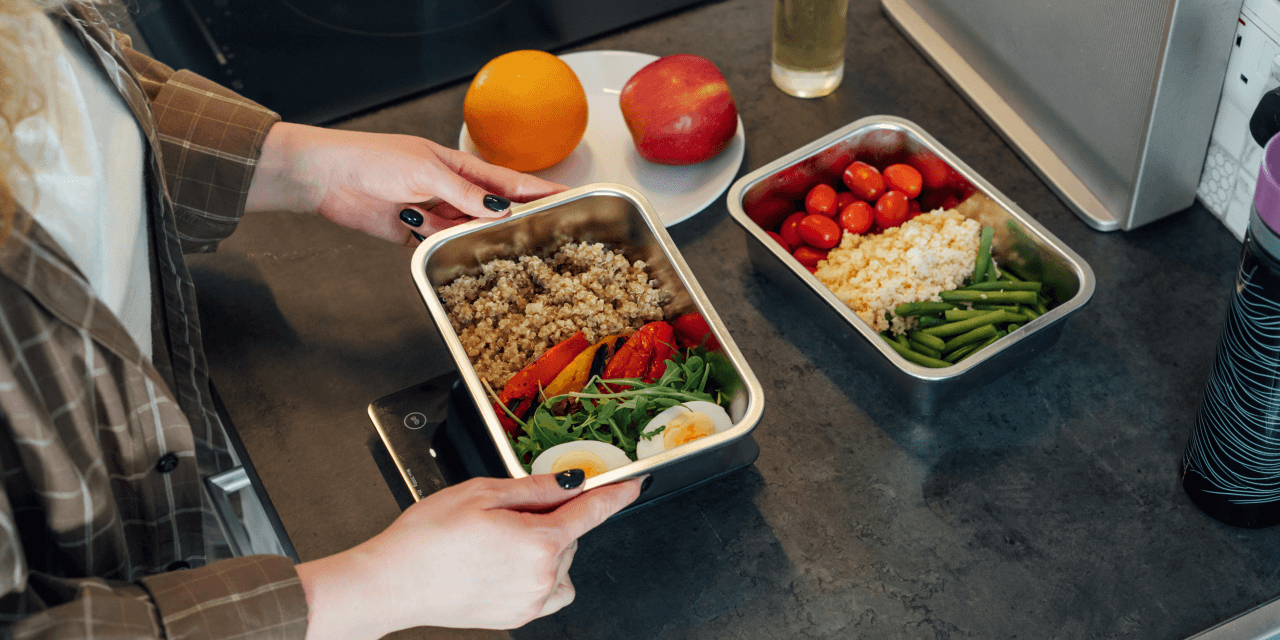
What are the best foods for weight loss?
Written by:

03 Aug 2026 • 12 min read
Reviewed and fact-checked:
.png&w=3840&q=75)
The best foods for weight loss are those that help you feel fuller for longer, support a calorie deficit, and provide steady energy throughout the day. Contrary to popular belief, successful weight loss isn’t about one “superfood” or cutting out entire food groups. Rather, the key is in making balanced, nourishing meals a natural part of your diet.
In this guide, we’ll break down key food groups, as well as how certain foods can support your body and appetite. We’ll also share simple ways to fit them into your everyday life with practical recipes. Wherever you are on your journey, implementing these foods int your diet can help make weight loss feel more achievable.
Key points
- High-protein foods like chicken, salmon, and tofu help you feel fuller for longer.
- Berries, broccoli, and chickpeas are all fibre-rich foods that support digestion and help reduce overeating.
- Carbohydrates like oats, brown rice, and potatoes can still support weight loss when eaten in moderation alongside a balanced diet.
The main food groups for weight loss
When it comes to losing weight, no single food group has all the answers. Generally speaking, protein and fibre can both help keep you fuller for longer, while slow-release carbohydrates provide steady, sustainable energy. We’ll have a look at all of these, alongside the much-contested MCT foods to understand what the evidence says about their role in weight loss.
By understanding how each food group works and how it can support your goals, you'll be in a much better position to build meals that are both nutritious and satisfying. Now, let's break down each food group in more detail.
Protein for weight loss
How does protein help with weight loss?
Protein is one of the best nutrients for weight loss because it helps in muscle mass maintenance, alongside an overall feeling of satiation, which makes it easier to manage portion sizes.
According to the NHS, a balanced diet that includes protein supports overall health and weight management.
When you eat enough protein:
- you feel fuller for longer
- you’re less likely to overeat
- your body maintains muscle while losing fat
This makes protein a key part of sustainable weight loss.
High-protein foods for weight loss
Steak for weight loss
With 25-31g of protein per 100g, beef steak is one of the most protein-packed meats.
It's also high in iron, an essential nutrient that helps transport oxygen around the body. This, in turn, helps you maintain good energy levels and improve exercise performance – both important in helping you lose weight and feeling better day-to-day.
Including steak occasionally as part of a varied diet can support satiety without overdoing calorie intake. However, note that portion size and cooking method matter. Choosing lean cuts and avoiding excess oil or butter can help keep calories down.
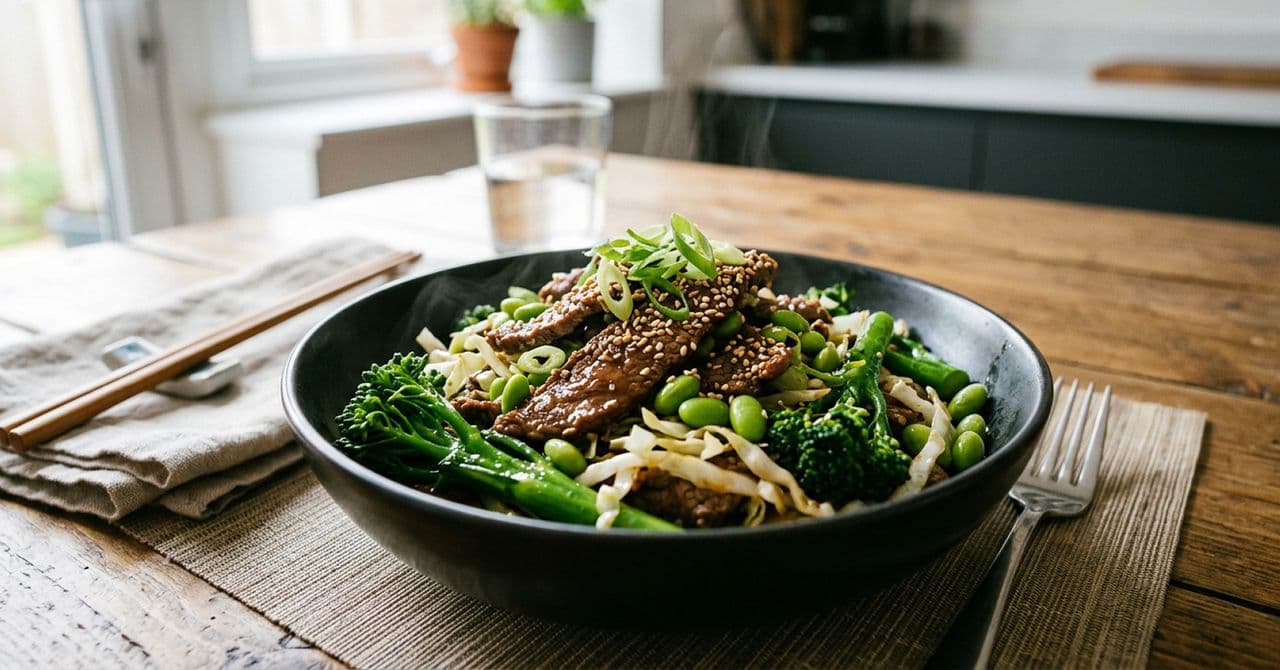
For a delicious way to make the best out of lean beef, try our beef and broccoli protein bowl recipe. It pairs tender strips of beef with hearty wholegrains and crisp veggies for a balanced, nourishing meal.
Is salmon good for weight loss?
Yes, salmon can support weight loss. It provides high-quality protein along with healthy fats, which help you stay satisfied after eating, reducing cravings later. Even more, the NHS recommends eating oily fish like salmon as part of a balanced diet, as it contains omega-3 fatty acids that support overall health, including skin, heart and brain health. It also has anti-inflammatory properties that can help with joint and muscle repair, while sustaining your immunity.
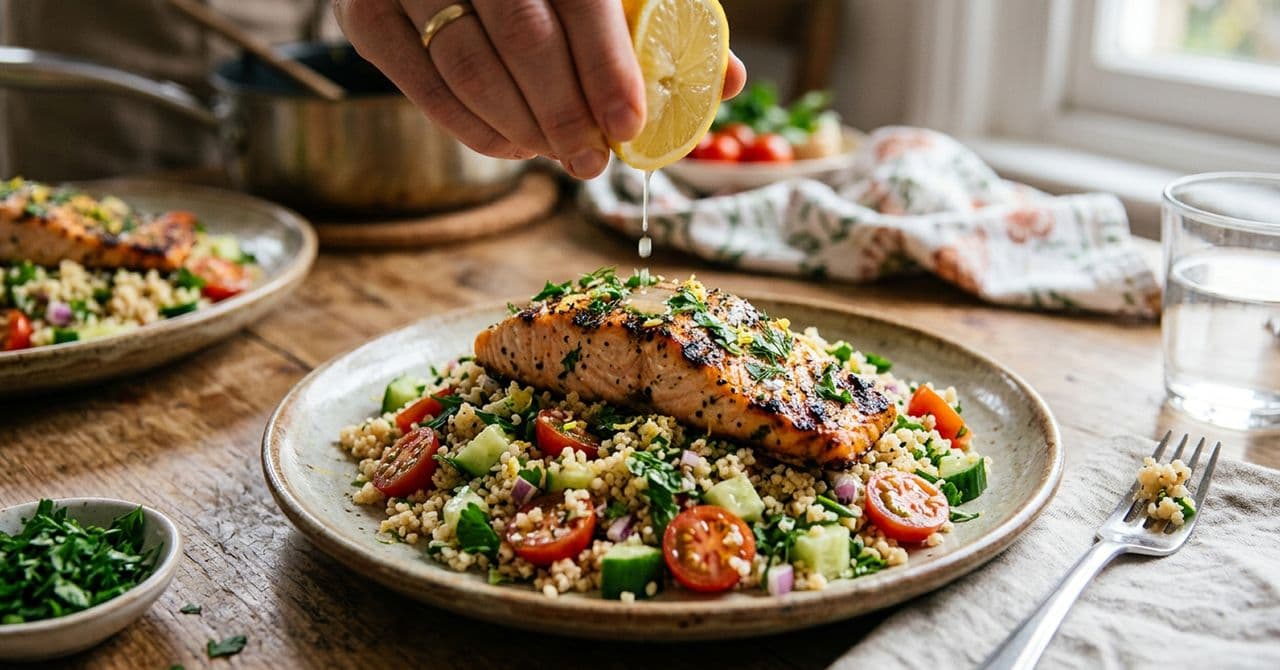
Try our grilled lemon and herb salmon with cous cous for a fresh dinner, best served on a warm summer evening. Rich in protein and healthy fats, it’s the kind of meal that will make it easy to stay on track without feeling like you’re missing out.
Chicken for weight loss
Chicken is a lean and versatile protein that’s easy to include in meals. Grilled, baked, or roasted chicken can provide protein without excess calories, with 100g of chicken breast containing approximately 120 calories and 30-31g of protein.
It’s often used as a staple because it’s filling, adaptable to different meals, easily accessible, and affordable when compared to protein sources like salmon and steak.
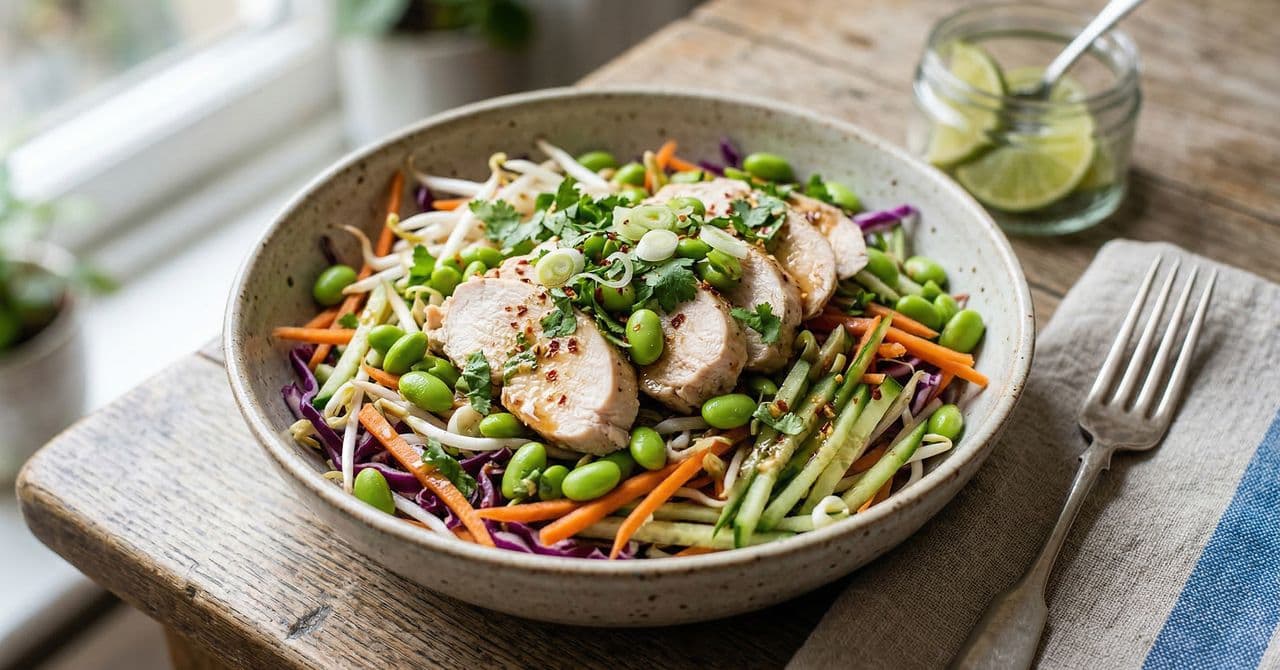
With 38g of protein for only 355 kcal, our Thai-style chicken and rainbow vegetable bowl is a stunning, flavour-packed meal that delivers everything your body needs in one beautiful dish.
Is tuna good for weight loss?
Tuna is high in protein and relatively low in calories, making it a practical option for weight loss.
It’s easy to add to salads, sandwiches, or simple meals, helping you stay full without increasing your calorie intake significantly. Like salmon and many other fish, tuna contains healthy fats, which support other things like healthy brain function.
How do beans help with weight loss?
Beans, pulses, and legumes provide both protein and fibre, which makes them a good option for weight loss as they help you stay fuller for longer. They’re a really versatile option that can be dried or pre-cooked. They are also affordable and low in fat.
This combination of protein and fibre helps you feel satisfied and supports digestion, making it easier to manage portion sizes and reduce snacking.
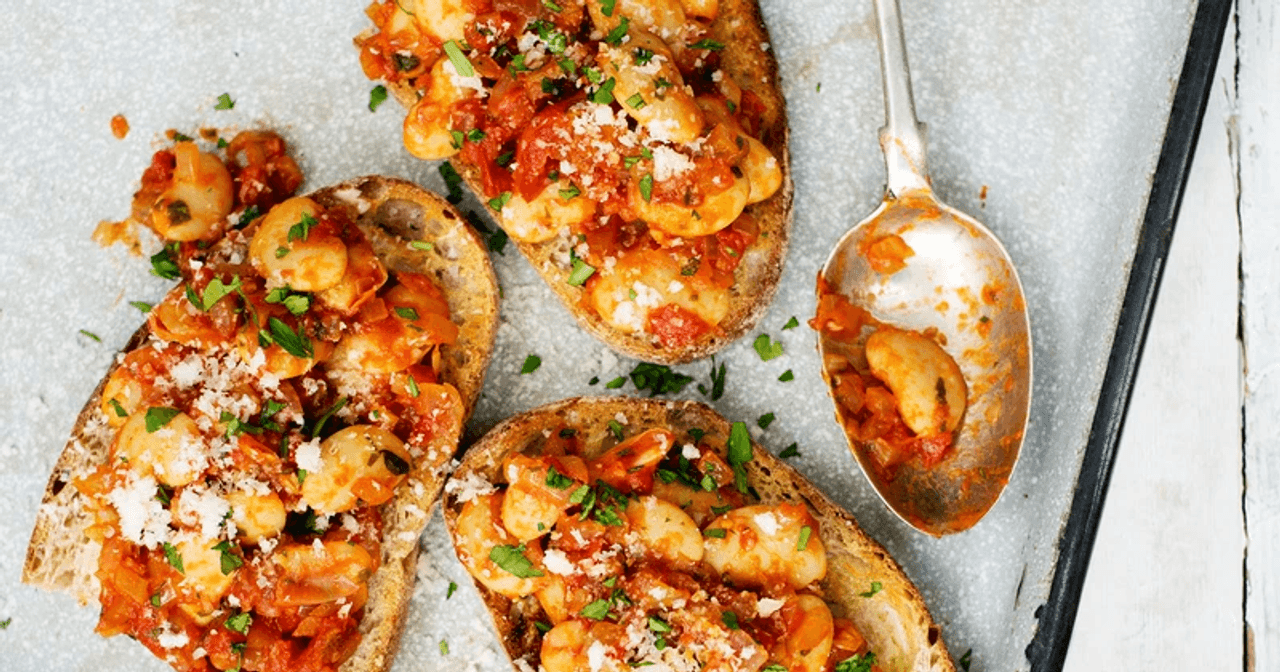
To see just how versatile beans can be, try our healthy homemade smoky beans on toast. It's a simple, affordable recipe that can help you stay fuller for longer while enjoying all the warmth and flavour of a classic favourite.
Does tofu reduce fat?
Tofu does not directly reduce body fat, but it can support weight loss as part of a balanced diet.
As a plant-based protein, tofu provides a filling, lower-calorie alternative to some animal products. It can be especially useful for those following a plant-based diet. Like chicken, it's very versatile, can be seasoned in many ways, is low in fat, and affordable.
Fibre for weight loss
How does fibre aid weight loss?
Fibre plays a key role in weight loss by supporting fullness and digestion. It slows down how quickly food moves through your system, helping you feel satisfied after meals.
According to the British Heart Foundation, eating plenty of fibre is associated with a lower risk of heart disease, stroke, type 2 diabetes, and bowel cancer. In fact, due to its health properties, the NHS recommends 30g of fibre per day for the average adult.
Examples of fibre-rich foods
You can find fibre in a range of foods, from legumes and wholegrains to fruits and vegetables. It's important to get fibre from a variety of sources, as eating too much of one type of food may not provide you with a healthy, balanced diet.
- Pulses and legumes: Lentils, chickpeas, baked beans, kidney beans, and split peas are excellent fibre sources.
- Wholegrains: Wholewheat pasta, brown rice, quinoa, oats, barley, and wholemeal bread and crackers.
- Vegetables: Broccoli, carrots, Brussels sprouts, sweet potatoes (with skin), parsnips, and green leafy vegetables like kale and spinach.
- Fruits: Raspberries, blackberries, pears (with skin), apples (with skin), bananas, and dried fruits like apricots, dates, and sultanas.
- Nuts and seeds: Chia seeds, flaxseeds, almonds, and walnuts
Including these foods regularly can help make meals more filling without adding excessive calories.
Carbohydrates for weight loss
How do carbs aid weight loss?
Often misunderstood, carbs can play an important role in weight loss when included in moderation. The key is choosing the right types of carbs and managing portion sizes.
Opting for slow-releasing, complex carbohydrates like wholewheat bread and pasta, legumes, and starchy vegetables like sweet potato, will help you feel more satisfied long after your meals.
High-fibre, unprocessed carbohydrates also support weight loss by providing sustained energy, improving workout performance, and increasing satiety. Vegetables, wholegrains, and legumes, for example, help prevent overeating, better regulate blood sugar levels, and support a healthy gut.
Brown bread and rice for weight loss
Wholegrain options like brown bread and brown rice contain more fibre than their refined alternatives. This helps with satiety and supports steady energy levels.
Wholegrains also have the added benefit of being higher in essential vitamins and minerals, which is vital for supporting and regulating important bodily functions.
How do oats aid weight loss?
Oats are high in fibre, particularly beta-glucan, which helps you feel full for longer. They’re easy to cook, affordable, and widely available, making them a good addition to a well-balanced diet and for sustainable weight loss.
This makes them a popular breakfast choice for those trying to manage their weight.
Fruit and vegetables for weight loss
Fruit and vegetables are naturally lower in calories while being rich in nutrients and fibre. This makes them an important part of any weight loss journey.
Eating a variety of fruits and vegetables likely ensures you’re getting a wide range of nutrients while keeping you full.
They can also help reduce a reliance on more calorie-dense foods, making it easier to maintain a calorie deficit.
Are grapes good for weight loss?
Grapes provide natural sweetness and can help satisfy cravings without relying on processed snacks. Like all foods, they’re best enjoyed in the appropriate portion size.
MCT foods for weight loss
MCT foods are sometimes linked to weight loss, but it’s important to take a balanced approach. They can support energy use, but they’re not essential or a quick fix.
What does MCT food mean?
MCT stands for medium-chain triglycerides, a type of fat that's processed differently by the body compared to other fats. Unlike most dietary fats, which take a longer route through the digestive system, MCTs are absorbed more quickly and transported directly to the liver, where they can be used as a source of energy.
How do MCT foods support weight loss?
MCT foods are often associated with benefits such as increased satiety, improved energy levels and a small boost in calorie expenditure. This small boost has been the driver of many miraculous weight loss claims. However, its effect is modest at best.
But while MCT foods aren’t a magic solution for weight loss, they may play a supportive role as part of a balanced, calorie-controlled diet.
What are some examples of MCT foods?
Common sources of MCTs include:
- coconut oil
- palm kernel oil
- dairy products
- ghee
How to incorporate these foods into your diet
MCT foods can be included in small, practical ways.
For example, you might:
- use a small amount of coconut oil in cooking
- add dairy products as part of balanced meals
- focus on variety rather than relying on one ingredient
MCTs may support weight loss, mental focus, and ketosis. However, common side effects people can experience include diarrhoea or vomiting. Balance matters more than any single food choice.
Putting it all together
As we’ve established, weight loss isn’t about cutting out entire food groups. It’s about building balanced meals that support your body and your routine.
A simple way to structure meals is to combine:
- protein (chicken, fish, tofu)
- fibre (vegetables, beans)
- carbohydrates (whole grains, oats)
For example:
- grilled chicken with brown rice and vegetables
- salmon with roasted vegetables and potatoes
- chickpea salad with mixed vegetables
Small, consistent choices like these can make a meaningful difference over time.
If you need extra support tackling nutrition as part of your weight loss treatment, a BMI calculator can help keep things on track.
Safety: when to seek support
While focusing on food choices is important, weight loss should always be approached safely. According to NICE, a combination of available treatment plans and lifestyle changes helps to ensure that weight loss is safe and sustainable in the long-term.
Speak to a healthcare professional if you:
- experience rapid or unexplained weight loss
- feel constantly fatigued or unwell
- have a history of disordered eating
- are unsure what approach is right for you
According to the NHS, safe weight loss should be gradual and sustainable.
Frequently asked questions about diet and weight loss
What foods help you lose weight fastest?
No single food causes rapid weight loss. A combination of balanced eating, portion control, and consistency is what leads to sustainable results.
Is protein or fibre more important for weight loss?
Both are important. Protein helps with fullness and muscle maintenance, while fibre supports digestion and satiety.
Can you eat carbs and still lose weight?
Yes, carbohydrates can be part of a balanced diet. Choosing wholegrain options and managing portions is key.
What foods should I avoid for weight loss?
Rather than avoiding specific foods completely, it’s better to limit highly processed, high-sugar, and high-fat foods. Focusing on moderation, rather than restriction, helps support long-term weight loss goals.
Do certain foods burn fat?
No foods directly burn fat. Weight loss happens when you create a calorie deficit over time.
Sources
- Managing your weight (date not known) NHS [Accessed 29 July 2026]
- The Eat Well Guide (date not known) NHS [Accessed 29 July 2026]
- High fibre foods: how much fibre should you eat per day? (2026) British Heart Foundation. [Accessed 29 July 2026]
- Overweight and obesity management (2025) NICE. [Accessed 29 July 2026]
- MCT Oil Benefits for Weight Loss, Metabolism, and Fat Burning (2026) News Medical. [Accessed 29 July 2026]
- What are some slow-release carbs? (2025) Medical News Today. [Accessed 29 July 2026]
- Does Iron Help With Weight Loss? (2026) Biology Insights. [Accessed 30 July 2026]
- How to get more fibre into your diet. (2026) NHS. [Accessed 30 July 2026]

-1.png&w=3840&q=75)
.png&w=3840&q=75)