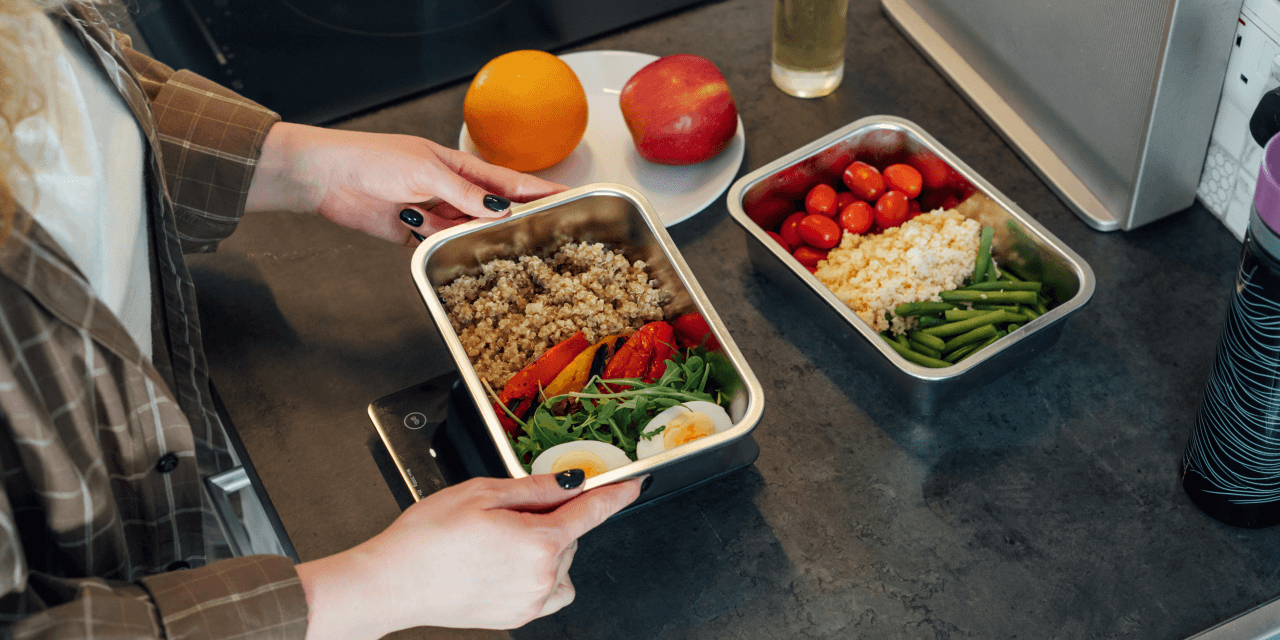
How to eat when your appetite is still low after weight loss
Written by:
-1.png&w=3840&q=75)
25 Sep 2026 • 8 min read
Reviewed and fact-checked:
.png&w=3840&q=75)

Reaching your goal weight doesn't mean your nutrition suddenly becomes less important. If anything, when your appetite is still low, it matters more, not less.
Losing weight can feel like a huge achievement. You may have spent months changing your eating habits, becoming more active and working towards a healthier weight. But once you reach your goal, what happens if you still don't feel very hungry?
For some people, appetite doesn't come back straight away after weight loss, especially if they’ve lost weight using a GLP-1 treatment like Wegovy, Mounjaro or Foundayo. You might still be eating small portions, forgetting meals altogether, or simply not feeling particularly interested in food. That can feel confusing, especially after working so hard to get here.
As a trained chef who later went on to study nutrition, I've always been fascinated by the relationship we have with food. I love cooking, and I love finding ways to make meals both nourishing and genuinely enjoyable. One thing I see time and time again is that eating well doesn't mean eating perfectly. When your appetite is low, it's really about making the food you do eat work a little harder for you.
Why your appetite might be affected by weight loss
There are several reasons appetite may stay low after weight loss. If you're still taking a weight management medication that reduces appetite, that effect can continue for as long as you're on it. NICE recommends that medicines for weight management are used alongside dietary and physical activity support, with long-term nutrition and lifestyle support remaining important throughout and after treatment.
For others, appetite changes simply because eating habits have changed. You may have got used to smaller meals and less frequent snacking, and your hunger cues may feel different to how they used to. Don't panic if you don't suddenly feel ravenous once you hit your target weight. The goal was never to force yourself to eat large meals again. It's to check whether you're consistently eating enough to support your health and maintain your progress.
When it becomes an issue
If your weight is stable, you feel well, and you're managing a varied diet, a naturally smaller appetite may not be a problem at all. But if your weight keeps falling, you're regularly skipping meals, or you're struggling to get enough nutrition, it's worth taking a proper look at what you're eating.
Weight and nutrition aren't the same thing. You can be at a weight that feels healthy for you and still fall short on protein, vitamins or minerals if your overall intake is very limited. The NHS is clear that malnutrition can happen at any body weight, not just when someone is underweight, and can involve a lack of key nutrients even when someone's weight looks fine on paper.
Take something as simple as toast. Plain toast is easy to manage, but toast with eggs, Greek yoghurt or cottage cheese alongside it gives you far more nutritional value for roughly the same effort. The same logic applies to snacks. A small handful of yoghurt with berries, a boiled egg with wholegrain crackers, or hummus with vegetables will give you more protein, fibre and micronutrients than something that offers little beyond calories. Quality matters more when volume is limited.
Prioritise protein
Protein is one of the first things I think about when someone's appetite is low. It plays a direct role in maintaining muscle mass, which becomes especially important during and after weight loss. The British Dietetic Association's guidance for people using medicines for obesity specifically highlights protein intake and preserving muscle mass as a key part of eating well during treatment. You don't need huge portions of meat or an oversized protein shake to get there. Just try to include a source of protein whenever you eat, by adding one of the following on the side:
- eggs
- Greek yoghurt
- cottage cheese
- chicken or turkey
- fish, tofu or tempeh
- lentils, beans or edamame.
- milk or a fortified plant-based alternative
- nuts and seeds.
If a full meal feels like too much, start small. A couple of eggs on toast is often more manageable than a large cooked breakfast. Greek yoghurt with fruit and nuts works well as an easy breakfast or snack. A small bowl of soup with chicken, beans or lentils can be more nourishing than a few crackers. Think protein first, then build the rest of the meal around it.
Add in more fibre
Fibre matters just as much, and it's easy to fall short when you're eating less overall. Current UK guidance recommends around 30g of fibre a day, though many people don't get close to that. Good sources include:
- vegetables
- fruit
- beans
- lentils
- wholegrain
- oats
- nuts and seeds
If you've been eating very little fibre, don't suddenly pile your plate high. Build it up gradually and make sure you're drinking enough fluid alongside it. Add berries to yoghurt. Stir tinned lentils into soup. Choose a seeded wholegrain toast. Add seeds to porridge or a smoothie. Small additions add up across the day.
If you need more inspiration, we have an entire collection of nourishing and delicious recipes you can access here.
Make small meals count
One of the most common mistakes I see is people trying to eat a "normal-sized" meal simply because they feel they should. If a large plate of food puts you off eating altogether, make things easier for yourself instead. A small breakfast, a light lunch, a nourishing snack, a simple evening meal, and another small snack if needed can work far better than three big meals you struggle to finish.
When portions are smaller, nutrient-dense choices matter more. Swap plain toast for toast with eggs or peanut butter. Instead of skipping breakfast, try something small like yoghurt with berries or a smoothie made with milk or yoghurt. You don't need to turn every meal into a project. A handful of simple upgrades makes a real difference when you're consistently eating smaller portions.
Keep a few easy options on hand for days when cooking feels like too much:
- boiled eggs
- Greek yoghurt
- cottage cheese
- tinned tuna or salmon
- pre-cooked chicken and turkey
- frozen vegetables
- tinned soup
- wholegrain wraps
- hummus
I'm a chef, so of course I love cooking properly. But not every meal needs to be a recipe. A wrap with chicken, salad and hummus. Scrambled eggs on toast. Yoghurt with berries and nuts. A bowl of soup with added beans. Simple food can still be nutritious and genuinely satisfying.
Don’t forget about drinks!
Drinks can help too when solid food feels difficult. A smoothie made with milk, yoghurt, fruit and nut butter delivers protein and energy without feeling as heavy as a large meal, and soup with lentils, beans, chicken or tofu stirred through is another good option. Just be careful not to fill up on tea, coffee or other drinks right before meals if that leaves you too full to eat. Staying hydrated matters generally, and especially so if you're increasing your fibre intake.
Eating well during maintenance
Once you've reached a weight you're happy with, the focus can shift away from eating less and towards maintaining your progress and supporting your health. NICE recommends an individualised, nutritionally balanced approach to long-term weight management, with ongoing support rather than a permanent restrictive diet. That doesn't mean going back to old habits that didn't serve you. It means finding an amount and pattern of eating that helps you maintain your weight, feel well, and actually enjoy your food again.
If your weight is continuing to fall, you may need to gradually increase portions or add an extra snack. Make changes slowly and notice how your body responds. The aim was never to eat as much as possible. It's to find a comfortable middle ground where you're eating enough to support your body, without feeling restricted or uncomfortably full.
And if your appetite stays so low that you're continuing to lose weight or struggling to eat enough, don't sit with that alone. Speak to your GP, your prescribing team, or another qualified healthcare professional who can help you work out whether your intake is right for where you are now.
About Lisa Marley
Lisa is a RSPH-accredited Chef and Wellness Expert with an AfN Certified Diploma in Nutrition Coaching. Working alongside myBMI, she helps translate nutrition science into practical, everyday advice, creating recipes, meal ideas and healthy eating guidance that support sustainable weight loss and long-term wellbeing.
Find out more about her work here.
Sources
- Unintentional weight loss. (2025) NHS [Accessed 1 September 2026]
- Malnutrition. (2023) NHS [Accessed 1 September 2026]
- Overweight and obesity management: Overview. (2025) NICE [Accessed 1 September 2026]
- Overweight and obesity management: Physical activity and diet. (2025) NICE [Accessed 1 September 2026]
- Overweight and obesity management: Medicines for overweight and obesity (2025) NICE [Accessed 1 September 2026]
- British Dietetic Association medications for obesity resource (2026) NICE [Accessed 1 September 2026]
- SACN Carbohydrates and Health Report. (2015) Public Health England [Accessed 1 September 2026]

.png&w=3840&q=75)