Low-calorie high-fibre foods to help with Mounjaro constipation
Written by:
.png&w=3840&q=75)
10 Aug 2026 • 7 min read
Reviewed and fact-checked:
.png&w=3840&q=75)

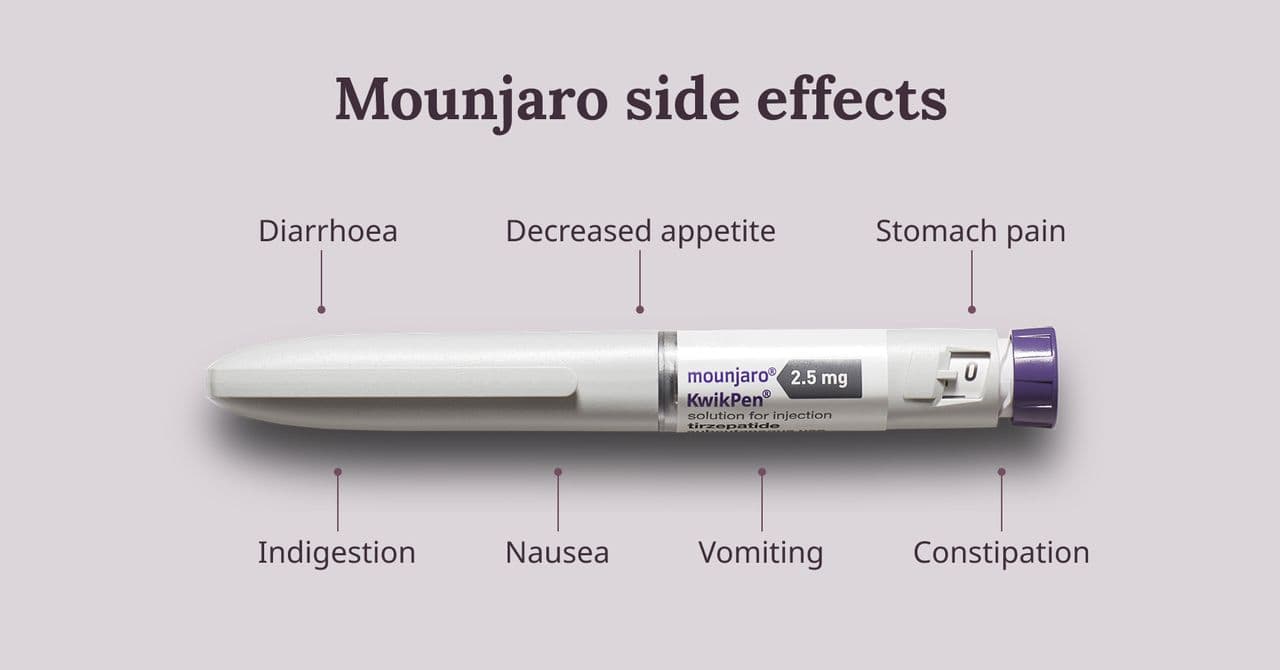
Constipation is one of the more common side effects of Mounjaro, and if you’re dealing with it, you’re certainly not alone. The good news is that there are simple, effective ways to get things moving again.
In this guide, we’ll explain why constipation can happen while taking Mounjaro, how fibre can combat it, and the best low-calorie, high-fibre foods to add to your meals. With a few changes, you can help your gut stay happy while continuing to make progress towards your weight loss goals.
Key points
- Mounjaro can slow digestion, which may lead to constipation.
- High-fibre foods can help support regular bowel movements when combined with fluids.
- Low-calorie, fibre-rich foods can be easily added to everyday meals.
Why does Mounjaro cause constipation?
Constipation is one of Mounjaro’s main side effects because it slows digestion, which means food moves more slowly through the gut.
Mounjaro works by mimicking hormones that regulate appetite and digestion. As part of this, it slows stomach emptying and reduces how quickly food moves through your digestive system.
This can lead to:
- slower stomach emptying
- reduced gut movement
- smaller food intake (which can reduce stool volume)
According to the NHS, changes in digestion and bowel habits can occur when diet, fluid intake, or gut motility change.
While this can feel uncomfortable, it’s usually manageable with the right support.
Will high fibre foods help with constipation?
Yes, high-fibre foods can help relieve constipation by adding bulk to stool and supporting regular bowel movements.
Fibre plays a key role in digestive health. It helps move food through the digestive system more efficiently and makes stools softer and easier to pass.
The NHS recommends fibre as part of a healthy diet, particularly for supporting bowel health.
For best results:
- increase fibre gradually
- drink plenty of water
- stay consistent with your intake
Fibre works best when combined with hydration. Without enough fluids, it can sometimes make symptoms worse.
What are some examples of high fibre foods?
Including fibre in your diet doesn’t need to be complicated. There are plenty low-calorie options that can be easily incorporated into in your daily meals.
Vegetables
Vegetables are one of the easiest ways to increase fibre without adding many extra calories. Here are some high-fibre staples you can add to your next meal.
Vegetable | Fibre per 100g |
|---|---|
Kale | 4.1g |
Sweet potato (with skin) | 3.0g |
Carrots | 2.8g |
Broccoli | 2.6g |
Beetroot (raw) | 2.8g |
These can be incorporated into most dishes, from quick stir-fries or hearty stews to simple sides.
Fruits
Fruit provides natural fibre along with essential vitamins and hydration. They can help support digestion while also satisfying sweet cravings. Here are some fruits packed full of fibre that you can easily find in the produce section on your next shopping trip.
Fruit | Fibre per 100g |
|---|---|
Raspberries | 6.5g |
Blackberries | 5.3g |
Pear (with skin) | 3.1g |
Kiwi | 3.0g |
Banana | 2.6g |
Apple (with skin) | 2.4g |
Blueberries | 2.4g |
Orange | 2.4g |
You can explore more options in our best foods for weight loss guide. Some good tips when adding more fruit into your diet for fibre are:
- Keep the skin on: Apples and pears, for example, contain most of their fibre in the skin. Perhaps controversially, some people also eat their kiwis skin-on for an extra fibre boost!
- Eat the seeds: Seeded fruits tend to be higher in fibre precisely due to their seeds.
- Choose fresh over juice: Fruit juice generally lacks the fibre found in whole fruits.
- Berries are best: Raspberries, blackberries, and strawberries are consistently ranked as top fibre sources .
Fruit is a great, easy snack option on the go, and it’s a great way to reach your fibre goals long-term.
Whole grains
Whole grains contain more fibre than refined carbohydrates and can support satiety.
Whole grain item | Fibre per 100g |
|---|---|
Bran flakes | 15-18g |
Rolled oats (dry) | 10g |
Wholemeal bread | 6-8g |
Rye bread | 5-6g |
Whole wheat pasta (cooked) | 4.5g |
Quinoa (cooked) | 2.8-3.0g |
Brown rice (cooked) | 1.8-2.0g |
These foods provide steady energy and help support regular digestion. Some tips for increasing your intake of whole grains are:
- Swap white bread, rice, and pasta for their wholemeal counterparts.
- Add barley to soups and stews.
- Choose high-fibre breakfast cereals like shredded wheat or bran flakes.
- Use wholemeal flour for baking if possible.
Legumes
Legumes are particularly helpful because they contain both fibre and protein. They’re also rich in both insoluble and soluble fibre, helping to lower cholesterol and maintain digestive regularity.
Legume | Fibre per 100g |
|---|---|
Black beans | 9g |
Pinto beans | 9g |
Split peas | 8g |
Lentils | 8g |
Chickpeas | 8g |
Kidney beans | 5g |
Baked beans | 3.5-5g |
They can be added to soups, salads, or main meals to increase fibre intake without significantly increasing calories. Beyond fibre, these legumes are packed with plant protein, iron, folate, and potassium.
Seeds
Seeds are small but mighty, being nutrient-dense and high in fibre. The best high-fibre seeds can provide between 5% and 35% of the daily required fibre in a standard serving.
These seeds are excellent for digestive health, offering significant amounts of soluble and insoluble fibre, along with omega-3 fatty acids and protein.
Seed | Fibre per 20g |
|---|---|
Chia seeds | 6.8g |
Flaxseeds | 5.8g |
Pumpkin seeds | 3.6g |
Sesame seeds | 2.8g |
Sunflower seeds | 1.8-2.2g |
Hemp seeds | 0.8-1.0g |
These can be sprinkled over yoghurt, porridge, or salads for an easy boost.
Does eating too much fibre have negative effects?
Yes, increasing fibre too quickly can cause bloating, gas, and discomfort.
While fibre is beneficial, your body needs time to adjust. Suddenly increasing your intake can lead to digestive discomfort, especially when starting Mounjaro.
To avoid this:
- increase fibre gradually
- drink enough water
- pay attention to how your body responds
According to the NHS, adults should aim for around 30g of fibre per day, increasing intake slowly if needed.
Remember, fibre is important, but it’s only one part of the bigger picture. Having a balanced diet supports both digestion and your overall health.
A practical way to structure meals includes:
- protein (chicken, fish, tofu)
- fibre (vegetables, whole grains)
- healthy fats (nuts, seeds, olive oil)
This balance can help regulate digestion while supporting weight loss.
If you’re unsure how to build meals, our healthy weight loss guides can help.
Additional tips to relieve constipation on Mounjaro
Diet is important, but a few simple lifestyle habits can also make a difference.
Stay hydrated
Water helps fibre work effectively. Without enough fluids, fibre can make constipation worse.
Aim to drink regularly throughout the day, especially if you’re increasing fibre intake.
Keep moving
Physical activity supports digestion by encouraging movement in the gut.
Even light activity like walking can help. Other kinds of everyday movement like cycling can support both digestion and overall health.
Eat regularly
Eating regular meals helps maintain a consistent digestive rhythm.
Skipping meals or eating very little can slow digestion further, which may worsen constipation.
Track your progress
Understanding how your body responds can help you make adjustments.
You can monitor changes using a BMI calculator or track your weight using a weight conversion guide.
Safety: when to seek medical advice
Constipation is common, but it’s important to know when to seek help.
Speak to a healthcare professional if you experience:
- severe or persistent constipation
- abdominal pain or swelling
- blood in your stool
- unexplained weight loss
- constipation lasting more than a few weeks
Always seek medical advice if your symptoms are ongoing or worrying you.
Putting it into practice
Managing constipation on Mounjaro doesn’t require drastic changes. Small, consistent adjustments can make a meaningful difference.
Focus on:
- gradually increasing fibre
- drinking enough water
- staying active
- eating regularly
If needed, we have additional support available, like weight loss medication guidance, to help you stay informed.
Summary
“Managing constipation while using Mounjaro is usually about small, consistent changes. Increasing fibre gradually, staying hydrated, and building balanced habits can make a noticeable difference over time.”
Ayesha BashirPrescribing Pharmacist
Sources
- Constipation (date unknown) NHS. [Accessed 29 July 2026]
- How to get more fibre (date unknown) NHS. [Accessed 29 July 2026]
- Managing your weight (date unknown) NHS. [Accessed 29 July 2026]
- Obesity management (2025) NICE. [Accessed 29 July 2026]
- Mounjaro Summary of Product Characteristics (2024) EMC. [Accessed 29 July 2026]

%201.jpg&w=3840&q=75)