Does drinking water help you lose weight? The importance of hydration for weight loss
Written by:

28 Jul 2026 • 8 min read
Reviewed and fact-checked:
.png&w=3840&q=75)
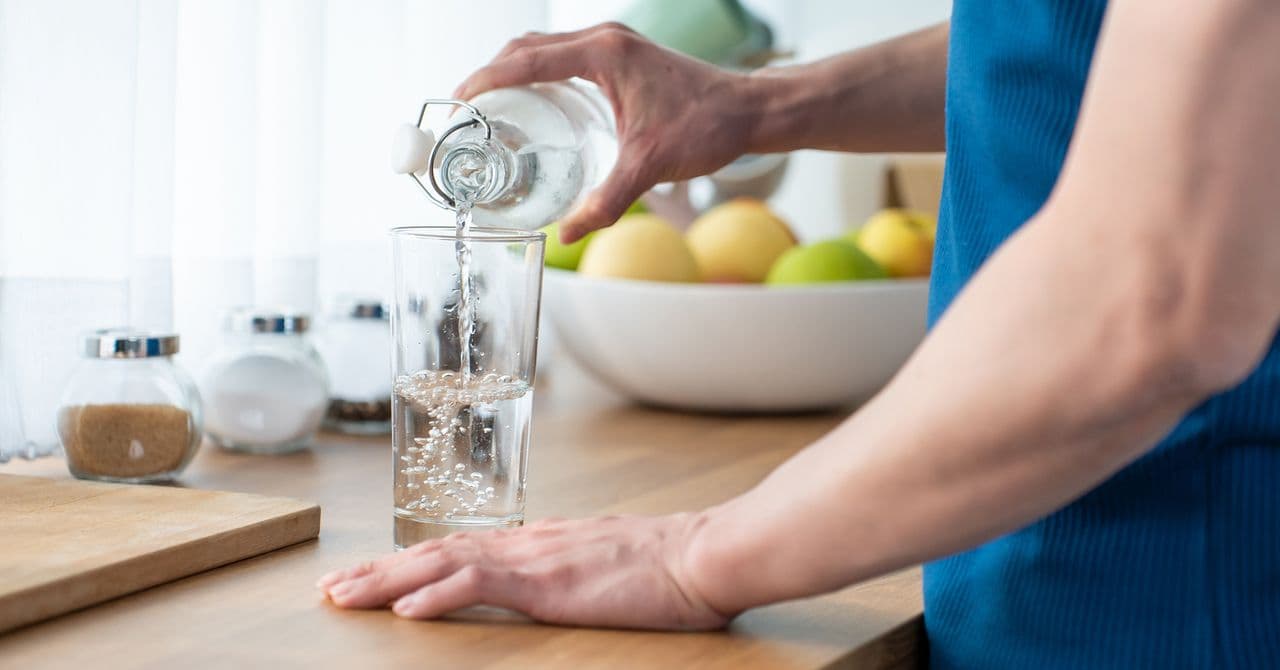
Weight loss isn’t all about the food you eat. Just as important is what you drink! Staying hydrated helps with your appetite regulation, digestion, and physical performance.
This means that being dehydrated can make you feel hungry when you’re not , affect your ability to exercise, and increase your weight short-term through fluid retention.
Our guide explains how much water you need, what drinks keep you hydrated, and how it supports safe, sustainable weight loss.
Key points
- By staying hydrated, it can be easier to stick to your healthy habits, like exercising and reduced snacking.
- Dehydration can contribute to temporary water retention, which can increase your weight in the short-term.
- While water is your best option when it comes to hydration, other drinks like milk, tea and coffee can all contribute to your daily intake.
Why drinking water and staying hydrated is important during weight loss
“Hydration plays a huge role in keeping your body working. It supports your blood circulation, body temperature control, digestion, and cognitive function. So, while it doesn’t cause fat loss on its own, it helps protect the systems that make your weight loss sustainable.
“For example, by staying hydrated, your energy levels and digestion can feel more stable, making it easier to maintain your newly-formed healthy habits.’
Niyah Mansuri, weight loss expert at myBMI
Water can help reduce appetite
Drinking water can help you feel fuller, particularly if you have it before meals. Sometimes, you can even mistake thirst for hunger, which can lead to unnecessary snacking.
But not all drinks are created equal. Replacing sugary sodas and squashes with water not only boosts your hydration, but also reduces your calorie intake.
Water aids digestion
A good level of hydration helps keep your digestion and bowel movement regular. And when your digestion feels settled, your appetite is often easier to manage.
Dehydration can also contribute to constipation, which may cause bloating and discomfort during weight loss. Not only this, it may make side effects on treatments like Mounjaro and Wegovy worse. While it’s always important to stay hydrated, it's even more so when you start out on weight loss injections.
Water storage
When you’re dehydrated, your body can temporarily retain water as a protective response. And this fluid retention can increase scale weight. While this is water weight, not fat gain, and usually resolves when you drink water regularly, it can make it harder to track your weight loss.
Water improves performance in physical activity
Good hydration supports blood circulation and temperature regulation when you’re exercising.
This means even mild dehydration can make it harder to keep going during physical activity. Staying hydrated can help you stick to your exercise goals, which is a key part of any long-term weight loss plan.
How much water should you drink a day to lose weight?
Most adults should aim to drink around 6 to 8 cups or glasses of fluid per day. However, this varies based on your body size, activity levels, the climate where you live, and your overall health.
You should drink more water if you exercise a lot, if you’re in a hot climate, ill, or have a higher body weight.
How much water should a woman drink?
There is no fixed amount of water women should drink specifically, so you should follow the general guidance of 6 to 8 cups a day. However, if you’re pregnant, breastfeeding, physically active, or living in warmer climates, you may need to increase the amount you drink.
How much water should men drink?
Men may require slightly higher intake on average due to greater body mass and muscle volume. General guidance still begins at 6 to 8 cups daily, increasing with activity and body size.
How much water is too much?
Drinking too much water can upset your body’s fluid balance, especially if your kidneys can't remove excess fluid well.
If your fluid intake is constantly more than your output through urine or sweat, you can have a fluid overload which can lead to sudden weight gain, swelling in the ankles or around the eyes, shortness of breath, and raised blood pressure.
What drinks are best for hydration?
Water is the best choice for hydration because it contains no calories, sugar, or additives. But we appreciate that can be a bit boring. So, what else counts?
Milk, sugar-free drinks, tea, and coffee can all help with hydration. The key is choosing options that support hydration without adding unnecessary calories that can make your calorie intake harder to manage.
How much caffeine should you drink a day?
Most adults should have a maximum of 400mg of caffeine per day. This is because higher caffeine intake can increase how much you urinate, and may affect the quality of your sleep, which indirectly influences your appetite and weight regulation.
Do tea and coffee count toward your daily water intake?
Yes, tea and coffee contribute to your fluid intake in moderate amounts. They don’t cause dehydration in healthy adults, as long as you stick within the recommended caffeine limits.
Does sparkling water hydrate you as well as still water?
Yes. Sparkling water hydrates in the same way as still water, provided it contains no added sugar. Carbonation doesn't reduce its hydrating effect.
Is sparkling water good for weight loss?
Sparkling water can support weight loss if it replaces sugary drinks, as it contains no calories and may increase feelings of fullness in some people.
Is lemon water good for weight loss?
Lemon water doesn't directly cause fat loss. It does support hydration, which in turn supports appetite regulation and digestion. The benefit comes from replacing higher-calorie drinks with lemon water, rather than from lemon itself.
Other benefits of drinking water for weight loss
Keeping hydrated supports more than just your appetite and digestion. A good fluid intake helps protect your skin health, joints, cognitive performance, and your overall health during weight loss. It can also reduce strain on your body while you reduce your calorie intake and up your activity levels to support weight loss.
Hydration and loose skin
Rapid weight loss can affect the elasticity of your skin. However, good hydration can help support normal skin structure and elasticity during your journey.
While water alone doesn't prevent loose skin, maintaining hydration supports overall skin health alongside gradual, sustainable weight loss.
Cognitive and emotional health
Even mild dehydration can affect your concentration and mood. Fatigue, irritability, and reduced focus are recognised symptoms of dehydration, which can affect weight loss motivation, trigger emotional eating, and harm your ability to exercise.
Skin health
Water supports circulation and nutrient delivery to the skin. Dehydration can contribute to dry or dull skin. While hydration doesn't directly tighten skin, it helps maintain normal skin function during weight changes.
Kidney and cardiovascular health
Good hydration supports normal kidney function and plays a role in maintaining healthy blood pressure, whereas chronic dehydration can increase strain on the kidneys over time. Maintaining fluid balance supports overall long-term health during weight management.
Joint and tissue health
Water helps lubricate your joints and maintain tissue elasticity. This means dehydration can contribute to muscle cramps and make it harder to hit your exercise goals. Staying hydrated supports comfortable movement and exercise, which are key to a sustainable weight loss journey.
Frequently asked questions
Does drinking more water actually help you lose weight?
Drinking water alone doesn't cause fat loss, but replacing high-calorie drinks with water can reduce overall calorie intake. Hydration also supports appetite regulation and exercise performance, both of which help sustainable weight loss.
Can dehydration slow down weight loss?
Dehydration doesn't directly stop fat loss, but it can reduce physical performance and increase fatigue, which may affect activity levels and consistency. It can also cause temporary fluid retention that affects the numbers on your scale.
What are the signs you are not drinking enough water?
Common signs of dehydration include dark urine, headaches, fatigue, dizziness, and dry mouth. Severe dehydration may cause confusion, low blood pressure, or reduced urine output and requires medical review.
How quickly can hydration impact metabolism?
Hydration supports metabolic processes, but increasing water intake doesn't dramatically boost metabolism on its own. The impact of hydration is supportive rather than transformative.
Does cold water burn more calories than warm water?
The body uses a small amount of energy to warm cold water, but the calorie difference is minimal and not significant for weight loss.
Summary of hydration and weight loss
“While hydration doesn't directly cause fat loss, it supports the systems that make sustainable weight loss possible.
“Whether helping you control your appetite, giving you the energy to move more, or reducing weight loss injection side effects like constipation, drinking enough water on your weight loss journey can be a huge boost when trying to keep on track.”
Niyah Mansuri, weight loss expert at myBMI
Sources
- Water, drinks and hydration. (2023) NHS [accessed 21 February 2026]
- Dehydration. (2025) NHS [accessed 21 February 2026]
- Fluid, a guide to getting the balance right. (2025) NHS [accessed 21 February 2026]
- The Eatwell Guide. (2022) NHS [accessed 21 February 2026]
- Caffeine. (2018) NHS [accessed 21 February 2026]
- Hunger and Thirst: Issues in measurement and prediction of eating and drinking. (2011) National Library of Medicine [accessed 21 February 2026]
- Water-induced thermogenesis. (2003) National Library of Medicine [accessed 21 February 2026]

.png&w=3840&q=75)

%201.jpg&w=3840&q=75)