Mounjaro foods to avoid: Your Mounjaro diet plan
Written by:
%201.jpg&w=3840&q=75)
17 Feb 2026 • 14 min read
Reviewed and fact-checked:
.png&w=3840&q=75)
Mounjaro doesn't require a strict diet, but the foods you choose can make a real difference to how you feel during treatment. Some foods may trigger side effects or leave you feeling less comfortable, while others can help you stay on track and support your progress.
Here, we explore the foods people often find challenging on Mounjaro, explain why this happens, and share simple, realistic ways to eat that support healthy weight loss without unnecessary restriction.
Key points
- There are no ‘banned foods’ on Mounjaro, but some foods are more likely to worsen side effects like nausea, reflux or stomach discomfort, particularly in the early weeks of treatment or after a dose increase.
- Fatty foods, very sugary foods, and large portions are the most common triggers of side effects. This is because Mounjaro slows digestion and can make you more sensitive to rich foods and heavier meals
- The right Mounjaro diet focuses on choosing foods your body tolerates well, getting enough protein, and eating regularly, rather than cutting foods out completely.
Are there foods you should avoid on Mounjaro?
There are no foods you must completely avoid on Mounjaro. However, some foods are more likely to worsen or even cause side effects, especially when you first start treatment or after increasing your dose.
This is because Mounjaro slows the speed at which food leaves your stomach and reduces your appetite. As a result, your digestive system can become more sensitive to large portions, rich meals, and certain foods. For example, very fatty or sugary foods, or eating too quickly, can leave food sitting in your stomach for longer and increase your chances of feeling unwell.
For many people, tolerance changes over time. Foods that feel hard to manage in the first few weeks on Mounjaro often become easier to eat as your body adjusts. Rather than eliminating foods or food groups entirely, the goal is to notice patterns, adjust portion sizes, and choose foods that feel comfortable while your body adapts. This flexible approach supports weight loss without creating unnecessary restriction or anxiety around eating.
“Mounjaro is not about cutting out entire food groups or starving yourself. It works by helping you feel less hungry, so the focus should be on making the food you do eat count. Prioritising balanced meals with enough protein, fibre, and nutrients helps support your body while you lose weight. The habits you build now matter just as much as the number on the scale. Choosing healthier options and turning them into everyday routines can make it more likely that the weight stays off long term. At the same time, try not to be overly restrictive. Weight loss should still feel livable and enjoyable. It is about balance, not perfection.”
Niya MansuriPrescribing Pharmacist
Foods that commonly cause problems on Mounjaro
Some foods are more likely to trigger the negative side effects of Mounjaro, particularly in the early weeks of treatment or after a dose increase when appetite is reduced.
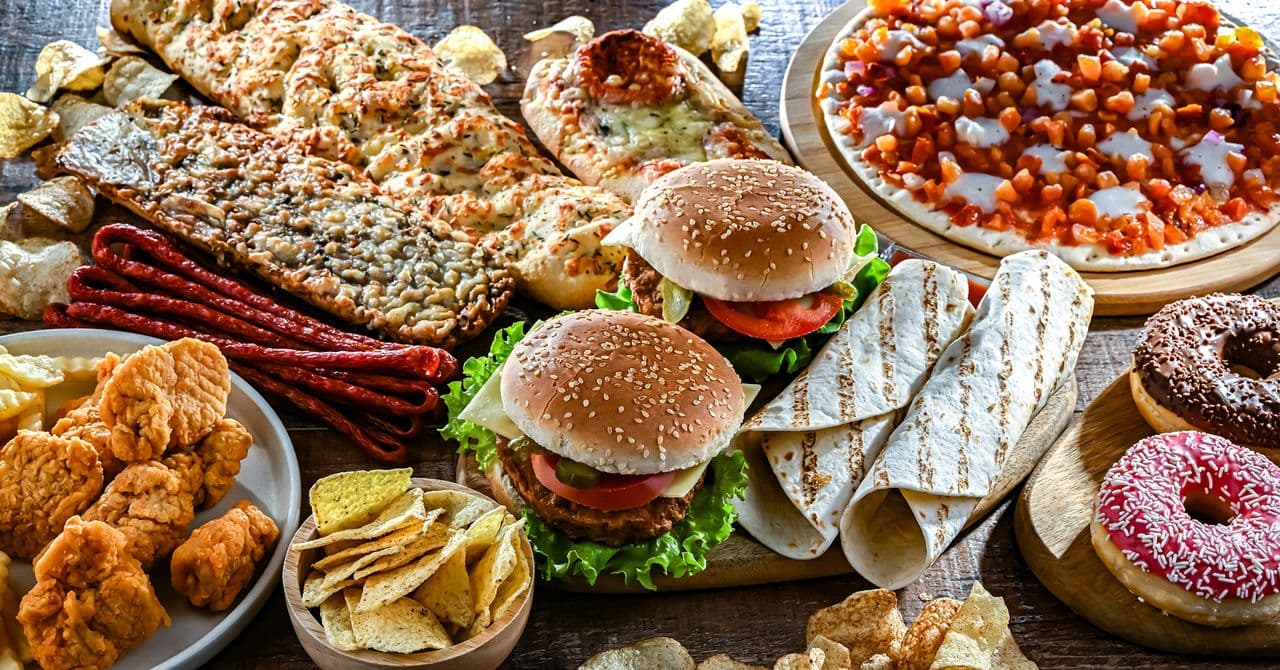
These tend to be foods that are richer and harder to digest, including:
- high-fat and greasy foods
- very sugary foods and drinks
- large or heavy meals
- alcohol
- fizzy drinks and diet soda
High-fat and greasy foods
Foods that are high in fat, including fried foods, takeaways and cream-heavy dishes can be harder to tolerate on Mounjaro.
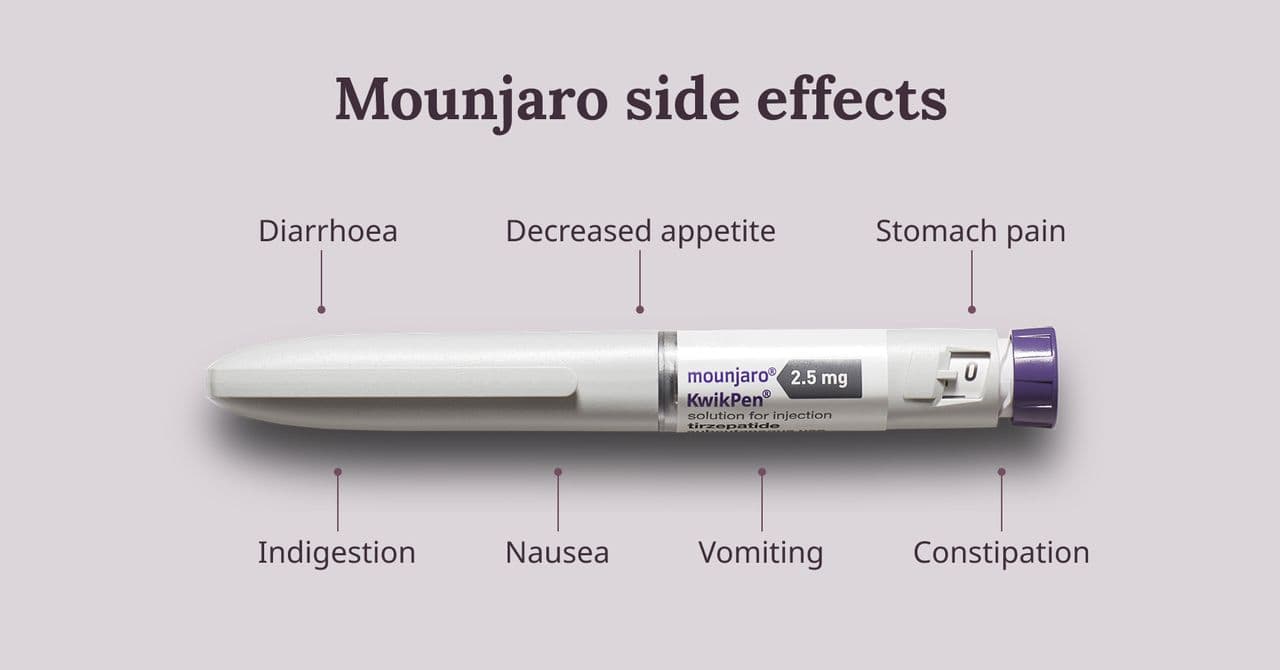
Because Mounjaro slows down the rate of food leaving the stomach and fat naturally delays digestion, eating a high-fat diet on Mounjaro can increase the risk of nausea, bloating, reflux, stomach pain, or vomiting.
It’s worth noting that large portions of fatty foods are more likely to cause problems than small amounts. Rather than avoiding fat completely, many people find it helps to choose lower-fat cooking methods, eat smaller portions, and spread fats more evenly across the day, especially during the first few weeks of treatment or after a dose increase.
Sugary foods and drinks
Food and drinks that are very high in sugar, including sweets, desserts, sugary cereals and sweetened drinks, can be harder to tolerate on Mounjaro.
Because Mounjaro affects appetite and digestion, very sweet foods can also feel overly rich or unpleasant, particularly early on in treatment. Due to this, many people find that heavily sweetened foods become less appealing while on Mounjaro.
These foods can also cause rapid changes in blood glucose, which may increase feelings of nausea, light-headedness, or fatigue for some people. Like fats, they are often easier to tolerate in smaller portions or when eaten alongside protein or fibre, which can help slow digestion and reduce the change in energy levels they cause.
Large or heavy meals
Large or heavy meals can often trigger side effects with Mounjaro, even if the foods do not usually cause problems for you.
Mounjaro slows how quickly food leaves your stomach and helps you feel fuller for longer. Eating too much at once can be difficult for your body to process, which may lead to nausea, bloating, reflux, discomfort, or vomiting. This is especially common when you first start treatment or move up a dose.
Many people feel better by eating smaller portions more often. Try to eat slowly and stop when you begin to feel full. This can help reduce discomfort while still giving your body the nutrition it needs.
Alcohol
Alcohol can be harder to tolerate while taking Mounjaro, even in small amounts. Some people find it affects them more quickly or feels stronger than they expect.
Mounjaro can increase the chance of nausea and reflux, and alcohol may make these worse by irritating the stomach and relaxing the muscle that helps keep acid down. Alcohol can also raise the risk of dehydration and feeling light-headed, especially if you are eating less.
If you choose to drink, having a small amount with food is often easier on the stomach, particularly on days when side effects feel under control. It's often a good idea to avoid alcohol in the early weeks of treatment or after moving up a dose.
Important: Many people find that their alcohol tolerance is lower while on treatment. So it's best to take things easy while you're learning how Mounjaro affects you.
Fizzy drinks and diet soda
Fizzy drinks and diet sodas can cause discomfort on Mounjaro, even when they contain little or no sugar.
Carbonated drinks introduce gas into the stomach, which can worsen bloating, burping, and acid reflux when digestion is already slowed. Some people also find artificial sweeteners increase gut sensitivity, leading to nausea or stomach discomfort. These effects can be more noticeable early on in treatment or after a dose increase.
While some people tolerate fizzy drinks in small amounts, still or lightly flavoured water is usually easier on the stomach. If diet drinks cause discomfort, reducing how much you have or avoiding carbonation altogether can help.
Foods that may worsen specific Mounjaro side effects
Depending on how your body responds to treatment, some foods are more likely to worsen certain Mounjaro side effects. It’s important to recognise patterns and adjust food choices to reduce discomfort while your body adapts.
Foods that can worsen nausea
- High-fat or greasy foods
- Very rich or heavy meals
- Foods with strong smells or flavours
These foods tend to take longer to digest and can feel overwhelming when your appetite is reduced, increasing the risk of nausea or vomiting.
Foods that can worsen acid reflux or burping
- Spicy foods
- Carbonated drinks
- Chocolate
- Large meals, especially late in the evening
These foods can relax your lower oesophageal sphincter, which is a ring of muscle at the top of your stomach, or increase pressure in your stomach, making reflux and burping more likely when digestion is slowed.
Foods that can worsen constipation
- Low-fibre, ultra-processed foods
- Diets low in fruit, vegetables, and wholegrains
Slower digestion can lead to constipation for some people on Mounjaro. This can be worsened if your diet is low in fibre, which can be found in fruit, vegetables and grains. High-fibre foods tend to increase the number of stools you pass and relieve the symptoms of constipation.
Foods that help with Mounjaro side effects
Some foods can help ease common Mounjaro side effects. They are easier to digest, gentler on your stomach, and can make it easier to eat regularly when you've got less of an appetite.
Choosing foods that your body tolerates well can help you feel more comfortable and make it easier to stay consistent with eating while on Mounjaro.
Foods that may help reduce nausea
Plain, low-fat foods are less likely to linger in the stomach and may be easier to eat when feeling nauseous. Examples include:
- crackers
- toast
- rice
- oats
Foods that may help with acid reflux or burping
- Smaller, lighter meals spread across the day
- Non-acidic foods
- Still water or non-fizzy drinks
Eating smaller meals can help reduce stomach pressure while digestion is slower. Choosing lower-acid foods and non-carbonated drinks may also help limit reflux symptoms.
Foods that may help prevent or relieve constipation
- Fibre-rich foods such as vegetables, fruit, oats, and wholegrains
- Foods with natural fluid content, such as soups or stews
- Staying hydrated
Adding more fibre-rich foods, such as fruit, vegetables, and whole grains, slowly can help keep your bowels regular without worsening bloating. Drinking enough fluids can also help soften stools and relieve constipation.
Do I need to follow a specific Mounjaro diet plan?
No, there is no fixed or mandatory diet plan you must follow while taking Mounjaro. Weight loss on Mounjaro does not rely on cutting out specific food groups or following strict rules.
Instead, Mounjaro reduces appetite and slows digestion, which naturally changes how much and how often many people eat. As food tolerance differs from person to person, the most effective approach is to focus on foods you can comfortably tolerate, eat regularly, and get the nutrition your body needs, rather than restricting yourself.
A flexible eating pattern that allows you to adjust your food choices as your appetite and tolerance change helps reduce the side effects of Mounjaro and makes long-term weight loss more sustainable.
What does a supportive diet on Mounjaro look like?
A supportive diet on Mounjaro should be balanced, sustainable, and centred around foods that feel comfortable for you to eat, rather than strict rules or cutting foods out.
Many people find that protein-rich meals, lower-fat options, and staying well hydrated work best. Eating smaller portions more regularly can help manage side effects while still giving your body the energy and nutrients it needs. Simple, familiar meals are often easier to tolerate, especially in the early stages of treatment.
Flexibility matters. Your appetite and food preferences may change over time, so your diet should be able to adjust with you, fitting your routine and lifestyle instead of following rigid targets.
Foods people often worry about (but don’t need to avoid) on Mounjaro
Many people starting on Mounjaro worry that they need to avoid certain everyday foods to lose weight or prevent side effects. In most cases, these foods do not need to be eliminated, and a certain amount can be included in your diet based on tolerance and portion size.
Carbohydrates
Foods such as bread, rice, pasta, and potatoes are not “bad” on Mounjaro. They can provide energy and fibre and are often better tolerated when eaten in smaller portions or alongside protein.
Dairy
Milk, yoghurt, and cheese do not need to be avoided unless they trigger symptoms for you. Lower-fat or fermented options may feel easier to tolerate for some people, particularly early in the treatment.
Fruit
Fruit contains natural sugars but also provides fibre, and vitamins. Most people can eat fruit while on Mounjaro, especially when it is part of a balanced meal rather than in large quantities on its own.
The key is moderation and seeing how you respond. If a food feels uncomfortable, it may help to reduce portion size or timing rather than remove it from your diet completely.
Mounjaro diet tips for eating out and social events
Eating out or attending social events while on Mounjaro can feel challenging, but with a little planning, you can still enjoy these moments without needing to avoid them altogether.
Choosing smaller portions, eating slowly, and stopping when you feel comfortably full can help reduce nausea or discomfort. Many people find it helpful to prioritise protein, opt for simpler dishes and avoid very rich or greasy meals when eating out. Drinking plenty of water and limiting alcohol consumption can also make eating out easier.
Social pressure around food and drink is common. Remember that it's acceptable to eat less than usual, leave food unfinished, or decline alcohol if it helps you feel well.
“You should still be able to enjoy meals out while on Mounjaro. The key is going in with a simple plan. Try not to turn up starving, as it is much harder to make choices that feel good when you are overly hungry. Start with protein where you can. Foods like chicken, fish, eggs, or beans can help you feel satisfied without needing a large portion. And remember, you do not have to eat something just because it is there. It is okay to say no, skip a course, or leave food on your plate if you have had enough. Being comfortable making those calls is not being difficult, it is taking care of yourself.”
Niya MansuriPrescribing Pharmacist
What if a food makes me feel unwell on Mounjaro?
If a food makes you feel unwell on Mounjaro, it does not mean you need to avoid it forever. Food tolerance can change, especially during the early weeks of treatment or after a dose increase.
Many people find it helps to pause that food for a while, eat a smaller amount, or prepare it differently. You can try it again later in a smaller portion or with other foods to see how your body responds without causing symptoms. Making a note of what and when you eat can also help you spot patterns and avoid discomfort.
If your symptoms are severe, persistent, or worsening, or if you are struggling to eat enough, it is important to seek medical advice. Ongoing nausea, vomiting, dehydration, or dizziness should not be ignored.
Mounjaro foods to avoid during dose increases
During a dose increase, your body can become more sensitive to food. Side effects like nausea, reflux, and uncomfortable fullness are more common at this stage, and some foods may feel harder to tolerate than usual.
Very fatty or sugary foods, large portions, and heavily processed meals are more likely to worsen symptoms at these times. To help, keep meals simple, eat smaller portions, and choose foods you already know sit well with you.
This adjustment is usually temporary. As your body adapts to the new dose, food tolerance tends to improve, and a wider range of foods can be reintroduced gradually without discomfort.
How your appetite changes on Mounjaro (and how to eat around it)
Many people notice they feel less hungry on Mounjaro and get full much faster, so smaller meals often feel like enough. Some even realise they have gone hours without thinking about food.
These changes are expected and part of how the medication supports weight loss. However, eating too little or skipping meals can cause or worsen things like nausea, fatigue, dizziness, and low energy levels.
Eating at regular times, rather than waiting until you feel hungry, can help you stay nourished when your appetite is low. Small, planned meals and snacks that include protein and simple foods can support your nutrition while helping to keep side effects manageable.
Your appetite and food preferences may change over time, so staying flexible can help. You might find that foods you struggled with early on, or just after a dose increase, feel much easier to eat a few months into treatment.
What to eat when you don’t feel hungry
Even if your appetite is very low on Mounjaro, it is still important to eat something. This can help keep your energy up and may reduce side effects.
Small, protein-first meals are often easier than large portions. If you feel nauseous, cold or room-temperature foods can be more appealing than hot meals.
Softer foods like yoghurt, soup, porridge, or smoothies can also be easier to manage when you feel full, or if chewing feels like too much effort. Just try to make sure these options still contain protein and key nutrients, so your body gets what it needs.
How much should you eat on Mounjaro?
There is no set portion size or calorie target you have to follow on Mounjaro. It supports weight loss by lowering hunger, not by expecting you to severely restrict what you eat.
That said, not eating enough can make side effects like nausea, dizziness, tiredness, and weakness feel worse. It can also increase your risk of dehydration and make the medication harder to tolerate. Eating regular meals, even if they are small, can help keep your energy steady and symptoms more manageable.
The aim is to eat enough to feel nourished and well. Use portion sizes as a guide rather than strict rules, and adjust what you eat as your appetite and needs change throughout treatment.
Sources
- Blood sugar levels: what is normal? (2024) British Heart Foundation [accessed 14 January 2026]
- Mounjaro KwikPen 2.5mg solution for injection in pre-filled pen. (2025) EMC [accessed 14 January 2026]
- Alcohol Misuse. (2022) NHS [accessed 14 January 2026]
- The Eatwell Guide. (2022) NHS [accessed 14 January 2026]
- Food Fact: The Glycaemic Index. (2023) NHS [accessed 14 January 2026]
- Good choices when eating out. (2022) NHS [accessed 14 January 2026]
- Effect of high fat-diet and obesity on gastrointestinal motility. (2013) National Library of Medicine [accessed 14 January 2026]
- Systematic review: the effects of carbonated beverages on gastro-oesophageal reflux disease. (2010) National Library of Medicine [accessed 14 January 2026]
- Tirzepatide for managing overweight and obesity (2025) NICE [accessed 14 January 2026]