Dealing with Mounjaro dizziness
Written by:

23 Oct 2026 • 7 min read
Reviewed and fact-checked:


Dizziness is recognised as a common side effect of Mounjaro, so if you’ve experienced it, you’re certainly not alone.
When you first start your treatment, you might be prepared for some digestive discomfort. Nausea, diarrhoea, and constipation are well-known side effects of Mounjaro, but feeling dizzy, faint or lightheaded can be more unexpected.
Even when you know side effects are possible, a sudden dizzy spell can feel unsettling, particularly if you’re not sure what’s causing it or whether you should be concerned. Understanding why dizziness can happen, what you can do to manage it, and which warning signs need medical attention can help you feel more confident about what to do next.
In this guide, we’ll explain why Mounjaro can make you feel dizzy and share practical steps for managing light-headedness safely.
Why does Mounjaro cause dizziness?
There isn’t always one clear reason why you might feel dizzy on Mounjaro. Tirzepatide, the active ingredient in Mounjaro, changes your appetite and how your body manages blood sugar, while other common side effects can affect how much you’re able to eat and drink. Dizziness itself is also recognised as a common side effect of tirzepatide.
Some of the possible reasons include:
Low blood sugar
Mounjaro can help you reduce hunger, so you may eat less than you did before treatment. This can cause a dip in blood sugar. However, low blood sugar is more likely if you also take certain diabetes medicines, particularly insulin or sulfonylureas. So, you should be especially mindful of eating much less than usual if you take these medicines.
Dehydration
Eating less can sometimes mean drinking less too. Even more, if you’re experiencing digestive side effects such as vomiting or diarrhoea, you may be losing additional fluids. If you’re feeling dizzy or lightheaded and also notice that you’re thirsty, tired, have a dry mouth, are urinating less often or your urine is dark yellow and strong-smelling, dehydration could be contributing to how you feel. Dehydration is recognised as one potential reason for dizziness during Mounjaro treatment, so make sure to drink plenty of fluids throughout the day.
Nausea and vomiting
Nausea and vomiting are among the common side effects associated with Mounjaro. If vomiting makes it difficult to keep food or fluids down, you may become dehydrated, which, as discussed above, can contribute to feeling dizzy or lightheaded.
Changes in blood pressure
If you feel lightheaded, unsteady or as though you might faint when getting up from a chair or out of bed, it could be related to a temporary drop in blood pressure, also known as orthostatic hypotension. If this keeps happening, speak to your GP, particularly if you take medication for high blood pressure.
How to stop feeling dizzy on Mounjaro
If you’re dizzy on Mounjaro, there are some simple things you can do to help yourself feel steadier. What works best will depend on what’s causing your dizziness, so think about whether you’ve been drinking enough water, when you last ate and, if you monitor them, your blood sugar and blood pressure levels.
Managing dizziness
If a dizzy spell comes on suddenly, here are some quick ways to alleviate it:
- Sip some water: If dehydration could be contributing, start replenishing your fluids. If nausea makes drinking difficult, take small sips and gradually drink more as you start to feel better.
- Sit or lie down: Stop what you’re doing and give the feeling time to pass. This also helps reduce your risk of falling if you’re feeling particularly unsteady.
- Take your time when standing up: Alternatively, if you’ve been sitting or lying down, get up slowly rather than making a sudden change in position. This can be particularly helpful if your dizziness is associated with a drop in blood pressure when you stand.
- Check and treat low blood sugar if appropriate: If you have diabetes and experience symptoms of hypoglycaemia, check your blood sugar if you can. The NHS considers a reading below 4 mmol/L to be low. If it is, have something that raises your blood sugar quickly, such as a small glass of fruit juice or glucose or dextrose tablets, then check it again after 10 to 15 minutes.
Preventing dizziness
Here are a few everyday habits that may help reduce your chances of experiencing another dizzy spell:
- Stay on top of your hydration: Keep water nearby and drink regularly throughout the day, rather than waiting until you feel thirsty. Staying hydrated is particularly important if you’re experiencing vomiting or diarrhoea, as these can cause you to lose additional fluid.
- Keep an eye on your blood sugar: If you have diabetes and have been advised to monitor your glucose, continue checking it as directed by your healthcare team. Low blood sugar is particularly associated with insulin and some other diabetes medicines, and symptoms can include dizziness, hunger, sweating, shaking and heart palpitations.
- Monitor your blood pressure if advised: If your dizziness tends to happen when you stand up, keeping track of your blood pressure may help you and your healthcare team understand what’s happening. Don’t make changes to any blood pressure medication yourself.
- Give your body time to adjust: Side effects can be difficult to deal with, even when you know they’re a possibility. If dizziness is affecting your day-to-day life or isn’t improving, speak to your myBMI clinician. They can look at what you’re experiencing and advise you on the safest next step, rather than leaving you to manage it alone.
When to seek medical help for dizziness
If your dizziness progresses and becomes unbearable, you should speak to a medical professional. Remember that everybody reacts differently to weight loss medications such as Mounjaro, and some may suffer from side effects more than others.
You should trust your body and seek help when you feel it is needed.
“Dizziness can feel worrying, particularly when you’re not sure why it’s happening. Pay attention to what your body is telling you and take things slowly. If your symptoms persist or concern you, speak to us so we can help you understand what’s happening and support you safely.”
Niya MansuriPrescribing Pharmacist
What are other side effects of Mounjaro?
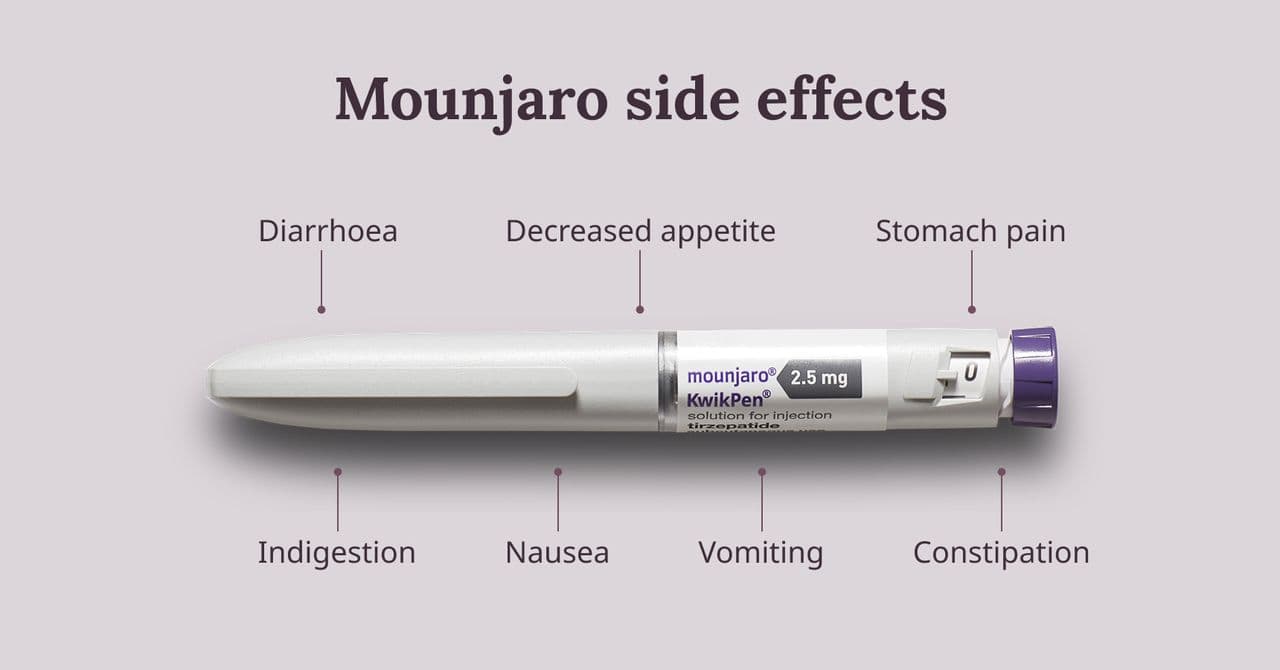
Dizziness isn’t the only side effect you might experience while taking Mounjaro. Other common side effects include nausea, diarrhoea, constipation, and vomiting, although everybody’s experience of treatment is different.
For a fuller picture of what you might experience and how to manage it, read our guide to Mounjaro side effects.
Getting support throughout your treatment
Your weight loss journey shouldn’t be something you have to navigate alone. If dizziness or other side effects are making treatment more difficult, reaching out for support can help you understand what you’re experiencing and what to do next.
At myBMI, our clinicians are with you throughout your treatment, so you can get advice when you need it and feel supported at every step of the way.
Already a myBMI patient?
Speak to your clinician if you’re experiencing dizziness or any other side effects. They’re there to listen, offer guidance, and help you manage your treatment safely.
Thinking about starting Mounjaro?
Learn more about our Mounjaro treatment plan and the support available throughout your journey.
Sources
- Your obesity treatment: tirzepatide (Mounjaro®) (2026) NHS Cambridge University Hospitals [Accessed 29 September 2026]
- Postural hypotension (low blood pressure when you stand up) - Overview (2025) Guy's and St Thomas' NHS Foundation Trust [Accessed 29 September 2026]
- Dehydration (2026) NHS [Accessed 29 September 2026]
- Low blood sugar (hypoglycaemia) (2023) NHS [Accessed 29 September 2026]