How losing weight helps improve your sleep, energy, and mood
Written by:

22 Oct 2026 • 8 min read
Reviewed and fact-checked:

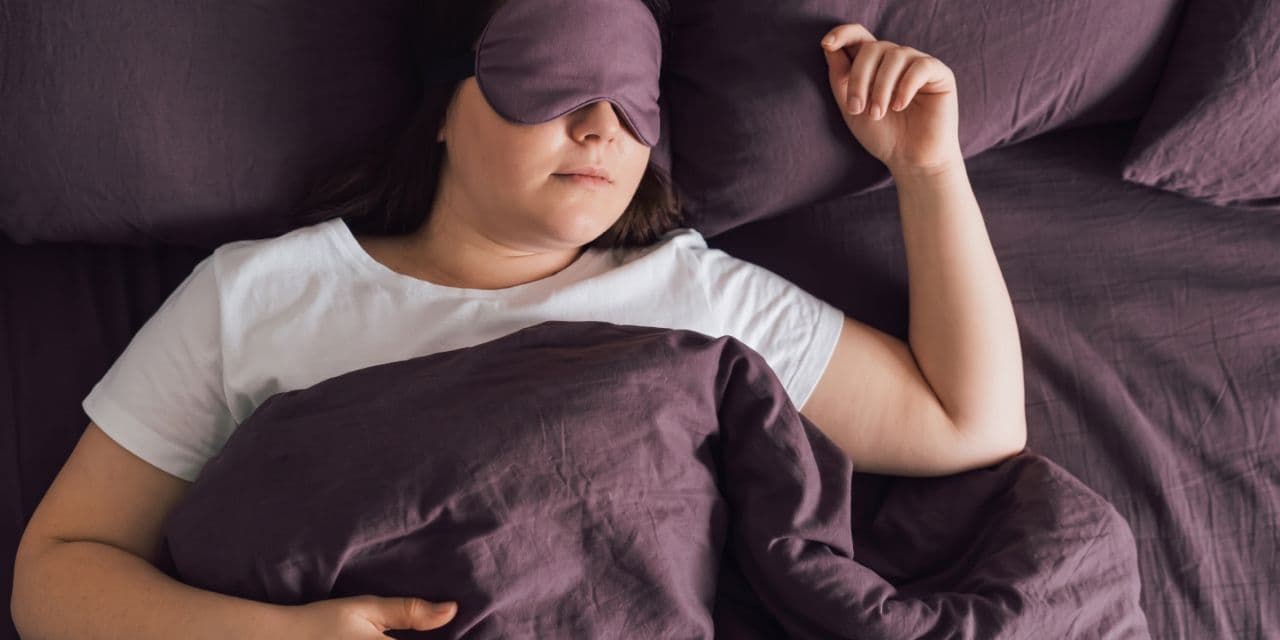
As the clocks go back and the evenings get darker, many of us start paying a little more attention to sleep. After all, a good night’s sleep can make a huge difference in how we feel both physically and mentally.
For many, this involves considering whether their weight is impacting their sleep quality. This is because weight, sleep and mental wellbeing are closely connected and losing weight can play an important role in improving your sleep, energy levels and overall mood.
The good news is that even modest weight loss may help to improve sleep quality and overall wellbeing. This guide will explore how better sleep can create a positive ripple effect throughout daily life, supporting healthier habits, improved mood, and increased confidence along the way.
How are weight, sleep and mental wellbeing connected?
Sleep plays an essential role in both physical and mental health. When you're consistently getting poor-quality sleep, it can affect everything from your energy levels and concentration to your appetite and emotional wellbeing.
Obesity is associated with a higher risk of sleep problems, particularly obstructive sleep apnoea, a condition where breathing repeatedly stops and starts during sleep. Excess weight can also contribute to snoring, discomfort and disrupted sleep patterns.
How excess weight can affect sleep
Those living with overweight or obesity may experience:
- loud snoring
- frequent waking during the night
- difficulty finding a comfortable sleeping position
- poor-quality sleep
- waking up feeling tired despite spending enough time in bed
Over time, these sleep disruptions can affect your daily life. You may find yourself relying on caffeine to get through the day, struggling to concentrate at work or lacking the energy to exercise and socialise.
The cycle between weight gain and poor sleep
One of the challenges is that sleep and weight have a two-way relationship.
Poor sleep can increase feelings of hunger, stress eating, and make cravings for high-calorie or sugary foods more difficult to manage. Feeling tired may also reduce motivation to exercise, prepare healthy meals or maintain positive routines. At the same time, gaining weight may worsen sleep quality and increase the risk of sleep apnoea.
This can create a difficult cycle where poor sleep contributes to weight gain and weigh gain contributes to poor sleep.
“Better sleep can lead to more energy during the day. More energy may make it easier to stay active, prepare healthy meals and stick to new routines. Over time, these changes can support weight loss and overall wellbeing. At the same time, losing weight may also help improve sleep quality, creating a positive cycle that benefits your physical and mental health.”
Ayesha BashirPrescribing Pharmacist
Can losing weight help you sleep better?
Better sleep is one of the first positive changes many people notice during a weight loss journey. While everyone's experience is different, you may feel these improvements to your sleep quality and well-being:
Better quality sleep
By losing weight, you reduce some of the factors that might be interfering with you getting a restful night sleep. These can include:
- fewer overnight disruptions
- less snoring
- more comfortable sleeping positions
- better overall sleep quality
- waking feeling more refreshed
And although you can’t spot-reduce fat, reductions in body fat, particularly around the belly is associated with improved sleep.
More energy during the day
When you’re sleeping better, daily activities often feel easier.
The positive effects during the day can be:
- less daytime fatigue
- improved concentration
- better productivity at work
- reduced reliance on caffeine
- greater motivation to stay active
You may find yourself feeling more capable of tackling everyday tasks, whether that's taking the dog for an evening walk, keeping up with family activities or fitting exercise into a busy schedule.
Benefits beyond the bedroom
The impacts of better sleep often extend far beyond physical health. As well as your sleep quality improving, you might also notice:
- increased confidence
- more motivation in everyday life
- better focus
- more interest in hobbies
- greater enjoyment of social activities
Weight loss and sleep apnoea
Sleep apnoea is one of the most common sleep disorders associated with obesity, and losing weight can improve the symptoms.
What is Obstructive Sleep Apnoea (OSA)?
Obstructive sleep apnoea (OSA) occurs when the airway becomes partially or completely blocked during sleep.
This causes breathing to repeatedly stop and start throughout the night. You might be unaware this is even happening until a partner or family member notices the symptoms.
Obesity puts you more at risk of developing sleep apnoea because the excess tissue around the neck and airway can make it more difficult to breathe freely during sleep.
Worried you may have sleep apnoea?
Look out for these symptoms:
- loud snoring
- gasping or choking during sleep
- morning headaches
- daytime tiredness
- brain fog
- difficulty concentrating
- poor sleep quality
Because these symptoms often develop gradually, it’s easy to confuse them with simply part of getting older or having a busy lifestyle.
Can weight loss help sleep apnoea?
For a lot of people, yes.
Losing weight may help reduce pressure around the airway, making breathing easier during sleep. Research suggests losing body fat can help reduce the severity of sleep apnoea symptoms such as snoring, breathing disruptions, and fatigue the day after.
However, it's important to remember that weight loss is not a replacement for medical treatment. If you have been diagnosed with sleep apnoea, continue to follow the advice of your healthcare professional and use treatments such as CPAP if recommended.
Can weight loss improve depression and anxiety?
Mental wellbeing is influenced by many different factors, and there is no single solution for depression or anxiety.
However, sleep and mental wellbeing are closely linked, and improvements in sleep quality may have a positive effect on mood for many.
The relationship between sleep and mental wellbeing
Sleep and mood influence one another in several ways.
Poor sleep can make everyday stresses feel more difficult to manage, contributing to:
- irritability
- trouble with patience
- feeling overwhelmed
- difficulty concentrating
- less motivation
At the same time, anxiety and depression can make it harder to fall asleep or stay asleep, creating a vicious cycle.
How better sleep can improve your mood
As you’ve probably experienced, better sleep tends to have a knock-on effect on your mood. A bad night sleep can have you feeling grouchy and irritable the next day, and these symptoms can build up over time.
When sleep in quality improves, your mood will too. Day to day you may start to feel:
- less irritable
- more resilient to stress
- better emotional regulation
- more switched on
- positive and lighter
While weight loss should not be considered a treatment for depression or anxiety, improving factors such as sleep quality, physical activity levels, and overall health may contribute to feeling better.
Feeling more like yourself again
One of the most rewarding aspects of improved sleep is often the return of energy and enthusiasm for everyday life. Feeling more present with family and friends, more confidence to socialise and get back into your hobbies and interests are just a few of the ways improving your sleep can make you feel like yourself again.
These changes may seem small at first, but together they can make a meaningful difference to overall quality of life.
Practical tips for improving sleep during your weight loss journey
Regular physical activity can support both weight management and sleep quality. Even small increases in daily movement can make a difference.
Here are some helpful tips from Ayesha, one of our clinicians here at myBMI, on how you can improve your sleep.
Keep a consistent sleep routine
Try to go to bed and wake up at similar times each day, including weekends where possible.
Stay physically active
Regular physical activity can support both weight management and sleep quality. Even small increases in daily movement, like walking more, can make a difference.
Create a sleep-friendly bedroom environment
Aim to keep your bedroom cool, quiet, dark, and comfortable to limit additional factors that can disrupt sleep. Reducing screen time before bed may also help you wind down more effectively.
Limit caffeine and alcohol before bed
Caffeine later in the day can affect your ability to fall asleep by blocking the brain’s natural sleep signals, while alcohol can disrupt sleep quality and cause dehydration even if it initially makes you feel sleepy.
Seek support for ongoing sleep problems
If sleep difficulties are becoming a regular part of life, don't ignore them. Speaking to a healthcare professional can help identify potential causes and treatment options.
When should you speak to a healthcare professional?
Consider seeking professional advice if you experience symptoms of sleep apnoea, persistent sleep difficulties, ongoing daytime fatigue, anxiety or low mood affecting daily life and concerns about your weight and long-term health.
Support may include sleep assessments, weight management advice, lifestyle support, counselling or other interventions recommended by your healthcare professional.
You can also explore weight loss medication options on myBMI by starting your consultation today.
Better sleep, better mood and better health
Even though living with obesity can increase the risk of poor sleep and sleep apnoea, there are ways to help. Losing weight can kickstart your journey to better sleep and positively impact both your physical and mental wellbeing.
If you're looking to improve your health, sleep and overall wellbeing, explore myBMI’s weight loss treatment options and discover how we can support your long-term weight management journey.
Sources
- Effect of Weight Loss on Sleep Quality: Improved Sleep Quality Associated with Reductions in Body Weight and Abdominal Fat. (2013) National Library of Medicine/PubMed [Accessed 20 October 2026]
- Sleep apnoea. (2025) NHS [Accessed 20 October 2026]
- Sleep and tiredness. (2025) NHS [Accessed 20 October 2026]
- Obesity: Identification, assessment and management. (2025) NICE [Accessed 20 October 2026]
- Losing Weight and Belly Fat Improves Sleep. (2012) Harvard Health Publishing [Accessed 20 October 2026]
- Obstructive Sleep Apnoea. (2023) Royal Papworth Hospital NHS Foundation Trust [Accessed 20 October 2026]