How many calories are there in common drinks?
Written by:

04 Feb 2026 • 8 min read
Reviewed and fact-checked:
.png&w=3840&q=75)
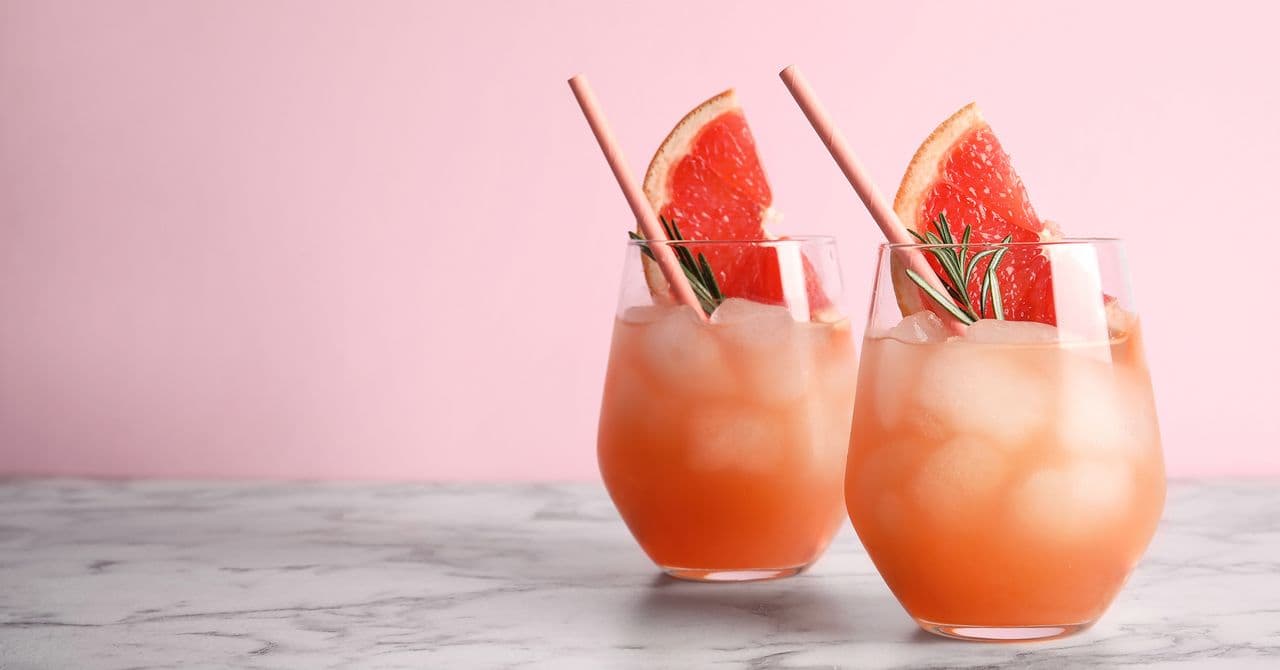
Many drinks contain more calories than you might expect, especially alcohol, creamy coffees, and sugary soft drinks.
Because liquid calories are less filling than food, they're easy to overlook, yet they can quickly increase your daily intake and slow your weight loss progress.
This guide breaks down the calories in popular alcoholic, hot, and soft drinks and shows how small, realistic swaps can reduce your calorie intake without feeling restrictive.
Key points
- Drinks can add significant calories to your diet without making you feel full, so they're easy to overlook when managing weight.
- Mixers, added sugar, and milk choices often contribute more calories than the drink itself.
- Small swaps, like choosing a lower-calorie mixer or switching to a lighter milk, can make a real difference to your calorie intake over time without changing your routine too much.
Calories in common alcoholic drinks
Alcoholic drinks can add a significant number of calories to your diet, and they are easy to overlook because they do not feel as filling as food.
While some people assume alcoholic drinks are generally low in carbohydrates, many beers, ciders, cocktails, and sugary mixers can contain significant amounts of sugar and carbohydrate, making them less suitable for a keto diet.
Most calories come from the alcohol itself, with additional calories from the sugars and carbohydrates they contain. Serving size, alcohol strength, and mixers all play a major role in how many calories a drink contains.
How many calories in a pint of Guinness?
A pint of Guinness typically contains around 210 calories, which is lower than many people expect for a beer.
Guinness is relatively low in calories compared to many standard lagers because it has a moderate alcohol by volume (ABV) and less residual sugar. Despite its creamy texture, its calorie content is closer to some lighter beers than to stronger ales or craft lagers.
What beer has the least calories?
Alcohol-free and low-alcohol beers and lagers generally contain the fewest calories per pint.
The number of calories in beer is closely linked to alcohol by volume (ABV). Beers with a lower ABV contain less alcohol, which directly reduces their calorie content. While alcohol-free and low-alcohol beers are usually the lowest-calorie options, the number of calories can still vary significantly from brand to brand.
How many calories in a glass and bottle of red wine?
A standard 175 ml glass of 12% ABV red wine contains up to 158 calories, while a full bottle contains up to 632 calories.
Calories increase with larger serving sizes and higher alcohol content. People often underestimate the total number of calories per bottle, particularly when wine is poured generously at home, making wine a common source of hidden calories.
How do red wine calories compare to white wine?
White wine tends to be slightly lower in calories than red wine, but the difference is usually small.
Calorie differences depend on alcohol content and sugar levels rather than colour. Stronger white wines or sweeter styles can contain as many, or even more calories than red wine.
How many calories are in a shot of vodka?
A standard 25 ml shot of 40% ABV vodka contains around 50 calories, making it relatively low-calorie on its own.
Vodka contains no sugar, so its calories come entirely from alcohol. However, when combined with mixers, total calories can increase quickly, potentially exceeding those in beer or wine.
How many calories in a gin and tonic?
A gin and tonic typically contains 120 to 170 calories, but this largely depends on the tonic used.
A single measure of gin provides most of the alcohol calories, but regular tonic water contains added sugar that can increase the total calorie count. Choosing a diet or low-calorie tonic can significantly reduce calories.
Are prosecco and champagne high in calories?
Prosecco and champagne contain a similar number of calories to still wine, with up to 158 calories in a 175 ml serving.
Sparkling wines are often perceived as lighter, but calorie content is mainly determined by alcohol strength and serving size, so the bubbles don’t mean there are fewer calories than in still wine.
“Hidden calories in drinks are one of the easiest ways to unintentionally increase your daily intake. Whether it is alcohol, fizzy drinks, speciality coffees, or even fruit juices, these calories often don't keep you full, so it is easy to consume more than you realise. Alcohol can also contribute to dehydration, which may increase feelings of hunger and lead to overeating.
Taking a moment to check nutrition labels can help you spot unexpected sugars and calories, and there are usually lower calorie options available. Enjoying these drinks in moderation can support your weight loss goals while still allowing flexibility in your routine.”
Ayesha Bashir, myBMI weight loss expert
Calories in everyday drinks
Everyday drinks like tea, coffee, milk, and soft drinks can add more calories than you might expect, especially when you add sugar, choose creamier options, or go for larger serving sizes.
While some drinks are naturally low in calories, small extras can quickly build up, increasing your overall daily intake without you always noticing.
Calories in tea and coffee and how your choice of milk affects them
Black tea and black coffee contain very few calories, but once you add milk, the total depends on the type and how much you pour. Whole milk is higher in calories, while lighter or plant-based options are typically lower.
Whole milk
Whole milk contains around 65 calories per 100 ml, giving it the highest-calorie content of milks commonly used in hot drinks.
Regularly using whole milk in tea or coffee can noticeably increase daily calorie intake, particularly when multiple drinks are consumed a day.
Semi-skimmed milk
Semi-skimmed milk provides around 48 calories per 100 ml, offering a lower-calorie alternative to whole milk.
Because it is commonly used in the UK and Ireland, semi-skimmed milk is an often-overlooked source of calories in hot drinks.
Skimmed milk
Skimmed milk contains approximately 35 calories per 100 ml, making it the lowest-calorie dairy milk option.
Switching from whole or semi-skimmed milk to skimmed milk can reduce your calorie intake through tea and coffee without changing the volume you consume.
Non-dairy milks such as soy milk and coconut milk
Non-dairy milks vary widely in calorie content depending on the type and recipe.
Soy milk usually contains around 40 to 50 calories per 100 ml, making it similar to semi-skimmed milk, while coconut milk drinks can vary widely depending on how much fat and sugar has been added.
Calories in popular soft drinks
Soft drinks are one of the biggest sources of added sugar, and the calories can add up quickly if you have them often.
The calorie content can vary widely depending on the drink and portion size, with diet versions typically containing few to no calories compared to full-sugar options.
Coca-Cola (and Diet Coke)
A standard 330 ml can of Coca-Cola contains 139 calories, while Diet Coke contains 0 calories.
Fanta
A 330 ml can of Fanta contains approximately 66 calories, depending on the flavour.
Sprite
A 330 ml can of Sprite contains around 66 calories.
Monster
A 500 ml can of Monster Energy typically contains 230 calories, which comes from both the sugar content and its larger serving size.
Red Bull
A 250 ml can of Red Bull contains 110 calories.
| Drink name/type | Calories per unit | Lower-calorie alternative |
|---|---|---|
| Pint of guinness (568ml) | 210 kcal | Lower-ABV stout or alcohol stout |
| Pint of standard lager (568ml) | Up to 220 kcal | Low-alcohol or alcohol-free lager |
| Glass of red wine (175ml) | Upto 158 kcal | Lower-ABV wine |
| Bottle of red wine (750ml) | Upto 632 kcal | Lower-ABV wine |
| Shot of vodka (25ml) | 50 kcal | N/A |
| Gin and tonic (single, regular tonic) | 120 to 170 kcal | Gin with diet tonic or soda |
| Prosecco / champagne (175ml) | Upto 158 kcal | Lower-ABV sparkling wine |
| Black tea or coffee | 0 to 5 kcal | N/A |
| Tea or coffee with milk | Varies according to milk choice | Semi-skimmed, skimmed or unsweetened soy milk |
| Coca-cola (330ml) | 139 kcal | Diet coke or coke zero |
| Diet coke (330ml can) | 0 kcal | N/A |
| Fanta (330ml can) | 66 kcal | Diet fanta or sugar-free squash |
| Sprite (330ml can) | 66 kcal | Diet sprite or sparkling water |
| Monster (500ml can) | 230 kcal | Sugar-free energy drink |
| Red Bull (250ml can) | 110 kcal | Sugar-free energy drink |
Frequently asked questions
Which drinks are highest in calories?
Alcoholic drinks, sugary soft drinks, and milk-based drinks are typically highest in calories. Wine, beer, spirits with full-sugar mixers and energy drinks can all contribute significant calories to your diet without creating fullness or providing essential nutrients.
Are alcohol calories different from food calories?
Alcohol calories provide energy but no essential nutrients, which is why they are often described as “empty calories”. The body also processes alcohol differently from food, prioritising its metabolism over fat and carbohydrates.
Do diet drinks help reduce calorie intake?
Diet drinks contain little to no calories and can help reduce your overall calorie intake when they replace full-sugar versions. However, they do not provide nutritional value and should not replace water as your main drink.
Is cutting out drinks enough to lose weight?
Reducing calories from drinks can support weight loss, but it is rarely enough on its own. Sustainable weight loss depends on improving your overall diet, increasing physical activity, and implementing long-term habits, not on a single change.
Are non-dairy milks always lower in calories?
Non-dairy milks are not always lower in calories than dairy milk. Calorie content varies widely by type, brand and recipe, as some have added sugar.
Sources
- Alcohol units. (2024) NHS [accessed 28 January 2026]
- Calories in alcohol. (2023) NHS [accessed 28 January 2026]
- Guinness Draught Beer. (2024) Guinness [accessed 28 January 2026]
- Types of milk. (2026) Dairy Council [accessed 28 January 2026]
- Products & Nutrition Facts: Coca-Cola. (2026) Coca-Cola [accessed 28 January 2026]
- Products & Nutrition Facts: Fanta. (2026) Coca-Cola [accessed 28 January 2026]
- Products & Nutrition Facts: Sprite. (2026) Coca-Cola [accessed 28 January 2026]
- MONSTER ENERGY ORIGINAL GREEN. (2026) Monster Energy [accessed 28 January 2026]
- What are the nutrition facts of Red Bull Energy Drink? (2026) Red Bull [accessed 28 January 2026]

-1.png&w=3840&q=75)
.png&w=3840&q=75)