Practical tips to lose arm fat
Written by:
.png&w=3840&q=75)
10 Aug 2026 • 7 min read
Reviewed and fact-checked:
.png&w=3840&q=75)
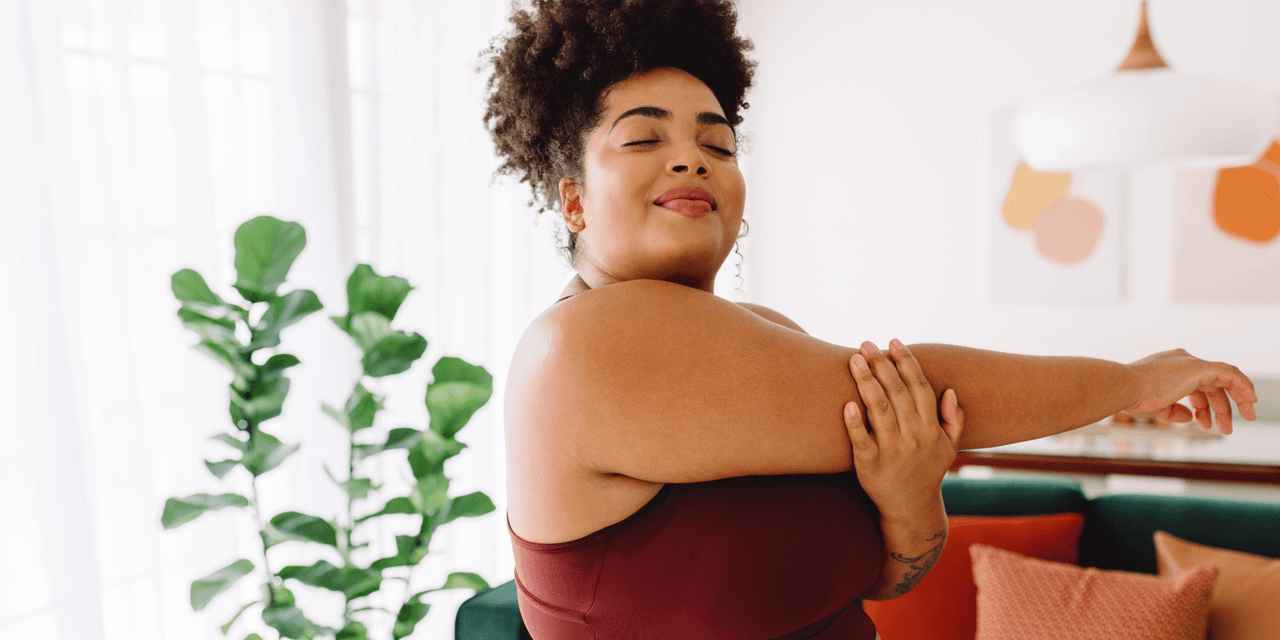
If you're looking to lose arm fat, it's completely understandable to want visible results as quickly as possible. However, there's no way to target fat loss from one specific area of the body, including your arms. As you lose weight, your body decides where fat is lost first based on factors such as genetics, hormones, and body composition. Fortunately, that doesn’t mean there’s nothing you can do. Reducing your overall body fat and building muscle can help your arms look leaner, stronger, and more toned over time.
In this guide, we'll explain how fat loss really works, the role of nutrition and exercise, and the practical steps you can take to achieve lasting results and feel more confident in your body.
Key points
- You can’t target arm fat specifically, but overall fat loss will reduce it.
- Strength training and simple exercises can help tone and define arms.
- Diet and lifestyle habits play the biggest role in reducing body fat.
Understanding arm fat
Arm fat is simply stored body fat in the upper arm area. It’s completely normal and varies from person to person depending on body composition and lifestyle.
What causes arm fat?
Arm fat is usually linked to overall body fat levels rather than to a single cause.
Common factors include:
- a calorie surplus over time
- lower levels of physical activity
- reduced muscle mass
- lifestyle habits, like inactivity or inconsistent routines
Arm fat is just one of the ways your body stores energy under these circumstances.
Why is it challenging to lose arm fat?
It can feel frustrating, but fat loss doesn’t happen in one specific area. Your body decides where fat is lost based on genetics and body composition. According to the NHS, weight loss happens across the whole body rather than in targeted areas.
Nutrition tips for slimming arms
While you can't lose fat from your arms alone, nutrition plays a major role in reducing overall body fat, which will, in time, lead to thinner arms as well. This doesn't have to mean strict diets or cutting out your favourite foods. In most cases, small, sustainable changes are what deliver the best long-term results.
How to shed arm fat through diet
To lose body fat, you need to use more energy than you consume. This is known as a calorie deficit, and it's the foundation of weight loss.
According to the NHS, gradual weight loss is safer and more sustainable. So, rather than drastically cutting calories, aim for a modest deficit that feels manageable and fits into your everyday life. This can help you lose weight steadily while maintaining your energy levels and reducing the likelihood of regaining weight later on. If you'd like to learn more, our calorie deficit guide explains exactly how this works.
Foods to avoid for thinner arms
Rather than cutting foods out completely, it’s more helpful to reduce those that are easy to overeat. This includes:
- highly processed snacks, like crisps and chocolate
- sugary drinks, like full-fat Coke
- high-calorie takeaways
- alcohol in excess
Focusing on nutrient-rich foods and limiting those high in fat and sugar is better for long-term weight management goals as opposed to restricting entire food groups.
Best foods to include for arm fat loss
Focusing on nutrient-dense foods can help you feel fuller and support your progress:
- lean protein (chicken, fish, eggs, tofu)
- high-fibre foods (vegetables, fruits, whole grains)
- healthy fats (nuts, seeds, olive oil)
- plenty of water
For more ideas, see our best foods for weight loss guide.
Effective arm workouts
While nutrition plays the biggest role in reducing overall body fat, exercise can help build strength, improve muscle definition, and support your overall weight loss results. As you lose body fat, strengthening the muscles in your arms can help them look firmer and more toned.
Exercises that target the arms
You don't need a complicated workout routine to strengthen your arms. A handful of simple exercises performed consistently can make a real difference over time.
Some effective arm exercises include:
- Bicep curls, which target the front of the upper arm.
- Triceps dips, which help strengthen the back of the upper arm.
- Triceps extensions, which focus on muscle definition and strength.
- Push-ups, which work the arms, chest, and shoulders at the same time.
- Shoulder presses, which build upper-body strength and stability.
Focus on resistance training
Resistance (or strength) training helps build and maintain muscle, which is important during weight loss. The more muscle you preserve, the better supported your metabolism is, helping your body use energy efficiently as you lose weight.
The NHS recommends including strength-based exercise at least twice a week, whether that's using weights, resistance bands, weight machines, or bodyweight exercises at home.
Bodyweight exercises
With these, you don’t need any fancy equipment to get started, and you can do them from the comfort of your own home. Exercises like push-ups, planks, and triceps dips can be effective and easily added to your exercise routine.
Cardio options that support fat loss
While resistance training and bodyweight exercises build and maintain muscle, cardio can play an important role in creating the calorie deficit needed for weight loss. Combined with a balanced diet, regular cardio can help reduce overall body fat, including the fat stored around your arms.
Examples include:
- brisk walking
- cycling
- swimming
- running
When it comes to losing weight, consistency matters far more than choosing the "perfect" exercise. The best activity is usually the one you genuinely enjoy and can make part of your routine. Over time, regular movement can help support fat loss, improve your fitness, and boost your overall wellbeing.
Lifestyle changes to support arm fat loss
Lifestyle habits make everything easier to stick to over time. These include regular exercise, dietary changes, better hydration, and improved sleep.
Importance of hydration
Staying hydrated supports energy levels and appetite control. Drinking enough water throughout the day can help prevent overeating, boost metabolism, control hunger, and support muscle function. For more information, check out our hydration guide.
The role of sleep in weight loss
Sleep plays a key role in regulating hunger and energy levels. According to the NHS, poor sleep can affect appetite and food choices. Better sleep reduces emotional eating and improves motivation for exercise and facilitating consistent, healthy habits
Stress management techniques
Stress can impact eating habits and motivation.
Simple approaches include:
- walking
- taking breaks
- creating routines
- relaxation techniques
Low stress supports weight loss by reducing high cortisol levels, which prevents increased appetite and cravings for sugary or fatty foods. It also helps to regulate the hormone that promotes fat storage and boosting metabolism.
Safety: when to seek support
Weight loss should always be safe and sustainable. Speak to a healthcare professional if you:
- experience rapid or unexplained weight loss
- feel persistently tired or unwell
- have concerns about eating habits
- are unsure what approach is right for you
The NHS recommends gradual weight loss for long-term health. You can use a BMI calculator or a weight conversion guide to understand your numbers more clearly.
“Losing arm fat isn’t about targeting one area. It’s about building consistent habits that support overall fat loss and strength. With the right balance of nutrition, movement, and support, progress becomes achievable.”
Ayesha BashirPrescribing Pharmacist
If you need extra support, you can explore weight-loss medication or check your eligibility for alternative weight management treatment options.
Frequently asked questions
Can you lose arm fat specifically?
No, fat loss happens across the body, not in one specific area.
What exercises help tone arms?
Exercises like bicep curls, tricep dips, push-ups, and shoulder presses can help build strength and definition.
How long does it take to lose arm fat?
This varies, but steady progress over time is more realistic than quick results.
Does lifting weights make arms bulky?
No, it typically helps build lean muscle and improve tone.
Is diet or exercise more important for losing arm fat?
Diet plays a larger role in creating a calorie deficit, while exercise supports overall fitness and muscle tone.
Sources
- Managing your weight. (no date). NHS. [Accessed 31 July 2026]
- Exercise. (no date). NHS. [Accessed 31 July 2026]
- Self-help tips to fight tiredness. (2023). NHS. [Accessed 31 July 2026]
- Overweight and obesity management. (2025). NICE. [Accessed 31 July 2026]
- Staying Active. (2025) British Heart Foundation. [Accessed 31 July 2026]