Switching from Wegovy injections to Wegovy tablets
Written by:
%201.jpg&w=3840&q=75)
10 Jun 2026 • 9 min read
Reviewed and fact-checked:
.png&w=3840&q=75)
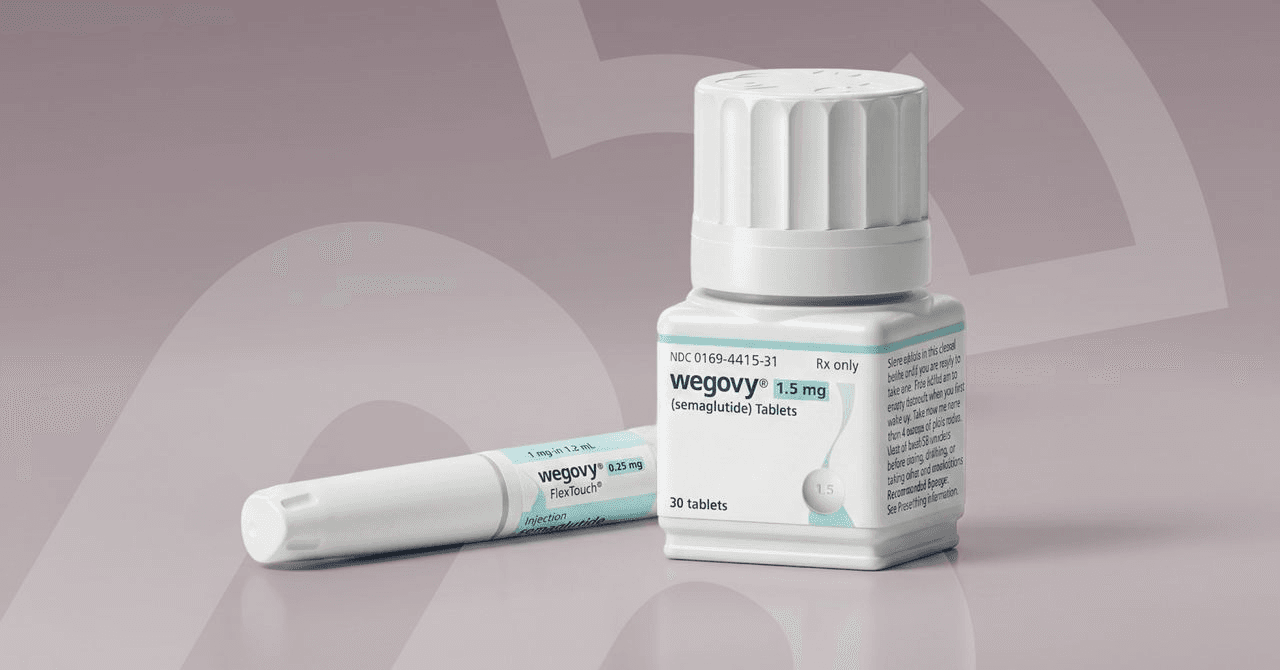
You now have more options than ever when it comes to taking Wegovy. Instead of needing to inject your treatment once a week, you’ll have the option of taking a tablet once a day, first thing in the morning.
With pills now a choice, many people using Wegovy injections may want to switch to Wegovy pills. But is it possible to move from one to the other, and how can you do it safely? Let’s find out together.
Key points
- You can switch from Wegovy injections to the Wegovy pill, and your dose will depend on which injection strength you're currently on.
- Wegovy tablets work in the same way as injections, as they both contain the active ingredient semaglutide.
- Whichever dose you're currently on, always switch under your clinician's guidance so they can find the right dose for you.
How to switch from Wegovy injections to Wegovy tablets
Your clinician will recommend the safest way to switch, including which dose you should start on.
In most cases, you'd stop your injection, wait 7 days, and then start on the corresponding tablet dose. Here's how the doses match up:
Wegovy injection dose | Wegovy pills dose |
|---|---|
0.25mg | 4mg |
0.5mg | 4mg |
1mg | 4mg or 9mg if you had no side effects on the 1mg injection |
1.7mg | 9mg |
2.4mg | 25mg |
If you're on the maximum 7.2mg injection, it's possible to switch to the 25mg tablet. The 25mg pill is less effective than 7.2mg, but slightly more effective than 2.4mg, and has the added benefit of being a daily tablet. So if you're struggling with injections, or feel they don't work with your routine, 25mg may be a better fit for your maintenance dose.
While you make the switch, try to keep your eating and exercise habits consistent, even if you notice some changes to your appetite.
Do Wegovy tablets work in the same way as injections?
Wegovy tablets and Wegovy injections both contain the same active ingredient: semaglutide. Although how they get to work is slightly different due to how they're administered. When you take the tablet, your stomach would normally break the semaglutide down before it can do anything useful, so it's combined with a carrier molecule that acts like a bodyguard, protecting it long enough to be absorbed into your bloodstream.
Specifically, semaglutide is a GLP-1 receptor agonist. GLP-1 is a hormone naturally produced by your body, responsible for managing your blood sugar and regulating your appetite. By mimicking the effects of GLP-1, Wegovy tablets can:
- regulate your blood sugar
- reduce your appetite
- keep you feeling full for longer
Are Wegovy tablets as effective as weight loss injections?
There are slight differences in the effectiveness of Wegovy tablets compared to weight loss injections, including Wegovy and Mounjaro.
The tablets were assessed in the OASIS 4 trial. On average, participants lost up 17% of their starting body weight over 64 weeks. However, there were early responders (people who lost more than 10% of their body weight by week that lost up to 22% on average after 64 weeks.
In comparison, during clinical trials, patients on the highest dose of Wegovy lost 21% of their body weight on average, while those on Mounjaro lost 22%.
While these averages are useful as a broad comparison point, they don’t paint the full picture. Whether you’re on tablets or injections, how much weight you lose will be down to how your body reacts to the medication, how consistently you stick to your treatment, and the lifestyle changes you make.
Your choice of treatment also depends on how much weight you want to lose. For instance, the NHS recommends that a loss of just 5-10% can have transformative effects on your overall health and well-being.
Is it safe to switch from weight loss injections to Wegovy tablets?
If you want to, it is entirely possible to switch from Wegovy injections to Wegovy tablets.
However, you should make the switch under the supervision of a healthcare professional, who can help you do it at the right pace and dose for you. Switching from the injection to the tablet isn’t as simple as just taking one instead of the other. They are absorbed differently by the body, which means they need to be taken at different times and in different amounts.
For example, Wegovy tablets make it to your bloodstream via your digestive system. However, the injection is absorbed directly into your bloodstream, so it is absorbed by the body more efficiently. As a result, you need a lower dose of the injection to achieve the same effect as a higher dose of the tablet.
A healthcare professional will be able to prescribe the right dose of tablet for you, based on the dose of injection you’ve been using. Typically, you will use your final injection, then wait for a week before taking your first Wegovy tablet.
4 reasons to switch from injections to Wegovy tablets
- Convenience: tablets reduce the need for needles, sharps bins, and keeping your medicine refrigerated. This can make them easier to manage than injections. Similarly, you might already take a daily tablet, so feel that adding another to your routine is easier than remembering to inject once a week.
- Maintenance: you might feel that Wegovy tablets can work better for you during the maintenance phase of your weight loss journey, and that’s why you make the switch.
- Accessibility: if you can’t use, or don’t like, injections, Wegovy tablets can allow you to access a treatment that was previously out of reach.
- Preference: tablets might simply appeal to you more than injections. And that’s your call! We’ve here to support you in your weight loss journey, whatever that looks like.
Frequently asked questions about switching from weight loss injections to tablets
Can I switch from Mounjaro to Wegovy pills?
Depending on your side effects while taking Mounjaro, you may be able to switch to Wegovy pills without needing to start on 1.5mg. Below is our guidance for dose conversions between treatments:
Mounjaro injection dose | Wegovy pills dose |
|---|---|
2.5mg | 4mg |
5mg | 4mg |
7.5mg | 9mg |
10mg | 9mg |
12.5mg | 9mg |
15mg | 25mg |
Always switch treatments under guidance from your clinician.
Are side effects worse on Wegovy tablets?
Clinical trials have found that the side effects of Wegovy tend to be similar across the tablets and injections. Common side effects include nausea, constipation, diarrhoea and vomiting.
However, many people don’t experience side effects. Those who do tend to find them to be mild and manageable. They’re most likely to occur when you first start treatment, but they typically go away on their own as your body gets used to the medication.
How often do you take Wegovy tablets?
You will need to take one Wegovy tablet a day, first thing in the morning on an empty stomach. Swallow the tablet whole with no more than 120ml of plain water. Do not take it with sparkling water, coffee, juice, or anything other than plain water. Then, wait at least 30 minutes before you eat, drink anything other than water, or take any other medications.
Will I experience withdrawal symptoms when I stop taking my injections?
Wegovy doesn’t tend to cause withdrawal symptoms. However, you may notice a difference in your appetite, depending on how your body adapts to the different dose. You should discuss any changes you notice with your healthcare provider.
Summary of switching from injections to Wegovy tablets
“Whether you choose Wegovy injections or tablets, the most important thing is to find the right weight loss medication for you.
“There are benefits and downsides to switching from Wegovy injections to Wegovy tablets. Overall, if you don’t like injections, Wegovy tablets could be a better fit. But if you’re not sure, you can always speak to one of our clinicians for personalised advice.”
Aniyah Mansuri, weight loss expert at myBMI
Sources
- Our Medicines. Novo Nordisk. [Accessed 9th June 2026].
- Wegovy Pill Results. (2026). Wegovy. [Accessed 9th June 2026].
- Early Responders to Oral Semaglutide 25mg: A Post Hoc Analysis of the OASIS 4 Trial. (2026). Novo Nordisk. [Accessed 9th June 2026].
- Science Behind GLP-1 in a Pill. (2026). Novo Nordisk. [Accessed 9th June 2026].
- Starting Wegovy Pill. (2026). Wegovy. [Accessed 9th June 2026].
- Medicines and Healthcare Products Regulatory Agency. GOV.UK. [Accessed 9th June 2026].
- NICE Homepage. NICE. [Accessed 9th June 2026].
- Oral Semaglutide at a Dose of 25mg in Adults with Overweight or Obesity. (2025). New England Journal of Medicine. [Accessed 9th June 2026].
- Wegovy Tablets Prescribing Information. (2025). FDA. [Accessed 9th June 2026].
- Semaglutide for Managing Overweight and Obesity. (2023). NICE. [Accessed 9th June 2026].
- Once-Weekly Semaglutide 7.2mg in Adults with Obesity (STEP UP). (2025). PubMed. [Accessed 9th June 2026].
- Wegovy® Safety and Side Effects. Novo Nordisk. [Accessed 9th June 2026].
- Weight Management Injections (Including Semaglutide). NHS England. [Accessed 9th June 2026].
- How to Start Wegovy®. Novo Nordisk. [Accessed 9th June 2026].
- Obesity Management and Pharmacotherapy (2025). BMJ. [Accessed 9th June 2026].
- Effect of Semaglutide on Weight Management (2025). New England Journal of Medicine. [Accessed 9th June 2026].
- Semaglutide Tablets (Rybelsus®): Changes in Formulation, Dosing and Tablet Size (2025). NHS Tayside Area Drug and Therapeutics Committee. [Accessed 9th June 2026].
- EMA Concludes Review of Weight-Management Medicine Mysimba. European Medicines Agency. [Accessed 9th June 2026].
- Pharmacological Treatment of Obesity: A Review (2011). International Journal of Obesity. [Accessed 9th June 2026].
- Semaglutide and Long-Term Weight Outcomes (2025). PubMed. [Accessed 9th June 2026].
- Semaglutide: Uses, how it works and side effects. (2025). Diabetes UK. [Accessed 9th June 2026].
- What is Wegovy? Uses, how it works and side effects. (2025). Diabetes UK. [Accessed 9th June 2026].
- Weight regain and cardiometabolic effects after withdrawal of semaglutide: The STEP 1 trial extension. (2021). Diabetes, Obesity and Metabolism. [Accessed 9th June 2026].
- Oral semaglutide 50 mg taken once per day in adults with overweight or obesity (OASIS 1): a randomised, double-blind, placebo-controlled, phase 3 trial. (2023). The Lancet. [Accessed 9th June 2026].