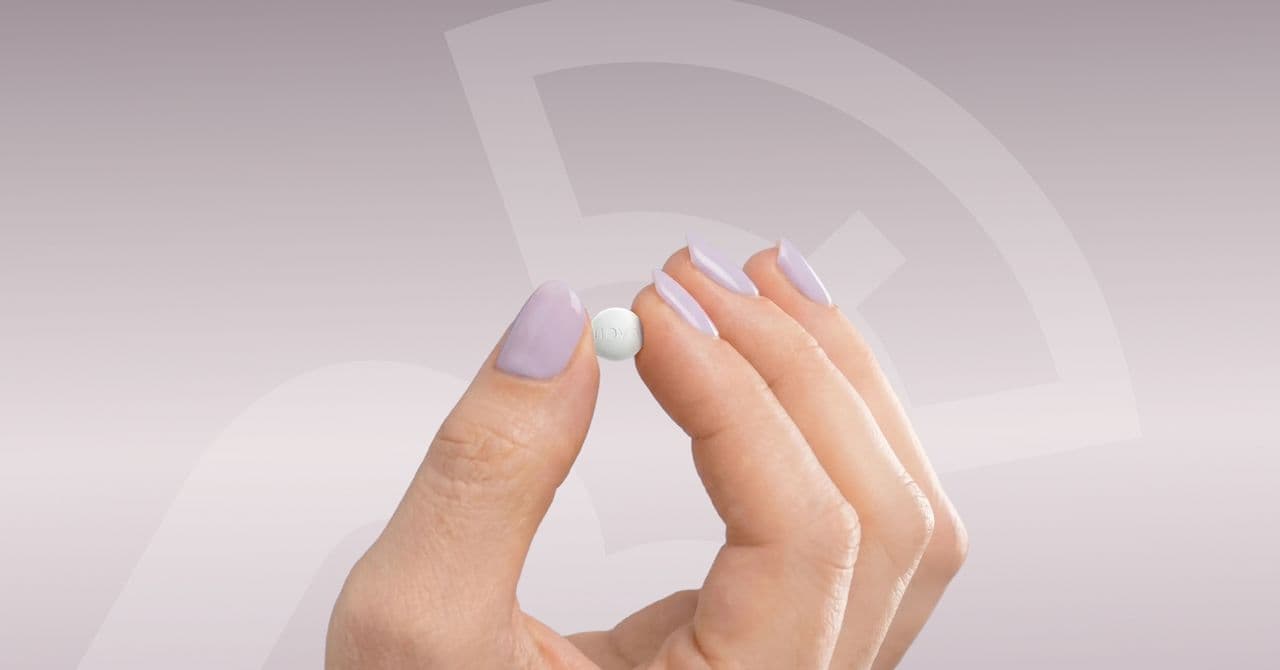
Weight loss injections vs tablets: usage, efficacy, cost
Written by:
%201.jpg&w=3840&q=75)
11 Jun 2026 • 10 min read
Reviewed and fact-checked:
.png&w=3840&q=75)

Choosing between weight loss injections and tablets isn’t always straightforward. Both options are widely used and medically approved, but they differ in how they work, how you take them, and the results you can expect.
With newer treatments continuing to expand what’s available, it’s becoming increasingly important to understand how each approach fits into your weight loss journey.
Below, we break down the key differences to help you compare your options and decide what might work best for you.
Key points
- Weight loss injections tend to have shown higher average weight loss in clinical trials but can be more expensive.
- Tablets are an alternative for weight loss maintenance or for those who don't like needles
- New tablets under development are beginning to bridge the gap between convenience of tablets and efficacy of injections.
Weight loss injections and tablets at a glance
Mounjaro | Wegovy | Saxenda | Wegovy tablets | Orlistat/Xenical | Alli | Mysimba | |
|---|---|---|---|---|---|---|---|
Indication | Injection | Injection | Injection | Tablet | Capsule | Capsule | Tablet |
Active ingredient | tirzepatide | semaglutide | liraglutide | semaglutide | orlistat | orlistat | bupropion/naltrexone |
Directions | Once-weekly self-injection | Once-weekly self-injection | Daily injection; gradually increase dose weekly to maintenance | One tablet taken one daily. | Three tablets a day, taken with meals. | Three tablets a day, taken with meals. | Tablets daily; dose increases over four weeks to maximum |
Effectiveness in clinical trials | |||||||
Cost | £169 - £309 | £119 - £279 | £375 - £750 | £99-£199 | £30 - £45 | £49 - £60 | £100 - £120 |
Availability | Prescription only medication available following a consultation. | Prescription only medication available following a consultation. | Prescription only medication available following a consultation. | Prescription only medication available following a consultation. | Prescription only medication available following a consultation. | Available over the counter. | Prescription-only medication, available following a consultation.
|
Common side effects | Nausea, diarrhoea, constipation | Nausea, vomiting, diarrhoea, constipation | Nausea, vomiting, diarrhoea, headache | Nausea, stomach upset, constipation | Oily stools, urgency to go to the toilet, flatulence | Oily stools, urgency to go to the toilet, flatulence | Nausea, headache, dizziness, dry mouth |
What’s the difference between weight loss injections and tablets?
Weight loss injections and tablets both help you lose weight, but they work in different ways and deliver different results.
Understanding the differences can help you choose the option that best fits your lifestyle, goals, and eligibility.
How they work
Weight loss injections and tablets target weight loss in very different ways, as they all have different active ingredients and belong to different drug classes.
Weight loss injections like Wegovy, Mounjaro and Saxenda all belong to a group of medicines known as GLP-1 receptor agonists. They work by copying a hormone produced in the gut, influencing hormones like ghrelin and leptin to regulate blood sugar, slow digestion and reduce appetite.
Unlike treatments that contain semaglutide or liraglutide, Mounjaro's active ingredient, tirzepatide also acts on GIP receptors, which are becoming an increasingly important focus in obesity treatment research.
Wegovy tablets also fall into this category, and work in the same way. But because they're a tablet, they're combined with a carrier molecule that acts as a bodyguard, keeping the active ingredient semaglutide protected long enough to reach your bloodstream so it can work.
Other weight loss tablets work slightly differently, depending on which one you choose. Orlistat (Xenical/Alli/Orlos) capsules work by blocking the chemicals in your gut that digest fats, meaning they’re not stored and instead get passed when you go to the toilet.
Mysimba on the other hand is again slightly different. Mysimba works by targeting the areas of the brain that are that control and manage appetite, helping clear food noise and making it easier to stick to a calorie-controlled diet.
How you take them
Most weight loss injections are taken once a week using a pre-filled pen under the skin, making them a lower-maintenance option if you’re okay with needles. However, some injections (like Saxenda) are taken daily instead.
Currently, tablets need to be taken every day. Wegovy pills are taken once a day on an empty stomach, 30 minutes before food, drink and any other medications. Orlistat-based pills, on the other hand, are taken 3 times a day with meals, while Mysimba gradually increases from 1 tablet in the morning to 2 tablets twice a day.
There is also Foundayo, which has been approved in the USA and is awaiting approval in the UK. It's taken once a day, and had no timing or food and drink restrictions during clinical trials.
How convenient your weight loss treatment is to take is just one of the pros and cons of weight loss treatment that you'll have to way up. Thankfully, we've written a whole guide breaking down all the things you'll have to consider before starting.
Effectiveness
While both options can help you on your journey, on average, in clinical trials injections tended to lead to greater weight loss than tablets.
Newer injectable treatments like Wegovy and Mounjaro may help patients lose around 21-25% total weight loss on average, while older treatments like Saxenda generally lead to weight loss of roughly 5-10%.
Tablets tend to offer more moderate results, with most treatments (like orlistat and Mysimba) leading to around 5–10% weight loss on average.
Wegovy tablets have shown an average weight loss of 17% in clinical trials, making them closer in effectiveness to once-weekly injections than older oral treatments.
It’s important to remember that these results are averages from clinical trial settings, and individual results can vary.
Side effects
Weight loss injections and tablets can both cause side effects, but they tend to affect the body in slightly different ways.
Injections are more likely to cause digestive side effects, particularly when starting treatment, like:
- nausea
- diarrhoea
- constipation
There’s also a chance of skin irritation around where you choose to inject your treatment.
You can find out more by reading our guides on Wegovy side effects and Mounjaro side effects.
Tablet side effects vary depending on how the treatment works. Some, like orlistat, can cause gut-related effects (like changes to your bowel habits), while others like Mysimba work in the brain, which may lead to symptoms like headaches or dizziness.
Most side effects are mild and improve over time as your body adjusts, but the type and severity can vary depending on the treatment you’re using.
They don't affect everyone, and most people find them manageable. Your prescriber will be able to help if you're struggling.
Price
While prices vary depending on what your chosen pharmacy, below is an indication of how much you’ll pay for your weight loss treatment:
- Mounjaro - £169 - £309
- Wegovy - £119 - £279
- Wegovy tablets - £99 - £199
- Saxenda – approx. £375 - £750
- Generic orlistat - £33.59 for one months’ supply
- Xenical - £45.99 for one months’ supply
- Mysimba - £99.99 for one months' supply
All prices listed are subject accurate at the time of writing this article, though could be subject to change in the future.
Eligibility
Most prescription weight loss injections, like Mounjaro, Wegovy, and Saxenda, are only available after a consultation.
On the NHS, they’re usually offered to people with:
- a BMI of 35 or higher and one or more weight related health conditions
Privately, eligibility is often broader for injections, with the main requirement usually being:
- a BMI of 30 or higher (27 or higher depending on ethnic background)
Prescription options like Wegovy tablets and Mysimba follow similar BMI criteria, while orlistat may also be available over the counter in addition to a consultation. It’s available at a lower dose (Alli, Orlos), typically for people with a BMI of 28 or above.
Can you switch from weight loss injections to tablets?
Yes, you can switch from weight loss injections to tablets, whether it be because you’re looking for a different way to manage your weight, or a needle-free treatment plan.
Tablets are a valid alternative to help you continue your weight loss journey, but if you’re considering making any changes to your current treatment plan, then you should always discuss this with your prescriber first. They will be able to help guide you through the transition, and what you can expect.
Frequently asked questions about weight loss injections vs tablets
What’s the most effective weight loss treatment?
In clinical trials, weight loss injections have tended to lead to greater average weight loss than tablets, particularly newer treatments like Mounjaro and Wegovy. However, tablets can still be effective, especially for people who prefer a non-injectable option.
Do weight loss tablets actually work?
Yes, weight loss tablets can be effective when used alongside a healthy diet and regular exercise.
Most treatments, like orlistat and Mysimba, can help people lose around 5–10% of their body weight on average, although results vary depending on the medication and how consistently it’s taken.
What’s the strongest prescription weight loss pill?
In terms of effectiveness based on clinical trials, Wegovy pills are the ‘strongest’ prescription weight loss tablets currently available. They produced an average weight loss of 17% in clinical trials, rising to 22% for early responders (classed as patients who lost at least 10% of their starting weight by week 16).
Ultimately, however, there is no single ‘strongest’ or ‘best’ weight loss tablet. It depends on how your body reacts to the treatment, and what you’re looking to get from it.
Summary of weight loss injections vs tablets
“When it comes to choosing between weight loss injections and tablets, there isn’t a one-size-fits-all answer. It really depends on what’s right for your body, your goals, and where you are in your weight loss journey.
“Injections can be a good option if you’re looking for more significant weight loss or haven’t seen results with other treatments. Tablets, on the other hand, can be easier to take day-to-day and may be a better fit if you prefer a non-injectable option or are thinking about longer-term treatment.
“What matters most is finding something you can use consistently and feel comfortable with. A healthcare professional can help you weigh up your options and choose the treatment that best supports your needs.”
Ayesha Bashir, weight loss expert at myBMI
Sources
- Naltrexone–bupropion (Mysimba) in management of obesity: A systematic review and meta‐analysis of unpublished clinical study reports. PubMed. [Accessed 19 May 2026]
- Evaluation of efficacy and safety of orlistat in obese patients. PubMed. [Accessed 19 May 2026]
- Oral Semaglutide at a Dose of 25 mg in Adults with Overweight or Obesity. NEJM. [Accessed 19 May 2026]
- Once-weekly semaglutide 7·2 mg in adults with obesity (STEP UP): a randomised, controlled, phase 3b trial (2025). PubMed. [Accessed 19 May 2026]
- Orforglipron, an Oral Small-Molecule GLP-1 Receptor Agonist for Obesity Treatment (2025). PubMed. [Accessed 19 May 2026]
- Alli (previously Orlistat GSK). EMA. [Accessed 19 May 2026]
- Orlistat 60 mg Reduces Visceral Adipose Tissue: A 24-Week Randomized, Placebo-Controlled, Multicenter Trial. Wiley Online Library. [Accessed 19 May 2026]

.png&w=3840&q=75)