Mounjaro (tirzepatide) side effects & how to treat them
Written by:
-2.png&w=3840&q=75)
17 Feb 2026 • 28 min read
Mounjaro can cause side effects, especially when you first start or increase your dose. Most are mild, short-lived, and linked to how treatment affects your appetite and digestion. Some people notice them, while others don’t experience any at all. Your journey is individual, and your response will be too.
Understanding potential side effects puts you in a stronger position to manage them and keep moving forward with confidence. This guide covers what you might experience, how common these effects are, practical ways to ease them, and when to seek medical advice.
Key points
- Most Mounjaro side effects affect the digestive system and usually improve as your body adjusts to treatment.
- Side effects often relate to dose increases, eating patterns, hydration, and how quickly treatment is stepped up.
- Most side effects can be managed at home with lifestyle and diet changes or over the counter treatments.
What are the side effects of Mounjaro?
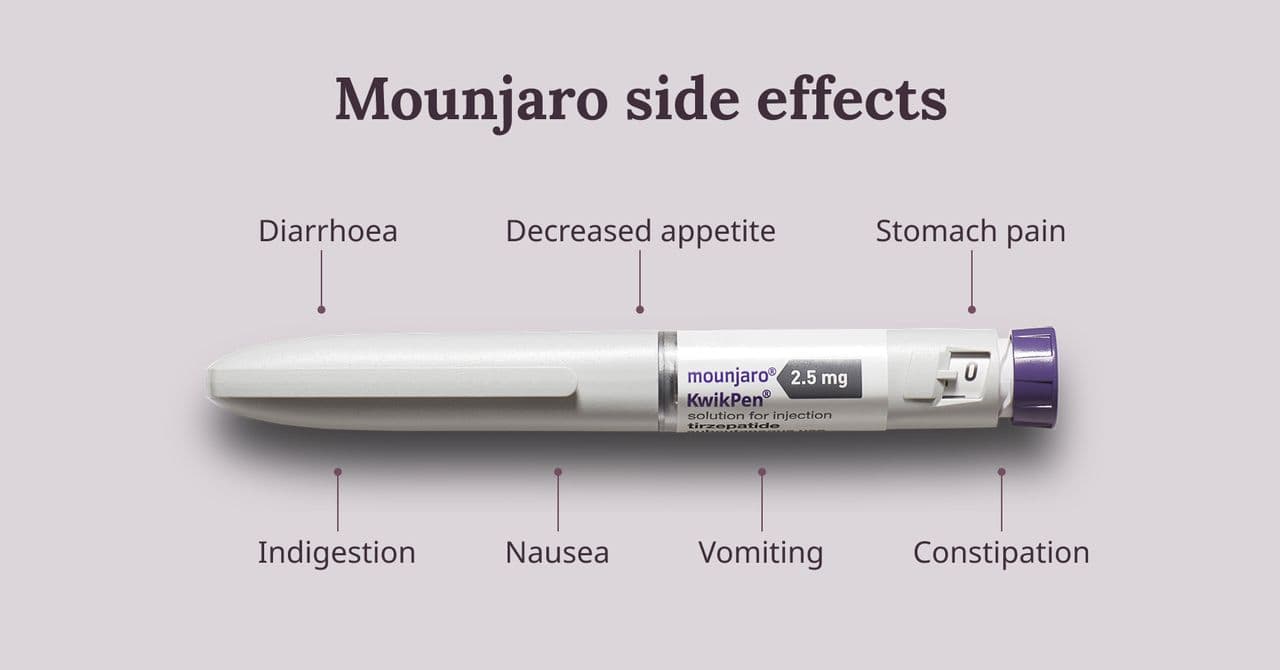
Mounjaro side effects include nausea, vomiting, diarrhoea, constipation, stomach pain, bloating, and acid reflux. Most are mild, often linked to how the medication affects your stomach and appetite, and improve over time, particularly after the early weeks of treatment or dose increases.
Side effects are most common at the start of treatment or after increasing the dose, as the body adapts to the medication. This is why Mounjaro is introduced gradually, starting with a lower dose to help reduce the intensity and duration of symptoms.
Non-digestive symptoms like headaches, dizziness or tiredness can occur, but are more common if you're not eating or drinking enough while taking Mounjaro. They usually improve as you settle into a healthy eating routine, while making sure you stay hydrated.
Like with all medications, there are some severe Mounjaro side effects, but these are extremely rare.
“Starting Mounjaro can bring up a lot of questions, especially around side effects. While some are common, many people do not experience them at all, and when they do appear they are often mild and temporary. Small, realistic lifestyle habits such as eating regularly, choosing nourishing foods, drinking enough water, and keeping active can help your body adjust more comfortably.
We make sure you have clear guidance from day one so you feel informed rather than overwhelmed. But if something doesn't feel right, or you're finding it harder than expected, please get in touch. You should never feel like you have to manage it alone. Supporting you through every stage of treatment is exactly what we are here for.”
Ayesha Bashir, myBMI weight loss expert
Common Mounjaro side effects
The most common Mounjaro side effects (affecting more than 1 in 10 people) are:
- nausea
- Vomiting
- diarrhoea
- constipatio
- stomach pain
- bloating
- acid reflux
Most of these common side effects happen because Mounjaro slows how quickly food leaves your stomach. This can make stomach-related symptoms more noticeable at first, especially in the early weeks or after a dose increase. For most people, these settle as the body adjusts, without needing to stop treatment.
You can often ease these symptoms by eating smaller portions, choosing lighter foods, slowing down when you eat, and staying upright after meals. Simple changes like these can make a big difference to how you feel.
Nausea
Nausea is one of the most common Mounjaro side effects, especially in the first few weeks or after increasing your dose. It can feel like queasiness, an unsettled stomach, or the sensation that you might be sick, sometimes making food less appealing.
This happens because Mounjaro slows how quickly food leaves your stomach to make you feel fuller or longer. While this supports weight loss, it can take a little time for your body to adjust. Fortunately, nausea often quickly improves as treatment continues.
Nausea is more likely to occur after large or high-fat meals, eating too quickly or lying down soon after eating. Eating smaller portions, slowing down meals, staying well hydrated and avoiding rich foods can all help reduce symptoms.
If nausea is severe, persistent, or prevents you from eating or drinking, seek urgent medical advice.
Vomiting
Vomiting can occur when starting Mounjaro or increasing your dose, as your body adjusts to the medication. You may feel suddenly unwell or be sick, which is linked to the way Mounjaro affects your stomach and digestion. While unpleasant, this side effect is usually temporary and tends to improve as treatment continues.
There is a risk of dehydration if vomiting becomes frequent or persistent. Warning signs include dark urine, dizziness, a dry mouth, reduced urination, and feeling unusually weak. These symptoms need prompt medical assessment, especially if you are unable to keep fluids down.
Mild vomiting can often be managed by eating smaller meals, avoiding fatty or very rich foods, and taking regular sips of water. However, ongoing vomiting or symptoms lasting more than a few days should be discussed with a medical professional, as a treatment review or temporary dose adjustment may be needed.
Diarrhoea
Diarrhoea is another side effect some people experience when starting Mounjaro or moving up a dose. You may notice looser or more frequent bowel movements than usual as your digestive system responds to the medication. This is typically mild and improves as your body adapts.
Although usually short-lived, frequent diarrhoea can lead to dehydration. Look out for signs like dark urine, dizziness, thirst, a dry mouth, or unusual fatigue, and seek medical advice if they occur.
Occasional loose stools can often be managed by eating smaller portions, limiting high-fat or rich foods, and staying well hydrated.
If diarrhoea is severe, persistent, or continues for several days, it is important to speak to a healthcare professional to review your treatment and make sure you are properly supported.
Stomach pain and abdominal discomfort
Stomach pain and abdominal discomfort are common Mounjaro side effects and are usually also linked to digestion. Mild cramping, early fullness or post-meal discomfort is expected early on in treatment or after dose increases and tends to improve with time.
Mild abdominal discomfort is often caused by food remaining in the stomach for longer than usual. This can feel like heaviness, bloating, or aching after meals, particularly if portions consumed are large or high in fat. Eating smaller meals more slowly and stopping when comfortably full can help reduce symptoms.
Severe, persistent, or worsening abdominal pain is not normal and should be assessed by a medical professional urgently, especially if it is constant, intense, or moves to the back.
Acid reflux, burping, and bloating
Acid reflux, burping, and bloating are common Mounjaro side effects. They are usually caused by the stomach emptying more slowly, which can increase feelings of fullness after eating. Symptoms are typically mild, often happen after meals, and tend to improve as your body adjusts to treatment.
Acid reflux
Slower digestion means food and stomach acid stay in the stomach for longer. This can increase pressure and allow acid to travel upwards, causing a burning sensation in the chest or throat. Reflux is more likely after large meals, rich or spicy foods, or lying down too soon after eating.
Burping
Burping can happen when excess gas builds up in the digestive system. Eating quickly, talking while eating, or consuming heavy meals can increase the amount of air swallowed, making burping more noticeable while your body adapts to the medication.
Bloating
Bloating occurs when gas becomes trapped in the stomach or intestines, leading to a feeling of tightness or swelling in the abdomen. It is often temporary but may feel more pronounced after high-fat meals or larger portions.
How to help manage these symptoms
- Eat smaller, more frequent meals
- Slow down at mealtimes and chew thoroughly
- Limit rich, fatty, or spicy foods
- Stay upright for at least 30 minutes after eating
If reflux is severe, persistent, or linked with chest pain, seek medical advice to rule out other causes and make sure you are properly supported.
Mounjaro headaches
Headaches are a common Mounjaro side effect and are most often linked to reduced food intake, dehydration, or changes in blood sugar, particularly when starting treatment or after a dose increase. They are usually mild and improve as eating and hydration stabilise.
Drinking fluids regularly, eating small, balanced meals, and avoiding long gaps without food can help reduce headaches. Headaches that are severe, persistent, or associated with vision changes, confusion, or fainting should be medically assessed to rule out other causes.
Mounjaro dizziness
Dizziness is a common Mounjaro side effect and is often related to reduced calorie intake, dehydration, or changes in blood sugar, particularly when starting treatment or after a dose increase. It is usually mild and tends to improve as the body adapts.
Dizziness may be more noticeable when standing up quickly, after missing meals or not drinking enough fluids. In people taking other medicines for diabetes, low blood sugar can also contribute, especially if dizziness is frequent or worsening.
Maintaining regular meals, adequate hydration, and standing up slowly can help reduce symptoms. Dizziness that is severe, persistent, associated with fainting, chest pain, or confusion should be assessed urgently.
Mounjaro side effects after eating
Mounjaro side effects after eating can include nausea, bloating, stomach discomfort, and acid reflux, particularly after large or high-fat meals. These happen because Mounjaro slows stomach emptying, meaning food stays in the stomach for longer and can feel uncomfortable while the digestive system adapts.
Because digestion is slowed, eating large portions of rich, fatty foods can increase pressure on the stomach and worsen symptoms such as reflux, burping, or nausea. Eating quickly can have a similar effect, as it gives the stomach less time to signal fullness.
Spacing meals evenly, choosing smaller portions, and avoiding very high-fat meals can help reduce post-meal symptoms. Some people also find that symptoms are worse in the first few days after an injection and improve as the week goes on.
If symptoms after eating are severe, persistent, or prevent normal food or fluid intake, seek medical advice to rule out dehydration or other complications.
Blood sugar-related side effects
Blood sugar-related side effects with Mounjaro are uncommon but can occur, particularly in people with diabetes who take other glucose-lowering medicines. These effects tend to be linked to the fact Mounjaro improves insulin response and lowers blood glucose levels.
Mounjaro lowers blood glucose in a glucose-dependent manner, meaning it prompts insulin production when blood sugar levels are higher; as such, it does not usually cause low blood sugar on its own. However, when combined with other diabetes medicines, closer monitoring is sometimes needed. The specific risks and actions to take are explained below.
Low blood sugar (hypoglycaemia)
Low blood sugar (hypoglycaemia) is a recognised side effect of Mounjaro when used alongside insulin or sulfonylureas. It occurs when the combined blood sugar-lowering effects of these medicines reduce glucose levels too far.
People most at risk include those who:
- have type 2 diabetes
- use insulin or sulfonylurea
- miss meals
- have recently increased their dose
Symptoms of low blood sugar can include:
- shaking
- sweating
- dizziness
- hunger
- headache
- confusion
- feeling faint
If hypoglycaemia is suspected, it should be treated immediately with fast-acting carbohydrates, such as glucose tablets or a sugary drink.
Frequent, severe, or unexplained episodes should be reviewed by a doctor, as medication doses may need adjustment.
Changes in blood glucose levels
Changes in blood glucose levels can occur with Mounjaro, particularly in people with diabetes or those using other glucose-lowering medicines. Rather than being a harmful side effect, these changes reflect how Mounjaro improves insulin response and reduces glucose levels.
Because Mounjaro alters how the body releases insulin and handles glucose, blood sugar readings may change as treatment begins or doses are adjusted. This is expected and is part of how the medication works, but it makes monitoring important for people with diabetes.
Monitoring helps identify low or high readings early, particularly during dose increases or when other diabetes medicines are used at the same time.
Any frequent or unexpected changes in blood glucose levels should be reviewed by a clinician to ensure treatment remains safe and effective.
Less common Mounjaro side effects
Some of the rarer Mounjaro side effects include changes in heart rate and hair loss. These are reported far less often than digestive symptoms, and most people will not experience them at all. When they do occur, they are often linked to the body adjusting to weight loss, metabolic changes, or the overall treatment journey.
Increased heart rate
An increased heart rate is a less common side effect of Mounjaro. It is usually mild and temporary, and may be related to metabolic changes, weight loss, or the body adjusting to treatment rather than a direct effect of the medication.
Some people may notice a faster heartbeat, palpitations, or increased awareness of their heart rate, particularly early in treatment or after dose increases. In most cases, this settles as the body adapts.
A persistently rapid heart rate, new palpitations, chest pain, shortness of breath, or dizziness should be medically assessed, especially in people with existing heart conditions or those taking medicines that affect heart rhythm.
Hair loss
Hair loss is a less common side effect reported with Mounjaro and is usually temporary. When it occurs, it is more often linked to rapid weight loss or changes in nutrition rather than a direct effect of the medication itself.
Hair shedding during weight loss is often due to a temporary shift in the hair growth cycle, sometimes referred to as telogen effluvium. It can be triggered by rapid weight loss, reduced calorie intake, or changes in protein and micronutrient intake, and usually resolves once weight and nutrition stabilise.
If hair loss is severe, ongoing, or continues after weight loss has slowed, speak to a doctor to rule out other causes such as nutritional deficiencies, thyroid conditions, or unrelated hair disorders.
Injection-site side effects
Injection-site side effects of Mounjaro can include:
- redness
- swelling
- itching
These reactions are usually mild, short-lived, and improve as the skin adjusts to repeated injections.
Injection-site reactions are more likely if the same area is used repeatedly or if the injection is given into irritated skin.
Rotating between injection sites on the abdomen, thigh, and upper arm helps reduce the risk of local reactions.
Skin reactions that are mild and settle within a few days are expected. However, persistent swelling, worsening pain, spreading redness, warmth, or signs of infection should be checked by a doctor.
Severe and serious Mounjaro side effects
Severe and serious Mounjaro side effects are rare but require urgent medical attention. These symptoms are not part of normal treatment adjustment and should never be ignored.
Seek urgent medical help if you experience:
- severe or persistent abdominal pain (especially if it does not improve or becomes intense)
- upper abdominal pain that spreads to the back
- ongoing or uncontrollable vomiting that prevents eating or drinking
- right-sided abdominal pain, particularly after meals, which may indicate gallbladder problems
- signs of acute kidney injury such as very low urine output, dark urine, or extreme fatigue
- allergic reactions including swelling of the face, lips, tongue, or throat, difficulty breathing, or a widespread rash
Severe stomach pain
Severe stomach pain requires urgent medical attention. Unlike mild digestive discomfort, this pain is intense, persistent, or worsening, and may be constant rather than linked to meals.
Severe stomach pain may feel sharp, deep, or continuous and does not settle with time, rest, or dietary changes. Pain that spreads to the back, is accompanied by ongoing vomiting, fever, or feeling unwell is particularly concerning and should not be managed at home.
If you have severe stomach pain, you should not take Mounjaro again until you have seen a doctor.
Acute pancreatitis
Acute pancreatitis is a rare but serious complication associated with Mounjaro that requires immediate medical attention. It typically causes severe upper abdominal pain that may spread to the back and is often accompanied by ongoing nausea and vomiting.
The pain of acute pancreatitis is usually sudden, intense, and persistent, and does not improve with rest or simple pain relief. Vomiting is often frequent and severe, and people may feel very unwell. These symptoms are different from the mild digestive side effects discussed above.
Risk factors include:
- a history of pancreatitis
- gallstones
- high triglyceride levels
- heavy alcohol use
If acute pancreatitis is suspected, Mounjaro should be stopped and you should see a doctor.
Gallbladder problems
Gallbladder problems are an uncommon but serious side effect reported with Mounjaro which may be linked to rapid weight loss during treatment. These effects typically cause pain on the right side or in the upper abdomen and need prompt medical assessment.
Gallbladder problems including gallstones can develop when weight loss happens quickly. Pain is often felt in the upper right side of the abdomen and may occur after eating, particularly after fatty meals. You may also experience nausea, vomiting, fever, or pain that spreads to the shoulder.
If gallbladder symptoms are suspected, you should see a doctor straight away. Ongoing or severe pain should not be managed at home, as gallbladder complications may require investigation or treatment.
Acute kidney injury
Acute kidney injury is a rare but serious side effect reported with Mounjaro, most often linked to severe dehydration from ongoing vomiting or diarrhoea. It requires urgent medical assessment and should not be managed at home.
Acute kidney injury can develop if fluid losses are not replaced, particularly during prolonged vomiting, diarrhoea, or reduced fluid intake. Warning signs include:
- very low urine output
- dark urine
- swelling in the legs or ankles
- extreme tiredness
- confusion
People with existing kidney disease, older adults, or those taking medicines that affect kidney function are at higher risk. If symptoms suggestive of kidney injury occur, Mounjaro injections should be paused, and you should speak to a doctor.
Allergic reactions
Allergic reactions to Mounjaro are rare but can be serious and require immediate medical attention. Reactions may range from mild skin symptoms to severe swelling or breathing difficulties and should never be ignored.
Mild allergic reactions may include:
- itching
- rash
- localised swelling
More severe reactions can involve:
- swelling of the face, lips, tongue, or throat
- difficulty breathing or swallowing
- dizziness
- a widespread rash
These symptoms can develop rapidly. If signs of a severe allergic reaction occur, call 999. Mounjaro should not be used again unless advised by a healthcare professional.
“It is completely understandable to read about serious side effects and feel concerned, but it helps to keep them in context. These reactions are very rare, and most people move through treatment without experiencing anything severe. Before you begin, we carefully assess your health history, and we increase doses gradually so your body has time to adapt safely.
For many patients, the health gains that come with weight loss far outweigh the small risk of serious side effects. Try to focus on the positive step you are taking for your health. And if you ever feel unsure or need reassurance, our clinical team is always here to listen and guide you forward.”
Ayesha Bashir, myBMI weight loss expert
Thyroid-related side effects
Thyroid-related side effects with Mounjaro are rare but are included as a safety warning because of findings seen in animal studies. A possible increased risk of a specific type of thyroid cancer has not been confirmed in humans but requires caution in certain people.
Mounjaro should not be used by people with a personal or family history of medullary thyroid carcinoma or those with multiple endocrine neoplasia syndrome type 2 (MEN 2). For people without these risk factors, thyroid-related side effects are considered very unlikely.
Eye-related side effects
Eye-related side effects with Mounjaro are uncommon and mainly affect people with diabetes, particularly those with existing diabetic eye disease. Rapid improvements in blood glucose levels can temporarily worsen diabetic retinopathy in some individuals.
Changes in vision can include blurred vision or a temporary worsening of existing diabetic retinopathy, particularly during the early months of treatment or after dose increases. This happens because sudden changes in blood glucose can affect the small blood vessels in the eyes.
People with diabetes should continue regular eye screening while using Mounjaro. You should see a doctor if you experience any new or worsening vision changes, such as:
- blurred vision
- dark spots
- flashes of light
- sudden vision loss
For people without diabetes or without existing eye disease, eye-related side effects are considered very unlikely.
Long-term side effects of Mounjaro
Long-term side effects of Mounjaro are still being studied, but the longest clinical trials so far have found no long-term side effects directy caused by Mounjaro. What clinicians are seeing over time is consistent with the early stages of treatment, with digestive symptoms remaining the most commonly reported.
Do Mounjaro side effects differ by dose?
Mounjaro side effects can vary according to the dose prescribed. Symptoms are more likely to appear or temporarily worsen when the dose is increased, which is expected and reflects how the body adjusts to higher levels of the medication rather than a sign that treatment is unsafe.
Side effects are usually most noticeable when starting Mounjaro at 2.5 mg and when increasing to higher doses such as 5 mg, 7.5 mg, and beyond. Digestive symptoms like nausea, vomiting, diarrhoea, and bloating are the most commonly reported side effects after dose changes.
Dose increases temporarily raise the activity of GLP-1 and GIP hormones, which can intensify appetite suppression and slow digestion further until the body adapts. This is why side effects often settle again after a few weeks at a stable dose.
Gradual dose increases or titration is used to reduce side effects and improve the tolerabily of the medication. Staying on the same dose for longer, delaying a dose increase, or reducing the dose may be considered if side effects are difficult to manage, but it should always be discussed with your doctor.
How long do Mounjaro side effects last?
Most Mounjaro side effects are temporary and improve within a few weeks as the body adjusts to the medication, particularly after starting treatment or increasing the dose. Persistent or worsening symptoms are not expected and should be discussed with a medical professional.
For many people, digestive side effects such as nausea, diarrhoea, bloating, or stomach discomfort are most noticeable in the first 2 to 4 weeks of treatment, or after a dose increase. As digestion adapts and eating patterns stabilise, these symptoms usually lessen or resolve.
Side effects may temporarily come back after each dose increase, then settle again once the dose remains stable. This is why gradual dose titration is used and why some people benefit from staying on a lower dose for longer.
Symptoms that last longer than expected, interfere with eating or drinking, or worsen over time are not typical and should be assessed by a doctor. Severe abdominal pain, ongoing vomiting, frequent dizziness, or signs of dehydration need immediate medical advice, even if you have previously tolerated Mounjaro well.
Mounjaro side effects in non-diabetics
Mounjaro side effects in non-diabetics are typically similar to those seen in people with diabete and are mainly digestive, including nausea, diarrhoea, and stomach discomfort.
In people without diabetes, Mounjaro still slows digestion and reduces appetite, so digestive side effects remain the most common. These are usually most noticeable early on in treatment or after dose increases and tend to improve as the body adapts to the medication.
Low blood sugar is uncommon in non-diabetics because Mounjaro’s effects on insulin release are glucose-dependent. This means that insulin is released when blood sugar levels are higher, reducing the risk of hypoglycaemia (low blood sugar) unless other glucose-lowering medicines are being used in conjunction with Mounjaro.
As with all users, severe or persistent symptoms, new severe abdominal pain, ongoing vomiting, or signs of dehydration should be medically reviewed by a doctor, regardless of diabetes status.
Mounjaro vs Wegovy side effects
Mounjaro and Wegovy have similar side effects. Most people experience digestive symptoms such as:
- nausea
- vomiting
- diarrhoea
- stomach discomfort
Side effects are common early on in treatment or after dose increases, but different people have different tolerances to the medications which translates into varying symptoms.
Both medicines work by affecting appetite and digestion, which is why their side effects overlap. Nausea is the most commonly reported symptom with both treatments, particularly during the dose-escalation phase. Vomiting, diarrhoea, constipation, bloating, and reflux can also occur.
Some people find one medicine easier to tolerate than the other, but there is no reliable way to predict this in advance. Variations in dose schedules, how strongly appetite is suppressed, and individual sensitivity to gut hormone changes can all influence how side effects are perceived.
As with Mounjaro, Wegovy side effects tend to improve once a stable dose is reached. Gradual dose increases are used with both treatments to reduce side effects and improve tolerability. Severe or persistent symptoms with either medicine should be medically reviewed.
When should I seek urgent medical help?
You should seek urgent medical help if you develop symptoms that may indicate a serious reaction rather than expected treatment adjustment.
Seek urgent medical help if you experience:
- severe or persistent abdominal pain, especially if it is intense, worsening, or not linked to meals
- upper abdominal pain that spreads to the back, with or without nausea or vomiting
- ongoing or uncontrollable vomiting that stops you from eating or drinking
- right-sided abdominal pain, particularly after meals
- signs of pancreatitis, such as severe stomach pain with vomiting and feeling very unwell
- signs of acute kidney injury, including very low urine output, dark urine, swelling in the legs or ankles, or extreme tiredness
- allergic reactions, such as swelling of the face, lips, tongue, or throat, difficulty breathing or swallowing, or a widespread rash
- sudden or worsening vision changes, including blurred vision, flashes of light, or sudden vision loss
These symptoms, while uncommon, are not expected side effects and should not be managed at home. If symptoms are severe or rapidly worsening, call 999.
Will I get withdrawal side effects from stopping Mounjaro?
Mounjaro does not cause withdrawal side effects in the way addictive medicines do. However, stopping treatment can lead to a return of appetite and changes in blood sugar control, which some people notice as symptoms rather than true withdrawal.
When you stop taking Mounjaro, its appetite-suppressing and glucose-lowering effects wear off over time. This can lead to increased hunger, changes in eating patterns, and potential weight regain. In people with diabetes, blood glucose levels may also rise once treatment is interrupted.
These changes are expected and reflect the loss of the medicine’s effect, not dependence. Stopping Mounjaro does not require tapering for safety reasons, but doing so under medical guidance can help manage appetite changes, weight maintenance strategies, and blood sugar control.
If stopping Mounjaro leads to frequent or concerning symptoms, or if blood glucose levels become difficult to manage, you should speak to a doctor.
Can stopping Mounjaro cause side effects?
Stopping Mounjaro does not cause withdrawal side effects, but some people notice an increase in appetite, changes in digestion, or rising blood sugar as the medicine’s effects wear off. These are expected changes rather than harmful side effects.
After stopping Mounjaro, appetite suppression and slowed digestion gradually reduce. This can feel like hunger returning more quickly or regaining the ability to eat larger portions. In people with diabetes, blood glucose levels may rise once treatment ends, particularly if no alternative therapy is in place.
These effects reflect the loss of the medicine’s effects rather than a rebound reaction. If changes are difficult to manage, or if blood glucose control worsens, medical advice should be sought.
How to reduce Mounjaro side effects
Most Mounjaro side effects can be reduced by:
- adjusting eating habits
- staying well hydrated
- adjusting protein intake
- pacing dose increases
- timing your injections well
These steps help the body adapt to treatment and improve tolerability over time.
Practical steps that often help include:
- eating smaller meals
- avoiding very fatty or rich foods
- stopping eating as soon as you feel comfortably full
Eating slowly and spacing meals evenly can reduce nausea, bloating, and reflux. Regular fluid intake is important, particularly if diarrhoea or vomiting occurs to avoid the risk of dehydration.
Adequate protein intake can help maintain muscle mass and support energy levels while appetite is reduced.
Dose increases should be gradual; staying on the same dose for longer can be helpful if side effects are difficult to manage.
Injection timing can also be important; some people find fewer symptoms when injections are taken on a consistent day and time each week.
If side effects remain severe, frequent, or interfere with eating or drinking despite these measures, you should stop taking Mounjaro and speak to your doctor.
Frequently asked questions
Why do side effects get worse after dose increases?
Side effects often feel worse after a dose increase because the body is adjusting to more of the medicine. This can temporarily increase appetite suppression and slow digestion further, which makes digestive symptoms temporarily more noticeable.
Will alcohol cause side effects or make them worse?
Alcohol can make Mounjaro side effects worse, especially nausea, reflux, and dizziness. It can also increase the risk of dehydration if vomiting or diarrhoea occurs, and it may affect blood sugar control in people with diabetes.
Are side effects worse at night?
Side effects can feel worse at night because digestion is slower later in the day and symptoms like reflux and bloating are more noticeable when lying down. Larger evening meals and eating close to bedtime can also trigger symptoms.
Can side effects come back after stopping Mounjaro?
Stopping Mounjaro does not cause withdrawal symptoms, but some things can change as the medicine’s effects wear off. Appetite often increases, digestion may feel different, and blood glucose levels can rise in people with diabetes.
Is nausea a sign Mounjaro is working?
Nausea is a known side effect of Mounjaro as the medicine slows digestion down and increases fullness, but it is not required for weight loss to occur. Some people lose weight with no nausea at all, and severe, persistent nausea should be discussed with your doctor.
Can Mounjaro cause anxiety or mood changes?
Anxiety or mood changes are not among the most commonly reported Mounjaro side effects, but any new or worsening mood symptoms should be taken seriously. Changes in mood could also occur indirectly from low calorie intake, poor sleep, or stress.
Can Mounjaro affect sleep?
Mounjaro can affect sleep indirectly if nausea, reflux, or hunger changes disrupt your routine, especially after dose increases. Poor sleep on Mounjaro can also be linked to eating too late, dehydration, or discomfort when lying down after a meal.
Why do I feel tired or weak on Mounjaro?
Feeling tired or weak on Mounjaro can happen if you are eating much less as a result of the medication’s appetite suppressing, not drinking enough, or losing weight quickly. It can also occur if blood glucose runs low in people using insulin or sulfonylureas.
Can Mounjaro cause constipation and diarrhoea at the same time?
Yes. Mounjaro can cause alternating bowel changes, including periods of constipation and diarrhoea, because it slows digestion and can change gut movement as your body adapts to it. Symptoms often fluctuate during dose escalation, meaning you could experience both constipation and diarrhoea.
Can Mounjaro cause sulphur burps or bad-tasting burps?
Some people report “sulphur”- or bad-tasting burps on Mounjaro, usually alongside bloating or reflux. This can happen as the medication slows digestion and food remains in the stomach for longer, increasing gas and burping.
Why do Mounjaro side effects feel worse in the evening?
Mounjaro side effects can feel worse in the evening because symptoms build across the day and are often triggered by the largest meal, which tends to be dinner. Reflux and bloating also usually feel worse when you lie down.
Can Mounjaro cause muscle loss?
Mounjaro does not directly cause muscle loss, but any rapid weight loss can mean you lose some lean mass if protein intake is low and resistance exercise is missing. Protecting muscle is part of safe weight loss management advice.
Can Mounjaro affect periods or menstrual cycles?
Weight loss and changes in eating patterns can affect periods, so some people notice cycle changes while using Mounjaro. This is more likely to happen during rapid weight loss and may settle once weight and calorie intake stabilise.
Can side effects return even if I’ve been stable for months?
Yes. Side effects can return even after months of stability, especially after a dose increase, changes in diet, illness, dehydration, or if you restart on Mounjaro after a break. However, new or worsening symptoms should be assessed by a doctor.
Can Mounjaro side effects be permanent?
Most Mounjaro side effects are temporary and improve with time. Persistent symptoms are not expected and should be reviewed by a doctor to rule out other causes.
Sources
- Weight loss injections and thyroid conditions. (2025) British Thyroid Foundation [accessed 15 January 2026]
- Mounjaro. (2022) EMA [accessed 15 January 2026]
- Mounjaro KwikPen 2.5mg solution for injection in pre-filled pen. (2025) EMC [accessed 15 January 2026]
- Wegovy 0.25 mg, FlexTouch solution for injection in pre-filled pen. (2026) EMC [accessed 15 January 2026]
- Diabetic retinopathy. (2025) NHS [accessed 15 January 2026]
- Missed or late periods. (2022) NHS [accessed 15 January 2026]
- Tirzepatide for managing overweight and obesity. (2025) NICE [accessed 15 Ja