Protein Shakes for Weight Loss: What You Need to Know
Written by:

28 Jul 2026 • 8 min read
Reviewed and fact-checked:
.png&w=3840&q=75)
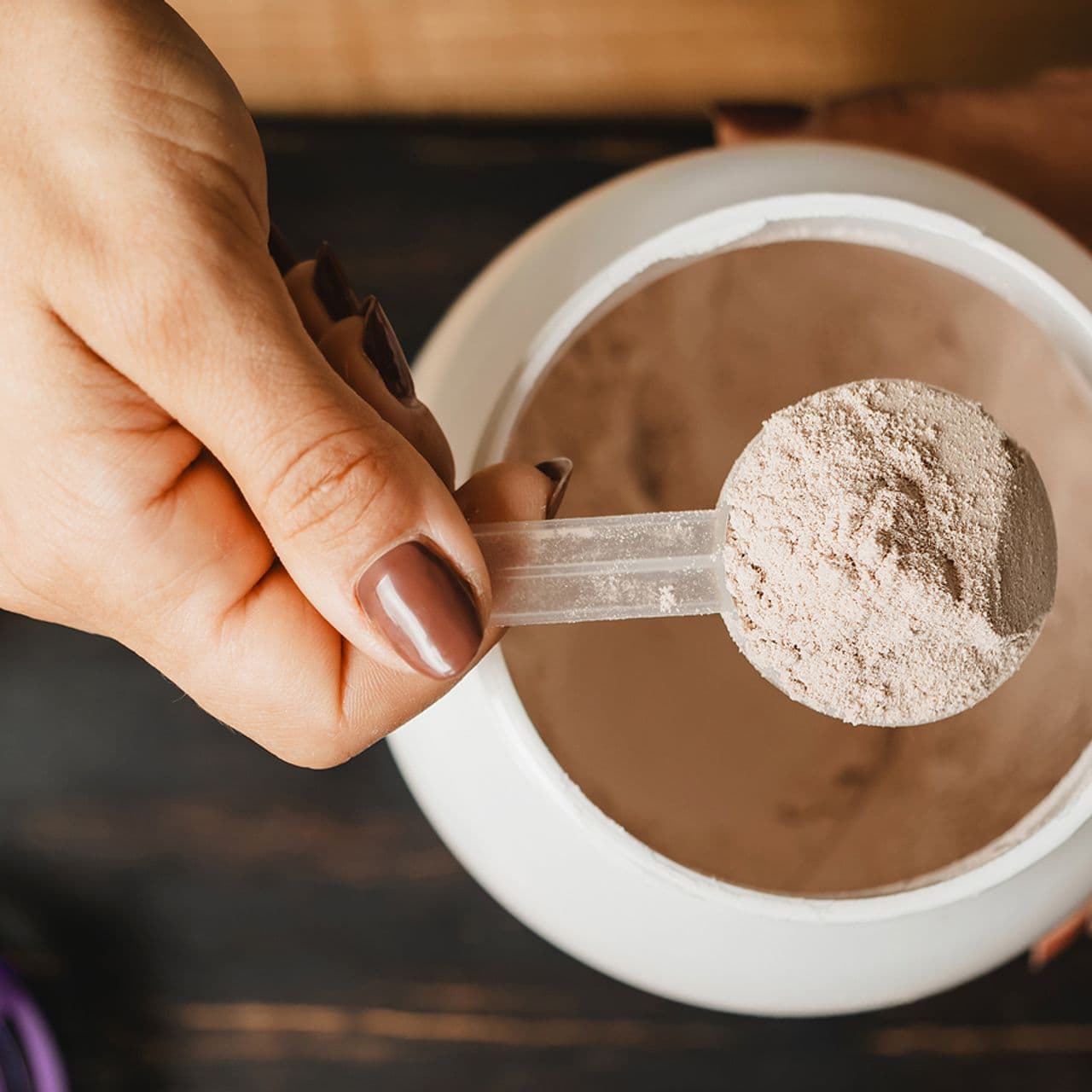
Protein shakes are quick, simple drinks made to help you increase your protein intake. Many people use them as part of a weight loss diet because protein helps you stay full longer, supports muscle growth, and can make healthy eating easier when you are busy or have a low appetite.
Three key takeaways
- Protein shakes can support weight loss when used alongside balanced meals and healthy habits.
- They are usually safe, including with weight-loss injections, but should not replace regular meals unless advised.
- High-protein, low-sugar shakes are the best option.
Are protein shakes good for you?
Protein shakes can be good for you because they provide a quick source of protein, which is recommended for muscle repair and energy. They can support weight loss by helping you feel full for longer, which may reduce snacking or overeating later in the day.
Protein also supports muscle health during weight loss. When you eat fewer calories, your body may break down muscle unless you include enough protein. Shakes can make this easier, especially if you struggle with appetite.
However, some people need to be cautious. If you have kidney disease, a high-protein diet may not be safe. Speak to your GP first if you have kidney problems, swallowing difficulties, allergies, or trouble digesting dairy.
How many protein shakes should I have a day?
Most people only need one protein shake per day, and some may not require any. Food should provide most of your protein. A second shake may be helpful if your appetite is low, but speak to a clinician if you rely on shakes often.
A single shake is usually enough to support your protein needs. For many people, protein from meals and foods like eggs, fish, beans, tofu, yoghurt, or lean meat is better because whole foods also provide vitamins, minerals, and fibre.
More than one protein shake a day can also be helpful in certain situations, such as during illness, when appetite is very low, or when activity levels are increased. However, shakes should not replace meals unless a clinician recommends it.
If you find yourself relying on shakes most days because you cannot eat enough solid food, speak to your GP or ask for a referral to a dietitian.
When should I drink a protein shake?
You can drink a protein shake at any time of day. Many people have one in the morning, between meals to reduce snacking, or after exercise to support recovery. The best timing depends on your routine, appetite, and weight loss goals.
Protein shakes can help control hunger when used between meals. Having a shake mid-morning or mid-afternoon may reduce cravings and help you avoid high-calorie snacks.
If you exercise, drinking a shake after your workout can help your muscles recover. This is useful if your meals are spaced far apart.
People using weight loss injections like Mounjaro may prefer a shake earlier in the day, when nausea is usually milder. Small, simple shakes are often easier to tolerate during low appetite phases. For more information about protein intake on Mounjaro we've written a more in-depth guide.
Are protein shakes safe with weight loss injections?
Protein shakes are generally safe to use with weight loss injections like Mounjaro or Wegovy. Choose low-sugar options and drink plenty of water. Shakes may cause nausea or constipation in some people, so start slowly and speak to a clinician if symptoms worsen.
Protein shakes can fit well into a routine with GLP-1 medicines because they provide nutrition without large portions. They can help you meet your protein needs even if you get full quickly.
Choose low-sugar shakes to avoid blood sugar spikes, which may worsen nausea. High-sugar shakes can also add calories that may slow weight loss.
GLP-1 injections can cause constipation. Some shakes worsen this if they are low in fibre. Try to choose shakes with added fibre or pair them with fruit, oats, or seeds. Drink plenty of water throughout the day.
Avoid shakes if you have allergies to ingredients such as whey, soy, or nuts. If you have kidney disease, speak to your GP before increasing protein intake.
Do protein shakes help you lose weight?
Protein shakes can help with weight loss by keeping you full for longer, helping control hunger, and supporting muscle during calorie reduction. They are most effective when used with balanced meals, regular activity, and healthy habits.
Studies show high-protein meals increase fullness compared to high-carbohydrate meals. This can help you stay satisfied for longer and reduce the need for extra snacks.
Shakes can also make healthy eating easier on busy days. A simple shake may be better than skipping a meal, which can lead to overeating later.
Protein also helps protect muscle while losing weight. Keeping muscle helps your body burn energy at a steady rate, supporting stable and healthy weight loss.
Can protein shakes make you gain weight?
Yes, protein shakes can cause weight gain if they add more calories than you use. Some shakes contain a lot of sugar or added ingredients. If you drink them on top of regular meals, you may gain weight instead of losing it.
Always check the label. Some “diet shakes” contain added sugar, creamers, or oils that make them high in calories. Even healthy shakes can lead to weight gain if you drink several a day.
If you notice weight creeping up, look for signs such as larger portion sizes, snacking alongside shakes, or choosing shakes with added sweeteners or syrups.
To avoid extra calories, choose shakes with 20 to 30g protein and low sugar, and use them to replace a snack instead of adding one.
What’s the best protein shake for weight loss?
The best protein shake for weight loss is high in protein, low in sugar, and contains around 20 to 30g of protein per serving. Both whey and plant-based options can work well. Choose simple ingredient lists without unnecessary additives.
Whey protein is popular because it is easy to digest and supports muscle repair. Plant-based shakes, such as soy, pea, or mixed vegan blends, are good choices if you avoid dairy or prefer non-animal options.
Diet-focused shakes often include added fibre or vitamins, which can help with fullness. However, they should not replace regular meals unless a clinician advises it.
Avoid shakes with added sugars, syrups, or “gainer” formulas, as these are designed for weight gain.
Can protein shakes cause constipation?
Yes, protein shakes can cause constipation, especially if they’re low in fibre or if you’re not drinking enough water. Increasing your fibre intake and staying well-hydrated usually helps improve symptoms.
Many ready-made or powdered shakes contain very little fibre, which can make constipation more likely. To help keep things moving, try adding ingredients like berries, chia seeds, or oats to your shake. These can soften stools and support overall gut health.
Do they make Mounjaro constipation worse?
Some protein shakes may make Mounjaro side effects like constipation worse, as appetite changes can reduce your fibre and fluid intake. Choosing shakes with added fibre and drinking more water can help prevent this.
To reduce constipation while on Mounjaro, try:
- drinking more water
- choosing shakes with added fibre
- adding fruit, oats, or seeds
- avoiding very thick shakes if you feel nauseous
If constipation becomes severe, speak to your clinician.
Can I make my own protein shake?
Yes, homemade protein shakes are easy to make, cost-effective, and often healthier than shop-bought shakes. You can use simple ingredients like yoghurt, milk, nut butter, fruit, or protein powder if you want extra protein.
Homemade shakes let you control sugar, flavour, and portion size. They can be made with:
- Greek yoghurt or skyr
- milk or plant-based milk
- frozen fruit
- nut butter
- oats or seeds
- a scoop of protein powder if needed
Keep them safe by washing fruit, storing milk in the fridge, and drinking your shake soon after making it.
Frequently asked questions
Can protein shakes replace meals?
Protein shakes should not replace regular meals unless advised by a clinician. Whole foods provide nutrients that shakes may lack.
What’s in protein shakes?
Most protein shakes contain protein powder (whey, soy, pea, or blends), flavourings, and sometimes vitamins or fibre.
Do protein shakes cause gas and bloating?
Some people get gas from whey or from drinking shakes too quickly. Trying a plant-based option may help.
Should I only use protein shakes if I work out?
No. Shakes can help anyone who struggles to get enough protein through food alone.
Can protein shakes cause kidney stones?
High-protein diets may increase the risk in some people. If you have kidney problems or a history of stones, speak to your GP.
Do protein shakes build muscle?
Protein supports muscle repair, but exercise is needed to build muscle.
Do protein shakes affect men and women differently?
No. Protein works the same way in all adults, but protein needs vary by body size and activity level.
Sources
- Protein (2023) British Nutrition Foundation [accessed 24 November 2025]
- Mounjaro KwikPen 2.5mg solution for injection in pre-filled pen (2025) EMC [accessed 24 November 2025]
- Protein (2025) NHS [accessed 24 November 2025]
- NHS Eatwell Guide (2025) NHS [accessed 24 November 2025]
- Acute effects of whey protein on energy intake, appetite and gastric emptying in younger and older, obese men (2020) National Library of Medicine [accessed 24 November 2025]
- Clinical Evidence and Mechanisms of High-Protein Diet-Induced Weight Loss (2020) National Library of Medicine [accessed 24 November 2025]