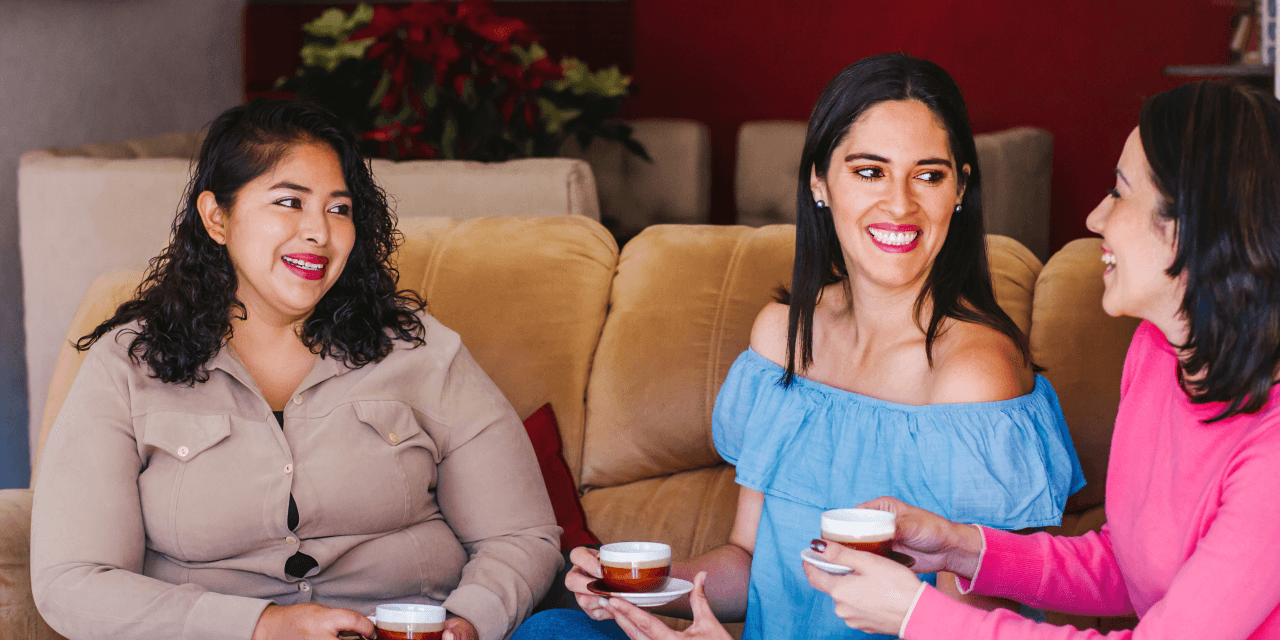
Dealing with your body image after major weight loss
Written by:
%203.png&w=3840&q=75)
21 Sep 2026 • 9 min read
Reviewed and fact-checked:
.png&w=3840&q=75)
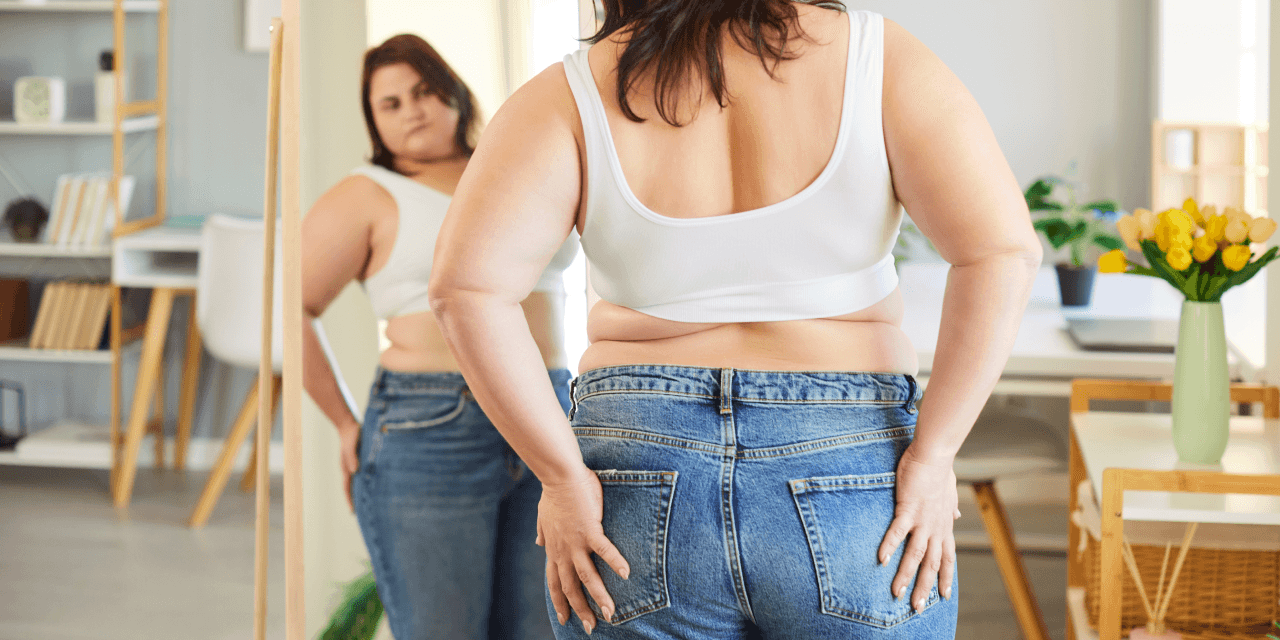
For many, the emotional side of weight loss is more complicated than expected. After spending months, or even years, focused on changing your body, it can take time for your mind to catch up with recent physical changes.
Body image is an important but often overlooked part of long-term weight maintenance. You might feel proud of what you've achieved while still struggling with self-doubt, noticing perceived flaws, or feeling disconnected from the person you see in the mirror. These experiences are more common than many people realise.
In this guide, we'll explore why adjusting to a changing body can be challenging after significant weight loss, as well as share advice on how to build a healthier, more positive relationship with yourself moving forward.
Key points
- It's normal for your body image to take longer to adjust than your physical appearance after weight loss.
- Focus on what your body can do, not just how it looks, to build a healthier relationship with yourself.
- Self-compassion, support, and realistic expectations can help you feel more confident during maintenance.
Why can body image still feel complicated after losing weight?
One of the most surprising parts of weight loss is that while your body may change, the way you see yourself doesn't always change at the same pace. You might catch your reflection and still expect to see the version of yourself you lived in for years, or find yourself reaching for the same clothes sizes out of habit. Many people experience this disconnect after significant weight loss, and it can take time for your mind to catch up with the physical changes.
At the same time, it's natural to feel nervous about regaining weight. You may become more aware of everyday fluctuations in your body or find yourself paying closer attention to your appearance than before. These thoughts can feel unsettling, but they don't take away from everything you've achieved. Adjusting emotionally to a changing body is part of the journey too, and learning to approach those worries with understanding rather than criticism can help you build a healthier, more supportive relationship with yourself over time.
Understanding the emotions that can follow weight loss
While weight loss can bring a sense of pride and achievement, it doesn't always quiet the worries or insecurities that were there before. In some cases, adjusting to a changing body can bring a whole new set of emotions.
If you've ever looked in the mirror and been surprised that your confidence hasn't changed as much as you expected, you're not alone. Your emotional wellbeing is just as important as your physical health, especially during maintenance. Try taking time to support your mental wellbeing through simple everyday habits, such as staying connected with others and making time for activities you enjoy.
Most importantly, try to meet your feelings with kindness rather than judgement. Reaching your goal weight is a significant achievement, but there's no right or wrong way to feel afterwards, and you don't have to feel positive about your body every day to be making progress.
Getting used to physical changes in your body
Many people picture a certain version of themselves at the end of a weight loss journey, so it can feel surprising when their body doesn't look or feel exactly as they imagined. You might notice changes in your shape, curves, or overall build, and if those features felt tied to how you saw yourself, adjusting can take time.
In this case, some people find it helpful to shift their focus from appearance alone to what their body can do. Building and maintaining muscle, for example, can support strength, mobility, and long-term weight maintenance, helping you think beyond the number on the scales.
Most importantly, there's no "correct" way to feel about your changing body. It's okay to celebrate what you've achieved while still adjusting to certain changes. Give yourself permission to take that process one step at a time.
Navigating other people's reactions
Significant weight loss can change the way other people respond to you. Friends, family members, or colleagues may comment on your appearance, ask questions about your journey, or offer compliments. While these comments are often well-meaning, they don't always feel comfortable to receive.
For some people, especially those who have experienced judgement, teasing, or unwanted comments about their weight in the past, this increased attention can bring up difficult emotions. It can feel strange to have your body become a talking point, even when the feedback is positive.
Remember, you get to decide how much of your journey you share. It's perfectly okay to change the subject, set boundaries, or let people know you'd rather not discuss your weight. Protecting your wellbeing doesn't require an explanation.
“After significant weight loss, it's normal for mixed emotions to surface. Give yourself permission to focus on how you feel, not just how you look. Maintaining a healthy relationship with your body is a process, and treating yourself with patience and compassion along the way is just as important as the weight you've lost.”
Ayesha BashirPrescribing Pharmacist
Practical ways to build a healthier relationship with your body
Focus on what your body can do, not just how it looks
Try to notice what has changed beyond your appearance. You might have more energy, find everyday movement easier, feel fitter, or be able to take part in activities that previously felt difficult.
Focusing on these changes can give you other ways to appreciate your body without relying solely on how it looks. Whether you're walking more, playing with your children or grandchildren, or returning to an old hobby, choosing activities you enjoy can help make movement a sustainable part of everyday life. Staying active during maintenance can also be a way to enjoy what your body can do.
Maintenance isn't only about preserving a number on the scales. It's also about supporting your health and quality of life as you move forward.
Practice self-compassion
Pay attention to how you speak to yourself about your body. You don't need to love every change straight away. Give yourself permission to adjust gradually, and try to treat yourself with the same patience and understanding you'd offer someone else going through a significant change.
Get curious about who you are now
As you settle into maintenance, give yourself space to think about what you enjoy, what matters to you, and how you want this next stage of your life to look.
You might find journalling or mindfulness useful for exploring how you're feeling, or simply make time to reconnect with hobbies and interests that bring you enjoyment. The aim isn't to reinvent yourself after weight loss, but to get to know yourself and focus on the things you enjoy.
Manage stress and protect your wellbeing
Looking after your body also means paying attention to how you feel. This can mean making time for activities that support your mental wellbeing, including staying connected with others and doing things you enjoy. Try to build routines that give you time to rest, get enough sleep, manage stress, and look after yourself.
Movement can be part of this too. Rather than treating exercise as a punishment or something you need to do to change your appearance, choose activities that feel enjoyable and sustainable.
Making your mental wellbeing during maintenance a priority can help you look beyond weight and give your emotional health the same attention as your physical health.
Build a support system
You don't have to adjust to these changes alone. Talking openly with friends or family you trust can give you space to share how you're feeling, while support groups or weight loss communities may help you connect with people who have had similar experiences.
If concerns about your body are affecting your wellbeing or becoming difficult to manage, don't hesitate to seek professional help. A counsellor, psychologist, or other healthcare professional can help you explore how you're feeling and find appropriate ways to move forward.
Learning to feel at home in your body again
Your relationship with your body may continue to evolve long after the scales stop moving, and that's completely normal. Some days you may feel confident and comfortable in your skin. Other days may feel more challenging. Neither takes away from how far you've come.
As you settle into maintenance, try to give yourself the same patience that helped you reach this point. Your progress isn't defined by how your body looks on any given day. It's reflected in the habits you've built, the confidence you've gained, and the things your health allows you to do and enjoy.
FAQs
Is it normal to struggle with body image after losing weight?
Yes. Many people expect to feel completely confident after reaching their goal weight, but adjusting to a changing body can take time. It's common to experience a mix of pride, uncertainty, and self-consciousness during maintenance.
Why do I still see myself at my old weight?
Your self-image is shaped by years of experiences, habits, and beliefs. Even after significant weight loss, it can take time for your mind to catch up with the changes you see in the mirror.
Can weight loss affect my mental wellbeing?
It can. While weight loss is often associated with positive emotions, it can also bring uncertainty, anxiety about regaining weight, or unexpected feelings about your changing body. Looking after your emotional wellbeing is just as important as maintaining your physical health.
How can I feel more confident in my body after weight loss?
Try shifting your focus from how your body looks to what it can do. Celebrating improvements in your energy, fitness, strength, and overall wellbeing can help build a healthier, more positive relationship with your body.
Is loose skin normal after significant weight loss?
Yes. Some people may notice loose skin after losing a substantial amount of weight, particularly if they have lost weight quickly or carried excess weight for many years. This is a common part of many weight loss journeys.
What should I do if comments about my weight make me uncomfortable?
You're under no obligation to discuss your body or weight loss journey with others. It's perfectly reasonable to set boundaries, change the subject, or let people know you'd prefer not to talk about your appearance.
Will I ever feel completely comfortable in my body?
Everyone's experience is different. For many people, body acceptance is an ongoing process rather than a final destination. The goal isn't to feel positive all the time, but to develop a kinder, more balanced relationship with yourself.
Sources
- Phantom Obesity: The Dark Side of Weight Loss. (2026) Psychology Today. [Accessed 31 August 2026]
- Body Image Issues After Weight Loss. (2025) WebMD. [Accessed 31 August 2026]
.png&w=3840&q=75)

.png&w=3840&q=75)