Wegovy side effects and how to deal with them
Written by:
-2.png&w=3840&q=75)
20 Feb 2026 • 14 min read
Wegovy can cause side effects, especially when you first start treatment or when your dose increases. Most of the time, they are mild, temporary, and improve as your body adjusts.
Most side effects can be reduced with simple dietary changes, home remedies, or short-term medications. Knowing what to expect can help you feel more confident and supported as you continue treatment.
This guide explains the most common Wegovy side effects, how to manage them with practical steps, and when to seek medical advice.
Key points
- Most Wegovy side effects are mild and improve over time as your body adjusts to the medication
- Gradual dose increases are designed to help reduce side effects for a smoother weight loss journe
- Lifestyle changes such as adjusting your diet, increasing movement, simple home remedies, and medical treatment options can all help you manage side effects effectively.
What are the common Wegovy side effects?
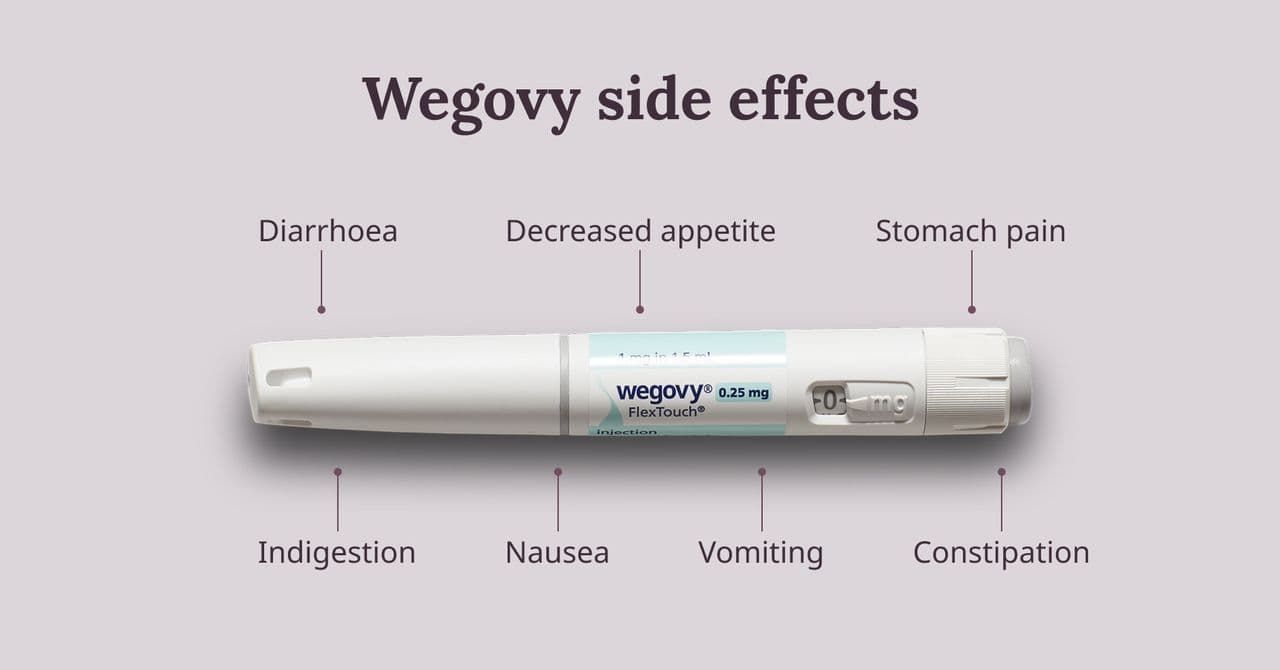
The most common Wegovy side effects act on the digestive system. These include:
- nausea
- vomiting
- diarrhoea
- constipation
- stomach pain
- bloating
- dizziness
- low blood sugar, especially in people with type 2 diabetes
Side effects are most likely to happen when starting treatment or after increasing your dose.
Every medication comes with a list of possible serious side effects, even common medicines like paracetamol. What matters is that they are extremely rare. Most people taking Wegovy will not experience serious side effects, but it is important that you know what to look out for.
Try not to let the idea of side effects stop you from starting or continuing your journey. For many people, the health benefits of weight loss far outweigh the small risk of serious side effects.
Ayesha Bashir, myBMI weight loss expert
Dealing with nausea and vomiting from Wegovy
Nausea and vomiting are common Wegovy side effects, particularly when starting treatment or increasing the dose. They are usually mild and temporary.
Eating smaller meals, choosing gentle foods, staying hydrated, and using short-term anti-nausea medication can help reduce symptoms.
Dietary changes
Smaller meals
Eating smaller portions more often can reduce pressure on the stomach and help relieve symptoms of nausea. Many people find it helpful to stop eating before they feel completely full.
Ginger or peppermint tea
Warm ginger or peppermint tea may feel soothing on your stomach and can feel easier to drink than plain water, particularly if nausea is worse between meals.
Cold and bland foods
Cold or bland foods such as yoghurt, crackers, or plain toast are often easier to stomach than hot, rich, or strongly flavoured meals when you have nausea.
Home remedies
Ginger
Some people find ginger helpful for settling the stomach. This can be taken as tea, chews, or added lightly to food, depending on tolerance.
Sour tastes
Sour flavours such as lemon or lime may help reduce nausea for some people. You could try sucking on a slice of lemon or adding lemon to water.
Acupressure
Applying gentle pressure on the inner wrist is commonly used for travel sickness and may help ease nausea for some people.
Nausea medications and treatments
Prochlorperazine
If nausea or vomiting is persistent or severe, a clinician may prescribe short-term anti-nausea medication such as prochlorperazine. This should only be used under medical advice and is not suitable for everyone.
Dealing with diarrhoea from Wegovy
Diarrhoea is a common Wegovy side effect, particularly during early treatment or after a dose increase. Symptoms are usually temporary and can often be managed with hydration, small dietary changes, and short-term medication if needed.
Dietary changes
Drink fluids
Staying well hydrated is essential if you have diarrhoea. Regular sips of water throughout the day help replace lost fluids and reduce the risk of dehydration.
Avoid fizzy drinks and caffeine
Fizzy drinks and caffeine can worsen diarrhoea and irritate the gut. Avoiding them can help settle symptoms more quickly.
The BRAT diet
The BRAT diet – bananas, rice, applesauce, and toast – includes bland, low-fibre foods that are often easier to digest while symptoms settle.
Home remedies
Electrolytes
If diarrhoea continues, electrolyte drinks or oral rehydration solutions can help replace lost salts, especially if you feel weak or lightheaded. If you have any form of kidney problems, speak to a clinicians before taking electrolyte.
Peppermint and ginger tea
Peppermint or ginger tea may soothe the gut and ease digestive discomfort.
Diarrhoea medications and treatments
Loperamide
If symptoms are disrupting daily life, short-term loperamide may help slow bowel movements. It should only be used according to guidance and your prescribers advice.
Dealing with constipation from Wegovy
Constipation is another common Wegovy side effect, especially in the early stages of treatment or after a dose increase. Symptoms are usually temporary and often improve with simple changes.
Dietary changes
Drink fluids
Drinking plenty of water throughout the day helps soften stools and support regular bowel movements.
Increase fibre gradually
Adding fibre-rich foods gradually such as vegetables, fruit, and wholegrains can improve bowel movements while reducing the risk of bloating.
Regular meals
Eating regular meals can help stimulate bowel activity and support digestion.
Home remedies
Gentle movement
Light activity such as walking can help stimulate the bowel and relieve constipation.
Peppermint and ginger tea
Peppermint or ginger tea may help reduce bloating and abdominal discomfort.
Constipation medications and treatments
Laxatives
If constipation persists, short-term use of a suitable laxative may be recommended by your prescriber. Always follow guidance and professional advice when using these treatments.
Dealing with stomach pain and bloating from Wegovy
Stomach pain and bloating are common Wegovy side effects, especially when starting treatment or increasing your dose. These symptoms are usually mild and temporary.
Eating smaller meals, staying hydrated, and making small lifestyle adjustments can help reduce discomfort.
Dietary changes
Eat smaller meals
Eating smaller, more frequent meals can reduce pressure on the stomach and help limit bloating or cramping, particularly in the weeks after starting Wegovy or increasing the dose.
Stay hydrated
Drinking water regularly throughout the day can support digestion and may help reduce bloating, especially if changes in your appetite mean you are drinking less water.
Home remedies
Herbal teas
Herbal teas such as peppermint or chamomile may feel soothing and help relieve feelings of fullness or discomfort after eating.
Probiotics
Some people choose to use probiotics to help with bloating, but effects can vary and they are not suitable for everyone.
Stay upright after eating
Remaining upright and avoiding lying down for at least 30 minutes after meals can help reduce discomfort particularly if your bloating tends to get worse after eating.
Short walks after meals
Gentle exercise such as a short walk after meals can help stimulate digestion and ease bloating without placing strain on the body.
Dealing with acid reflux and heartburn from Wegovy
Acid reflux and heartburn can occur while taking Wegovy, particularly during early treatment or after a dose increase. Symptoms are usually mild and temporary.
Dietary adjustments, simple lifestyle changes, and short-term medications can help manage symptoms.
Dietary changes
Avoid spicy and fatty foods
Avoid spicy, fried, or high-fat foods as they can trigger or worsen reflux symptoms. Choosing plainer meals may help reduce stomach irritation.
Eat slowly and chew thoroughly
Eating slowly and chewing food well can reduce swallowing excess air and help prevent the stomach pressure which sometimes causes heartburn.
Drink water between meals
Sipping water between meals instead of drinking large amounts during meals may help reduce fullness and ease reflux symptoms.
Home remedies
Ginger or peppermint tea
Warm ginger or peppermint tea may feel soothing and can be easier to tolerate than water if you’re having reflux symptoms.
Chewing gum
Chewing sugar-free gum may help increase saliva production which can ease the throat discomfort that sometimes comes with heartburn.
No smoking or vaping
Smoking and vaping can worsen reflux symptoms. Avoiding them can help reduce stomach irritation.
Acid reflux medications and treatments
Omeprazole
Omeprazole reduces stomach acid and may be prescribed if reflux symptoms are persistent or severe.
Lansoprazole
Lansoprazole works in a similar way to omeprazole and may be used under medical supervision to manage ongoing heartburn.
Gaviscon
Gaviscon can provide short-term relief by forming a protective barrier to help prevent stomach acid from rising into the oesophagus.
Dealing with dizziness from Wegovy
Dizziness can occur while taking Wegovy and is often linked to nausea, dehydration, or low blood sugar. It is usually mild and temporary.
Staying hydrated, eating regularly, and resting can help, but ongoing or severe dizziness should be discussed with a clinician.
Dietary changes
Stay hydrated
Drinking fluids regularly throughout the day can help prevent the dehydration which may be contributing to your dizziness, especially if your appetite or fluid intake has decreased because of the medication.
Avoid caffeine and alcohol
Caffeine and alcohol can worsen dehydration and may increase feelings of light-headedness for some people. Reducing or avoiding them may help ease symptoms.
Prioritise protein
Including protein in your meals may help keep your energy levels stable, which can be helpful to reduce dizziness.
Home remedies
Lie down and rest
If you feel dizzy, sitting or lying down in a safe place while symptoms pass can help prevent falls.
Check for low blood sugar
For people with type 2 diabetes, dizziness may be a sign of low blood sugar, particularly if Wegovy is used alongside other diabetes medicines. Monitoring levels and following your usual hypoglycaemia plan is important.
Dealing with low blood sugar from Wegovy (in people with type 2 diabetes)
Low blood sugar can occur in people with type 2 diabetes using Wegovy, particularly if they also take insulin or sulfonylureas.
Recognising symptoms early and using fast-acting carbohydrates can help restore blood sugar levels quickly and safely.
Dietary changes
Fast carbs (the 15:15 rule)
If your blood sugar levels are low, follow the 15:15 rule: eat or drink 15 g of fast-acting carbohydrates, such as glucose tablets or a sugary drink, then recheck levels after 15 minutes and repeat if needed.
Opt for low GI foods
Once your blood sugar levels are stable, eating a balanced meal or snack that includes low GI foods, protein, and fibre can help keep levels stable.
Eat smaller, more frequent meals
Regular smaller meals and snacks can help reduce the risk of blood sugar dips, especially if your appetite is reduced while taking Wegovy.
Limit alcohol and caffeine
Avoid alcohol and caffeine, as they can affect blood sugar levels and increase the risk of hypoglycaemia.
Are there any more serious side effects of Wegovy?
Most people taking Wegovy do not experience serious side effects. When they do occur, they should be closely monitored by a medical professional.
Being aware of warning signs helps ensure that any concerns are assessed quickly and treatment is adjusted or stopped if needed.
Serious Wegovy side effects and the symptoms to be aware of:
- Pancreatitis – Severe and ongoing stomach pain that may spread to the back, sometimes with vomiting. This requires urgent medical assessment.
- Severe allergic reactions – Sudden swelling of the face, lips, tongue, or throat, breathing difficulties, or a widespread rash. These symptoms need immediate emergency care.
- Thyroid cancer – Wegovy has been linked to thyroid tumours in some animal studies. The likelihood in humans is unclear, but anyone with a personal or family history of certain thyroid cancers should not use Wegovy.
- Vision changes – Changes in vision can occur on Wegovy, particularly in people with type 2 diabetes. These symptoms require medical attention.
These side effects are not common. Ongoing monitoring, dose adjustments, and clear safety checks are part of Wegovy treatment to identify risks early and protect patient safety.
“Wegovy does come with some common side effects, but they don’t happen to everyone. Some people move through their journey without experiencing any at all.
When they do show up, they’re usually mild and short term. It might feel frustrating for a few days while your body adjusts, but for most people, it settles quickly.
The most important thing is that you’re not on your own with it. We make sure you know what to expect and how to manage it, so you can feel confident and supported every step of the way.”
Ayesha Bashir, myBMI weight loss expert
When should I contact my doctor about Wegovy side effects?
You should contact your doctor if Wegovy side effects are severe, persistent, or worsen after a dose increase.
Seek urgent medical help if you develop:
- severe stomach pain
- signs of dehydration
- allergic reactions
- symptoms that interfere with daily activities
Frequently asked questions
How long do Wegovy side effects last?
Most Wegovy side effects are temporary and improve within a few weeks as your body adjusts to the medication. Symptoms are often strongest at the start of treatment or after a dose increase. Some people may experience mild side effects for longer than others.
Do side effects get worse as the dose increases?
Side effects can temporarily worsen after Wegovy dose increases, but this does not happen for everyone. For many people, symptoms settle again once the body adapts to the new dose.
Can I stay on a lower dose if side effects are difficult?
In some cases, people may stay on a lower Wegovy dose for longer if side effects are difficult to manage. Any dose changes should be discussed with a clinician based on how you respond to the medication.
What should I do if I vomit after a Wegovy injection?
If you vomit after a Wegovy injection, do not take an extra dose. Continue with your next scheduled injection as planned unless your clinician says otherwise.
Are Wegovy side effects the same for everyone?
No, Wegovy side effects vary between individuals. Some people experience very mild symptoms or none at all, while others may notice more pronounced effects, particularly during early treatment or dose increases.
Summary of Wegovy side effects
Most Wegovy side effects are mild, temporary, and most noticeable when starting treatment or increasing the dose. Digestive symptoms like nausea, diarrhoea, constipation, bloating, and heartburn are the most common and often improve as your body adjusts to the medication.
Many side effects can be managed with simple steps, including dietary changes, staying hydrated, gentle lifestyle adjustments, and short-term medications where appropriate.
More serious side effects are rare, but it is important to recognise warning signs and seek medical advice when needed.
Ongoing clinical monitoring and open communication with your care team help ensure Wegovy remains a safe and effective option for weight management.
Sources
- Wegovy 0.25 mg, FlexTouch solution for injection in pre-filled pen. (2026) EMC [accessed 29 January 2026]
- Semaglutide for managing overweight and obesity. (2023) NICE [accessed 29 January 2026]
- Feeling sick (nausea). (2023) NHS [accessed 29 January 2026]
- Using pressure points to relieve nausea. (no date) NHS [accessed 29 January 2026]
- About prochlorperazine. (2023) NHS [accessed 29 January 2026]
- Diarrhoea and vomiting. (2023) NHS [accessed 29 January 2026]
- About loperamide. (2024) NHS [accessed 29 January 2026]
- Bloating. (2026) NHS [accessed 29 January 2026]
- Probiotics. (2022) NHS [accessed 29 January 2026]
- Heartburn and acid reflux. (2023) NHS [accessed 29 January 2026]
- Omeprazole. (2025) NHS [accessed 29 January 2026]
- About lansoprazole. (2025) NHS [accessed 29 January 2026]
- About Gaviscon. (2025) NHS [accessed 29 January 2026]
- Oral rehydration salts. (2024) NHS [accessed 29 January 2026]
- Water, drinks and hydration. (2023) NHS [accessed 29 January 2026]
- Dizziness. (2023) NHS [accessed 30 January 2026]
- Protein. (no date) NHS [accessed 30 January 2026]
- Low blood sugar (hypoglycaemia). (2023) NHS [accessed 30 January 2026]
- Basic dietary advice for people newlydiagnosed with Diabetes. (2025) NHS [accessed 30 January 2026]
- The effect of chewing sugar-free gum on gastro-esophageal reflux. (2005) National Library of Medicine [accessed 30 January 2026]
- Influence of body posture on intestinal transit of gas. (2003) National Library of Medicine [accessed 29 January 2026]
- Slow Down: Behavioural and Physiological Effects of Reducing Eating Rate. (2018) National Library of Medicine [accessed 29 January 2026]
- Treatment of Low Blood Sugar (Hypoglycemia). (2024) CDC [accessed 30 January 2026]