Low GI foods for weight loss: The glycaemic index
Written by:

26 Feb 2026 • 11 min read
Reviewed and fact-checked:
.png&w=3840&q=75)
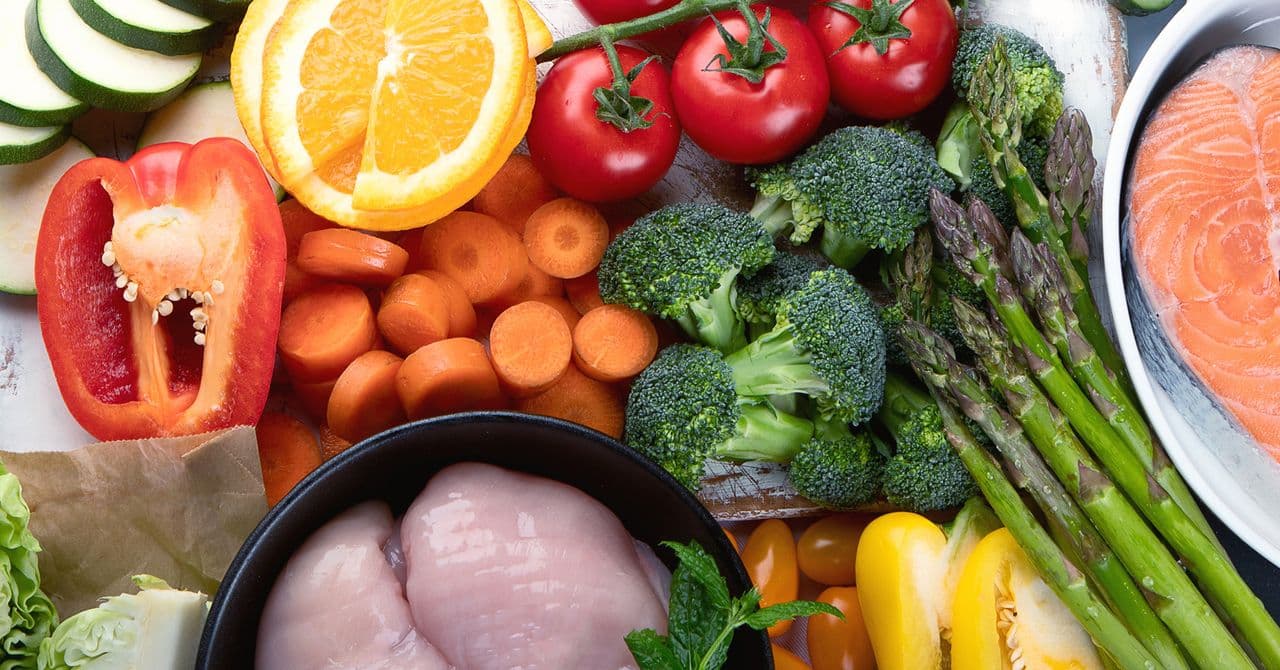
Low glycaemic index (GI) foods are carbohydrates that raise your blood sugar slowly rather than causing quick spikes. This steady release of energy can help you stay fuller for longer, manage cravings, and support consistent weight loss.
Here, our experts will cover what the glycaemic index is, why it matters during weight loss, and how to use it to make more balanced food choices that support your progress.
Key points
- The glycaemic index (GI) measures how quickly foods containing carbohydrates raise blood sugar (glucose) levels after eating.
- Low GI foods are digested more slowly, which helps support appetite control and delivers more consistent energy levels throughout the day.
- Choosing lower GI foods can play a supportive role in both weight management and diabetes control when part of a balanced diet.
What is the glycaemic index (GI)?
The glycaemic index (GI) is a way of ranking carbohydrate-containing foods according to how quickly they raise blood glucose levels after eating. It helps show whether a food causes a rapid spike in blood sugar or a slower, more gradual rise.
The GI scale runs from 0 to 100 and compares foods to a reference food, usually pure glucose. Foods are grouped as low, medium, or high GI based on how quickly they are digested and absorbed.
- Low GI foods (55 or less on the scale) raise blood sugar slowly and steadily
- Medium GI foods (56 to 69) cause a moderate rise
- High GI foods (70 or more) are digested quickly and lead to spikes in blood sugar spikes
GI does not measure how healthy a food is overall. Instead, it focuses on the speed at which carbohydrates affect blood sugar, which is why it can be useful when thinking about appetite, energy levels, and weight management.
What influences GI?
The glycaemic index of a food is shaped by the type of carbohydrate it contains, fibre content, and how it is prepared and eaten. Processing, cooking methods, ripeness, and whether carbohydrates are eaten with protein or fat all affect how quickly glucose is absorbed.
The key factors influencing GI include:
- the type of carbohydrate: refined or processed carbs are digested faster than whole or complex carbs
- fibre content: foods higher in fibre are slower to digest
- processing and cooking: more processing or longer cooking times can raise GI levels
- ripeness: riper fruit usually has a higher GI than fruit that is less ripe
How is GI calculated?
GI is measured by giving someone a fixed amount of a certain food and recording blood glucose changes over a few hours. Blood sugar responses are tracked over time to show how quickly glucose enters the bloodstream when the food is ingested.
Results are averaged across groups of people, as individual responses can vary based on metabolism, gut health, and what else has been eaten.
What are the benefits of low GI foods?
Low GI foods are often recommended because they lead to slower rises in blood glucose, which can support better appetite control, energy levels, and weight management. They are also commonly used in diets for people with diabetes, as part of an overall balanced plan.
By slowing digestion and glucose absorption, low GI foods can help reduce energy crashes and short-term hunger. This steadier response can make it easier to manage food choices throughout the day and support longer-term health goals, including healthy weight loss and blood sugar control.
Diabetes management
Low GI foods are commonly recommended in diabetes care because they help slow the rise in blood glucose after eating, which can make day-to-day blood sugar management easier when combined with balanced meals and appropriate medical treatment.
Weight management
Low GI foods can support weight management by helping people feel fuller for longer and reducing rapid dips in energy. This may make it easier to manage appetite and avoid reactive eating between meals.
Long-term energy and energy storage
Because low GI foods release glucose more gradually, they support more consistent energy levels throughout the day. This slower release helps avoid sharp energy highs and lows that can negatively influence hunger and food choices.
Some examples of low GI foods and their approximate GI score (out of 100)
Non-starchy vegetables:
- Spinach – 15
- Broccoli (raw) – 15
- Carrots (fresh) – 30
- Peppers – 15
- Mushrooms – 15
- Sprouts (fresh) – 15
Low GI fruits
- Apples – 36
- Strawberries – 25
- Pears – 30
- Peaches (fresh) – 35
- Avocado – 10
- Cherries (fresh) – 25
Low GI proteins
- Chicken – 0
- Fish – 0
- Eggs – 0
- Beef – 0
- Turkey – 0
How does protein affect a food's GI score?
Because protein takes longer to digest, it can lower the overall glycaemic impact of a meal rather than changing the GI score of a single food.
When protein is paired with higher-GI foods, it can help smooth out blood sugar spikes and make you feel fuller after eating. This can be particularly helpful for appetite control and to achieve more stable energy levels throughout the day.
How do low GI foods help with diabetes management?
Low GI foods can support diabetes management by helping to control blood sugar levels after meals. By slowing how quickly glucose enters the bloodstream, they can reduce sharp rises and falls in blood sugar, helping you stay more in control day-to-day.
That said, low GI foods alone won’t necessarily be effective for diabetes management; they should be used as part of a healthy, balanced diet, alongside your prescribed medical treatment and following lifestyle advice.
Blood sugar control
Low GI foods lead to slower glucose absorption, which helps limit rapid rises in blood sugar after eating. This can make blood sugar levels easier to manage and reduce fluctuations throughout the day.
By avoiding sharp spikes followed by drops, low GI foods can help achieve steadier readings between meals. This can be particularly helpful for people trying to manage their blood glucose levels after meals as part of an overall diabetes care plan.
Reduces insulin demand
Because low GI foods raise blood sugar more slowly, your body usually releases less insulin compared to high GI foods. This can help keep your energy levels steadier and support better blood sugar balance over time.
For some people, more stable insulin levels may also support insulin sensitivity, which plays a role in how your body uses glucose. However, everyone responds differently, and low GI choices should support your treatment plan, not replace any prescribed medication or clinical advice.
Appetite control
Low GI foods take longer to digest, which can help people feel fuller for longer after meals. This is because slower digestion delivers a more gradual energy release rather than a short-term blood sugar spike.
Feeling satisfied for longer may help reduce short-term hunger and unplanned snacking, which can support both blood sugar control and weight management.
How low GI foods and understanding the glycaemic index supports weight loss
Understanding the glycaemic index (GI) can support weight loss by helping you choose foods that keep blood sugar levels steadier and hunger more controlled. Low GI foods are digested more slowly, which can help you feel fuller for longer, reduce energy dips, and support a more consistent calorie intake over time.
When blood sugar rises gradually instead of spiking, insulin levels are often more stable too. This can help limit cravings and reactive eating, making it easier to stay consistent with balanced meals and build sustainable weight loss habits.
“Low glycaemic index foods can be a helpful addition to a weight loss plan because they are digested more slowly, supporting steadier energy levels and helping you feel fuller for longer. This can make it easier to manage appetite and reduce unplanned snacking. However, a low GI rating does not automatically mean a food is healthy or suitable for weight loss. Some low GI foods can still be high in calories, fat, or sugar. It is important to look at the overall nutritional profile and include these foods as part of a balanced, varied diet rather than relying on GI alone when making food choices.”
Niya Mansuri, myBMI weight loss expert
Reduces food cravings
Low GI foods can help reduce food cravings by preventing rapid rises and falls in blood sugar.
When blood sugar crashes after eating high GI foods, it can trigger strong cravings and increase the temptation to eat for comfort rather than hunger. Learning more about overcoming emotional eating can help you recognise these triggers and respond to them more effectively.
By supporting steadier energy and making you feel fuller, low GI foods can make appetite feel more predictable, helping people feel more in control of their food choices.
Enhances fat metabolism
Stable blood sugar and insulin levels help create the right conditions for your body to use stored fat for energy rather than constantly relying on quick glucose spikes. By avoiding sharp rises and crashes in blood sugar, low GI foods support a more consistent energy supply, which can help with healthy, gradual weight loss when paired with a balanced, calorie-controlled diet.
Low GI foods do not cause weight loss on their own, but they can make progress easier to maintain by supporting appetite control, steady energy, and more consistent eating habits.
Frequently asked questions
What is considered a low GI score?
A low GI score is 55 or less on the glycaemic index. Foods in this range raise blood glucose more slowly than medium or high GI foods and are often recommended for blood sugar control and weight management as part of a healthy diet.
Are all low GI foods suitable for weight loss?
Not always. Some low GI foods can still be high in calories and fat, which can affect weight loss if eaten frequently or in large quantities.
Does portion size matter alongside GI?
Yes, portion size still matters, even for low GI foods. Eating large portions can lead to a higher calorie intake and a greater rise in blood sugar levels, regardless of a food’s GI score.
What is the difference between glycaemic index (GI) and glycaemic load (GL)?
The glycaemic index (GI) shows how quickly a carbohydrate food raises your blood sugar after eating. It ranks foods on a scale from low to high based on speed alone.
Glycaemic load (GL) looks at both how fast blood sugar rises and how much carbohydrate is in a typical portion. This means it reflects a food’s real-world impact on blood sugar more accurately.
Can a food be low GI but still high in calories?
Yes. Foods such as nuts, oils, or some dairy products have a low GI but are calorie-dense, meaning they can still contribute to weight gain if eaten in large quantities.
Is GI more important than calories for weight loss?
Calories still matter most for weight loss, but lower GI foods can support how manageable eating feels. Low GI foods can help with appetite and energy levels, making it easier to maintain a calorie deficit over time.
How does GI apply to mixed meals rather than individual foods?
GI is based on single foods, but mixed meals usually have a lower glycaemic impact. Adding protein, fat, or fibre slows digestion and helps blood sugar rise more gradually, supporting steadier energy and appetite control.
Can cooking methods change the GI of a food?
Yes, cooking and processing can affect GI scores. Longer cooking times and heavy processing often increase GI values by making carbohydrates easier to digest.
Sources
- Glycaemic index and diabetes. Diabetes UK [accessed 15 January 2026]
- Food Fact: The Glycaemic Index. (2023) NHS [accessed 15 January 2026]
- How to get more fibre into your diet. (2022) NHS [accessed 15 January 2026]
- Starchy foods and carbohydrates. (2023) NHS [accessed 15 January 2026]
- Low glycemic index foods list. Glycemic Index Guide [accessed 16 January 2026]
- Glycaemic Index (GI). NHS Milton Keynes University Hospital [accessed 15 January 2026]
- Glycemic Index (GI) or Glycemic Load (GL) and Dietary Interventions for Optimizing (2020) National Library of Medicine [accessed 16 January 2026]
- Postprandial Hyperglycemia in Patients with T2 Diabetes: A Review. (2020) National Library of Medicine [accessed 16 January 2026]
- Insulin Metabolic Effects. (2022) National Library of Medicine [accessed 16 January 2026]
- Metabolic effects of low glycaemic index diets. (2009) National Library of Medicine [accessed 27 January 2026]