What is visceral fat, and how do I reduce it?
Written by:
%201.jpg&w=3840&q=75)
20 Mar 2026 • 15 min read
Reviewed and fact-checked:
.png&w=3840&q=75)
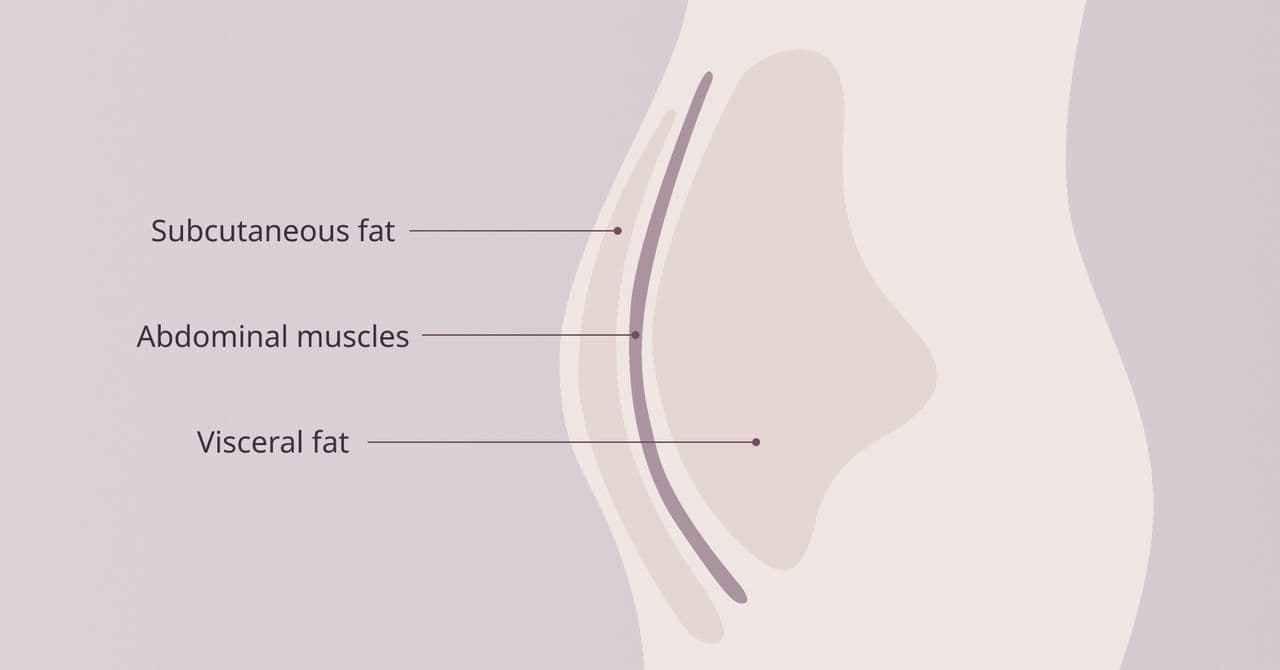
Visceral fat is fat stored deep within the abdomen, surrounding organs such as the liver and intestines. Higher levels of visceral fat are linked to increased risk of heart disease, type 2 diabetes, and metabolic conditions. Unlike visible fat under the skin, it affects how your body functions.
This page explains what visceral fat is, why it can be harmful, what causes it, how healthy levels are assessed in men and women, and evidence-based ways to reduce visceral fat safely through exercise, nutrition, and lifestyle changes.
Key points
- Visceral fat is stored deep in the abdomen and is linked to increased long-term health risks.
- Certain medical conditions and lifestyle factors can increase visceral fat accumulation.
- Visceral fat can be reduced through structured exercise, dietary changes, and sustainable lifestyle improvements, like home cardio workouts.
What is visceral fat?
Visceral fat is fat stored deep inside the abdomen, around organs like the liver, pancreas, and intestines. It is different from subcutaneous fat, which sits just under the skin. Because visceral fat is located around important organs, it can have a stronger effect on hormones, inflammation, and metabolism. This makes visceral fat more closely linked to overall health risks than fat stored under the skin.
Subcutaneous fat is the fat you can pinch under the skin. Visceral fat cannot be seen or felt in the same way. Because it surrounds vital organs, having too much visceral fat is more closely linked to metabolic and heart health risks than fat stored near the surface.
In simple terms, visceral fat is the type that can affect your internal health the most.
Visceral fat does more than just sit in the body. It releases substances that can affect blood sugar, blood pressure, and cholesterol levels. This is why higher levels of visceral fat are linked to a greater long-term health risk.
Over time, too much visceral fat can increase the risk of several weight-related health conditions.
Why is visceral fat dangerous?
Visceral fat is considered dangerous because of its location and how it affects your body. It contributes to inflammation and insulin resistance, both of which increase disease risk. Over time, this can raise the likelihood of cardiovascular and metabolic conditions.
Excess visceral fat is associated with raised blood pressure, altered cholesterol levels, and impaired glucose control. These changes increase the risk of heart disease, stroke, and type 2 diabetes.
Cardiovascular risks
Visceral fat is linked to a higher risk of heart and circulation problems. Fat stored around the abdomen can affect hormone levels and increase systemic inflammation. Higher levels of abdominal fat are also linked to raised blood pressure and unhealthy cholesterol levels, which can increase cardiovascular risk.
Too much visceral fat can also lead to ongoing inflammation in the body. Over time, this inflammation can damage the arteries and affect how well blood flows. This increases the risk of coronary heart disease and stroke over time.
Related health risks
Visceral fat is strongly associated with insulin resistance and type 2 diabetes. Excess fat around abdominal organs interferes with how the body uses insulin, increasing blood sugar levels.
It is also linked to non-alcoholic fatty liver disease, metabolic syndrome, and hormonal disruption. These conditions often cluster together in people with higher central abdominal fat levels.
What causes visceral fat?
Visceral fat can develop due to a mix of lifestyle, hormonal, and health factors. Eating more calories than your body needs, low physical activity, chronic stress, and certain health conditions can all increase fat stored around the abdomen. Genetics and age also influence where the body tends to store fat.
Fat stored around the middle of the body is strongly affected by insulin, stress hormones, and overall metabolic health. Conditions that affect hormone balance or blood sugar control can increase visceral fat over time. Lifestyle habits such as high alcohol intake, poor sleep, and long periods of sitting can also increase this risk.
Medical conditions can also contribute to increased visceral fat. These include:
- hypothyroidism
- diabetes
- high cholesterol
- circulatory system diseases
Each condition may affect metabolism, inflammation, or hormonal regulation in ways that promote fat storage around abdominal organs.
How diabetes is linked with visceral fat
Type 2 diabetes is closely linked to insulin resistance. When the body becomes resistant to insulin, it produces more of it to try to keep blood sugar stable. Higher insulin levels can promote fat storage, particularly around the abdomen.
When insulin levels stay high, the body is more likely to store energy rather than use it. Over time, this can increase visceral fat around organs like the liver and pancreas. Visceral fat and insulin resistance can reinforce each other, creating a cycle that worsens metabolic health.
How high cholesterol is linked to visceral fat
High cholesterol does not directly cause visceral fat, but it is often part of the same metabolic imbalance linked to abdominal fat storage. When metabolic health is impaired, factors like insulin resistance can lead to both higher cholesterol levels and increased fat stored around the abdominal organs.
This is commonly seen in metabolic syndrome, where abdominal fat, altered cholesterol levels, and insulin resistance occur together as part of the same underlying process.
How circulatory system diseases are associated with visceral fat
Circulatory system diseases do not directly cause visceral fat, but they are often linked to lower physical activity and higher levels of inflammation, which can increase fat stored around the abdomen.
Reduced movement and ongoing inflammation can affect how the body processes blood sugar and fats. Over time, this can lead to greater visceral fat accumulation around abdominal organs.
What are healthy visceral fat levels?
Healthy visceral fat levels vary from person to person. They depend on sex, age, body composition, and how the fat is measured.
The most accurate way to measure visceral fat is with imaging scans such as CT or MRI. However, these are usually only used in medical settings. In everyday practice, waist measurements are the most common way to check for excess abdominal fat.
In the UK and Ireland, central obesity is often assessed using waist circumference. A waist measurement above 80 cm in women or 94 cm in men is associated with a higher health risk. These measurements help identify people who may have higher levels of visceral fat, rather than measuring the exact amount.
Visceral fat range in females
In women, healthy ranges vary depending on age and body composition. Waist circumference is commonly used to assess visceral fat risk in women. A measurement above 80 cm suggests an increased risk, while one above 88 cm indicates a substantially increased risk.
Body composition
Women naturally carry more subcutaneous fat than men, particularly around the hips and thighs. However, excess fat stored centrally around the abdomen increases cardiometabolic risk regardless of overall weight. Body composition, not just BMI, influences health risk.
Age
Hormonal changes influence fat distribution. After menopause, women are more likely to store fat centrally rather than peripherally. This shift increases the likelihood of higher visceral fat levels even if overall weight does not change significantly.
Visceral fat range in males
Men are more likely to store fat centrally throughout adulthood. Waist circumference above 94 cm in men indicates increased health risk, and above 102 cm indicates substantially increased risk.
Body composition
Men tend to accumulate fat around the abdomen rather than the hips or thighs. Central fat storage patterns increase the likelihood of higher visceral fat levels compared to subcutaneous storage patterns.
Age
Age-related hormone changes can also affect how fat is stored in men. Lower testosterone levels are linked to more fat building up around the abdomen. Over time, lifestyle factors like lower activity levels can make this effect stronger.
How to reduce visceral fat
Visceral fat can be reduced through regular exercise, dietary changes, and sustainable lifestyle improvements. There is no targeted “spot reduction,” but overall fat loss leads to reductions in visceral fat. The most effective approach combines movement, nutrition, sleep, and stress management.
Reducing visceral fat focuses on improving metabolic health rather than chasing rapid weight loss. Unlike what you might see in some headlines, there’s not one simple way to “lose belly fat fast”.
Modest, sustained weight reduction is associated with improvements in blood pressure, cholesterol, and blood sugar control. Consistency matters more than intensity.
Exercise
Regular physical activity is one of the most effective ways to reduce visceral fat. Both aerobic exercise and resistance training are associated with reductions in abdominal fat. Combining the two produces the strongest long-term results.
HIIT training (high intensity interval training)
HIIT involves short bursts of intense activity followed by recovery periods. High-intensity interval training has been shown to reduce abdominal and visceral fat more efficiently than moderate exercise alone. It improves insulin sensitivity and cardiovascular fitness.
However, intensity should match fitness level. Beginners should build gradually to avoid injury.
Strength training (specifically core strength)
Resistance training builds muscle mass and improves metabolic rate. Increasing muscle mass helps improve insulin sensitivity and supports overall fat reduction, including visceral fat. Core strength does not directly “burn belly fat,” but it supports posture, stability, and overall training capacity.
Strength sessions 2 or 3 times per week can be effective when combined with aerobic exercise.
Cardio
Moderate-intensity cardio such as brisk walking, cycling, or swimming supports fat loss and heart health. Regular aerobic activity improves cardiovascular fitness and contributes to reductions in central abdominal fat. Even 30 minutes most days can make a measurable difference over time.
Dietary changes
Nutrition plays a central role in reducing visceral fat. Creating a modest calorie deficit through balanced eating supports gradual fat loss. Extreme restrictions are unnecessary and rarely sustainable.
Increase fibre
Higher fibre intake improves satiety and supports blood sugar regulation. Dietary fibre is associated with lower abdominal fat accumulation and improved metabolic health. Whole grains, legumes, vegetables, and fruit are reliable sources.
Choose healthy fats
Replacing saturated fats with unsaturated fats supports cardiovascular health. Diets rich in unsaturated fats, such as those found in olive oil, nuts, and oily fish, are associated with improved cholesterol profiles.
Limit sugars and processed foods
Highly processed foods and added sugars contribute to excess calorie intake. Frequent consumption of ultra-processed foods is associated with weight gain and increased central fat accumulation. Reducing sugary drinks and refined carbohydrates can help improve insulin sensitivity.
Lifestyle improvements
Lifestyle factors strongly influence visceral fat levels. Sleep quality, stress levels, and sedentary time all affect hormonal regulation and fat storage.
Reduce sedentary time
Prolonged sitting reduces energy expenditure. Breaking up sedentary time with light movement improves metabolic health and reduces the risk of central obesity.
Improve sleep quality
Short or disrupted sleep is associated with increased abdominal fat. Adults should aim for 7 to 9 hours of quality sleep per night to support metabolic regulation.
Manage stress levels
Chronic stress increases cortisol, a hormone linked to central fat storage. Elevated cortisol levels are associated with increased abdominal fat accumulation. Stress management techniques such as mindfulness, exercise, and structured routines may help.
Limit alcohol and nicotine
Excess alcohol contributes to abdominal fat storage. High alcohol intake is associated with increased central fat accumulation and metabolic risk. Smoking and nicotine also influence hormonal balance and cardiovascular risk.
Reducing visceral fat requires patience and consistency. Sustainable lifestyle changes, supported by medical guidance where appropriate, produce the most reliable long-term results.
Frequently asked questions
Can you be a healthy weight and still have high visceral fat?
Yes. It is possible to have a normal BMI and still carry excess visceral fat around internal organs. This is sometimes described as “normal weight obesity.” Waist measurement can help identify central fat risk even when overall weight appears healthy.
How quickly does visceral fat respond to lifestyle changes?
Visceral fat can respond relatively quickly to consistent lifestyle change. Reductions in visceral fat can be observed within weeks of sustained calorie control and regular exercise. The rate of change depends on baseline health, activity level, and dietary consistency.
Is visceral fat harder to lose than other fat?
Not necessarily. Visceral fat is often metabolically active and may respond well to calorie deficit and exercise. However, individual patterns vary depending on age, hormones, and genetics.
Can visceral fat increase even if my weight stays the same?
Yes. Body composition can change even when total weight remains stable. Loss of muscle mass and increased central fat storage may occur if activity levels fall or diet quality declines.
Do weight loss medications reduce visceral fat specifically?
Weight-loss medications help reduce overall body fat, including visceral fat. Clinical trials of GLP-1 medicines show reductions in total body fat alongside weight loss. Visceral fat typically decreases as part of this overall reduction.
How accurate are smart scales at measuring visceral fat?
Smart scales estimate visceral fat using bioelectrical impedance. These devices provide indirect estimates and are less accurate than imaging methods such as CT or MRI scans. They are useful for tracking trends rather than absolute values.
Does menopause increase visceral fat risk?
Yes. Hormonal changes during menopause are associated with increased central fat storage. Oestrogen decline influences fat distribution, increasing the likelihood of abdominal fat accumulation.
Is waist measurement a reliable indicator of visceral fat?
Waist circumference is widely used as a practical screening tool. A larger waist measurement is associated with increased visceral fat and higher cardiometabolic risk. It does not measure fat directly but correlates with central obesity.
Summary of visceral fat
Visceral fat is fat stored deep inside the abdomen around internal organs. Higher levels of visceral fat are linked to increased risk of heart disease, type 2 diabetes, and metabolic syndrome. Unlike subcutaneous fat, it is metabolically active and can influence inflammation, insulin resistance, and cardiovascular health.
Visceral fat is influenced by lifestyle, hormones, age, and certain medical conditions. Central fat accumulation is associated with increased cardiometabolic risk even when overall body weight appears normal. Waist measurement and overall metabolic health are often more informative than weight alone.
The most reliable way to reduce visceral fat is through consistent lifestyle change. Regular exercise, balanced nutrition, improved sleep, stress management, and reduced alcohol intake all contribute to gradual reductions in abdominal fat. Sustainable habits, rather than rapid restriction, support long-term improvement.
Reducing visceral fat is not about appearance. It is about improving metabolic health and protecting long-term wellbeing.
“Visceral fat is not visible in the same way as surface fat, but it has a greater impact on long-term health. The goal is not extreme dieting, but steady, sustainable changes that improve metabolic stability over time.”
Niya Mansuri, myBMI Obesity Expert
Sources
- Obesity (2024) British Heart Foundation [accessed 15 February 2026]
- High cholesterol - symptoms, causes and levels (2026) British Heart Foundation [accessed 15 February 2026]
- Why your waist size matters (2024) British Heart Foundation [accessed 15 February 2026]
- Diabetes (2025) NHS [accessed 15 February 2026]
- Metabolic syndrome (2023) NHS [accessed 15 February 2026]
- Causes of a stroke (2024) NHS [accessed 15 February 2026]
- Benefits of exercise (2024) NHS [accessed 15 February 2026]
- Calculate your waist to height ratio (2025) NHS [accessed 15 February 2026]
- Calculate your body mass index (BMI) for adults (2023) NHS [accessed 15 February 2026]
- Menopause (2022) NHS [accessed 15 February 2026]
- The ‘male menopause’ (2022) NHS [accessed 15 February 2026]
- Lose weight (no date) NHS [accessed 15 February 2026]
- Obesity (2023) NHS [accessed 15 February 2026]
- How to get more fibre into your diet (2022) NHS [accessed 15 February 2026]
- Fat: the facts (2023) NHS [accessed 15 February 2026]
- Processed foods (2023) NHS [accessed 15 February 2026]
- Drink less alcohol (no date) NHS [accessed 15 February 2026]
- Tirzepatide for managing overweight and obesity (2024) NICE [accessed 15 February 2026]
- Gender differences in fat metabolism (2001) National Library of Medicine [accessed 15 February 2026]
Why Do Men Accumulate Abdominal Visceral Fat? (2019) National Library of Medicine [accessed 15 February 2026] - Evidence-Based Effects of High-Intensity Interval Training on Exercise Capacity and Health: A Review with Historical Perspective (2021) National Library of Medicine [accessed 15 February 2026]
Sleep Deprivation: Effects on Weight Loss and Weight Loss Maintenance (2022) National Library of Medicine [accessed 15 February 2026]
Impact of a stress management program on weight loss, mental health and lifestyle in adults with obesity: a randomized controlled trial (2018) National Library of Medicine [accessed 15 February 2026] - The endocrine effects of nicotine and cigarette smoke (2013) National Library of Medicine [accessed 15 February 2026]
- The concept of normal weight obesity (2014) National Library of Medicine [accessed 15 February 2026]
- Beyond BMI: central obesity measures and cardiovascular risk in late life (2025) National Library of Medicine [accessed 15 February 2026]



.jpg&w=3840&q=75)